If your car suddenly starts making strange noises, overheating, or losing performance, the problem might be simpler than you think — low engine oil. Many drivers ignore this small but critical maintenance task until it becomes an expensive repair.
Knowing how to check engine oil level in car is one of the most important skills every car owner should learn. Whether you are a first-time car buyer, a daily commuter, or a long-time vehicle owner, regularly checking your engine oil helps protect your engine, improve fuel efficiency, and extend the life of your vehicle.
Your car’s engine is like the heart of the vehicle, and engine oil is the blood that keeps everything running smoothly. Yet many drivers ignore oil checks until a warning light appears or the engine starts making strange noises. Unfortunately, by that point, the damage may already be expensive.
The good news? Learning how to check engine oil level in car is simple, takes only a few minutes, and can save you thousands in repair costs over time.
Whether you’re a first-time car owner or someone who wants to avoid unnecessary mechanic bills, this easy guide will help you confidently check your engine oil at home. You’ll also learn how to identify warning signs, avoid common mistakes, and protect your engine for years to come.
Many people think engine oil only keeps the engine “smooth,” but its role is much bigger than that. Engine oil is essential for the health, performance, and longevity of your vehicle.
Without enough oil, even the most reliable car can suffer serious damage.
In this guide, we’ll explain:
- Why engine oil matters
- How to check oil level correctly
- Common mistakes drivers make
- Warning signs of low oil
- Maintenance tips every owner should know
If you’re looking for trusted automotive insights, vehicle maintenance tips, and dealership updates, visit Mitsubishi Auto Store
for more expert resources.
Why Engine Oil Is Important
Engine oil is the lifeblood of your vehicle. It lubricates moving engine parts, reduces friction, controls temperature, and prevents wear and tear.
Without enough oil, your engine can:
- Overheat quickly
- Suffer internal damage
- Lose efficiency
- Experience costly repairs
Modern vehicles are built for performance and reliability, but they still require regular maintenance. Checking oil levels takes only a few minutes but can save thousands of dollars in engine repair costs.
How to Check Engine Oil Level in Car
Park the Car on Level Ground
Before checking the oil, make sure your vehicle is parked on a flat surface. Uneven ground can give inaccurate readings.
Also:
- Turn off the engine
- Let the car cool for 5–10 minutes
- Engage the parking brake
This allows the oil to settle properly inside the oil pan.
Step 2: Open the Hood
Locate the hood release lever inside the vehicle, usually under the dashboard near the driver’s seat.
After opening the hood:
- Secure it with the support rod if needed
- Locate the engine oil dipstick
The dipstick usually has a bright yellow, orange, or red handle for easy identification.
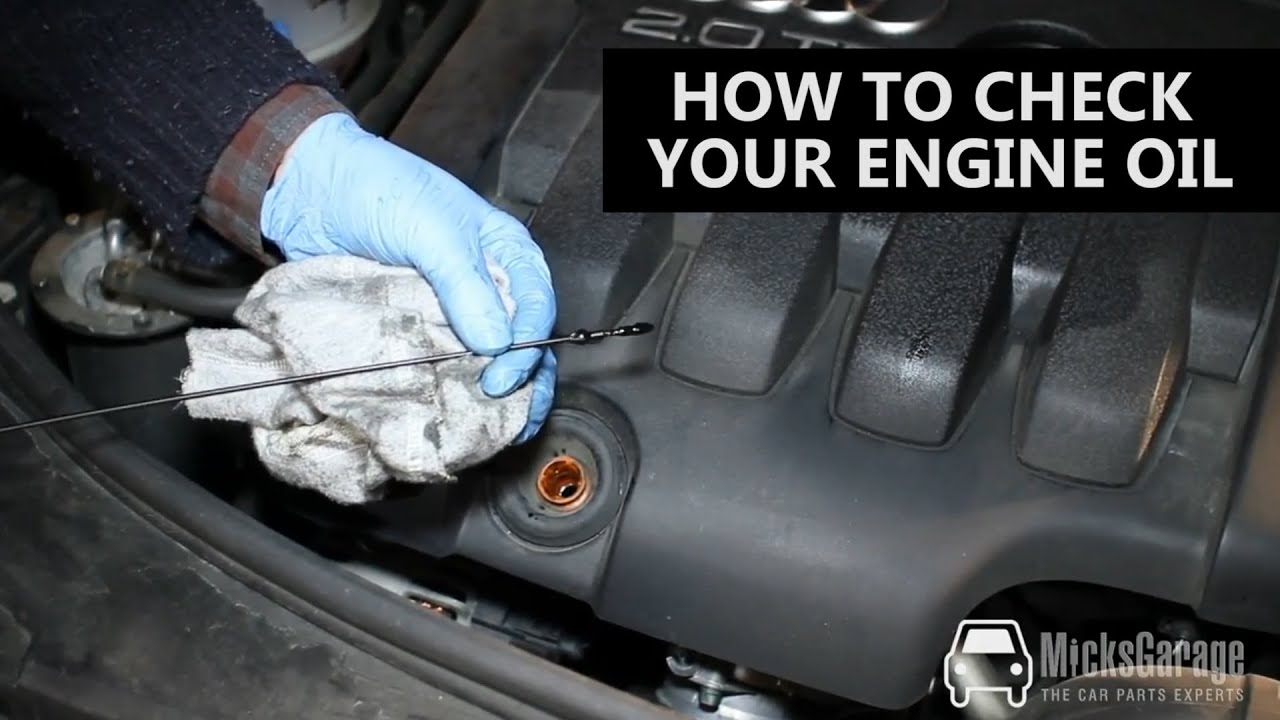
Remove and Clean the Dipstick
Pull the dipstick out carefully.
Use a clean cloth or paper towel to wipe off the oil completely. This first reading is often inaccurate because oil splashes during driving.
Reinsert the Dipstick Fully
Insert the dipstick back into its tube completely.
Wait a few seconds, then pull it out again slowly.
Now you can accurately read the oil level.
Check the Oil Level
Most dipsticks have indicators such as:
- MIN and MAX marks
- Crosshatched area
- Dots or lines
The oil should be:
- Between the minimum and maximum marks
- Preferably close to the maximum line
If the oil is below the minimum mark, your vehicle needs more oil immediately.
What Color Should Engine Oil Be?
Oil condition matters just as much as oil level.
Healthy Oil
- Amber or light brown
- Smooth consistency
Dirty Oil
- Dark brown or black
- Thick or gritty texture
Dirty oil may indicate it’s time for an oil change.
How Often Should You Check Engine Oil?
Experts recommend checking your oil:
- Once a month
- Before long road trips
- After dashboard warning lights appear
- In extreme weather conditions
Older vehicles may require more frequent checks because they consume oil faster.
Common Signs Your Car Has Low Engine Oil
Ignoring low oil levels can seriously damage your engine.
Here are warning signs to watch for:
Engine Warning Light
Modern vehicles have oil pressure warning systems. If the oil light appears on your dashboard, check the oil immediately.
Strange Engine Noises
Low oil reduces lubrication, causing:
- Knocking sounds
- Grinding noises
- Ticking sounds
Burning Smell
A burning oil smell may indicate oil leakage or overheating.
Poor Fuel Efficiency
Engines with insufficient lubrication work harder, reducing fuel economy.
Excess Exhaust Smoke
Blue or gray smoke may suggest oil burning inside the engine.
Choosing the Right Engine Oil
Not all engine oils are the same.
Your owner’s manual will recommend the correct:
- Oil viscosity
- Oil type
- Performance specification
Common Oil Types
Conventional Oil
- Affordable
- Suitable for older vehicles
Synthetic Oil
- Better performance
- Longer lifespan
- Improved engine protection
Synthetic Blend
- Mix of conventional and synthetic oils
- Balanced performance and cost
Using the wrong oil type can reduce engine efficiency and increase wear.
Tips for Maintaining Healthy Engine Oil
Proper maintenance keeps your engine running smoothly.
Change Oil on Time
Follow your manufacturer’s recommended oil change interval.
Most vehicles require oil changes every:
- 5,000–7,500 miles for conventional oil
- 7,500–15,000 miles for synthetic oil
Replace the Oil Filter
Always change the oil filter during oil service. A dirty filter reduces oil circulation.
Check for Leaks
Look underneath your car for oil spots or puddles.
Common leak areas include:
- Oil pan gasket
- Valve cover gasket
- Drain plug
Avoid Overfilling
Too much oil can also damage the engine by creating excess pressure and foam.
DIY Oil Check vs Professional Inspection
Checking oil yourself is quick and easy, but professional inspections provide additional benefits.
DIY Advantages
- Saves money
- Takes only minutes
- Helps detect issues early
Professional Service Benefits
- Full vehicle inspection
- Expert diagnosis
- Fluid top-offs
- Filter checks
A balanced approach works best: perform regular checks yourself and schedule professional maintenance as recommended.
Engine Oil Myths Drivers Still Believe
“I Only Need to Check Oil During Oil Changes”
False. Oil levels can drop between services.
“Dark Oil Means Bad Oil”
Not always. Some oils darken naturally while still functioning properly.
“Synthetic Oil Causes Leaks”
Modern synthetic oils are safe for most vehicles and often improve engine protection.
Why Regular Oil Checks Improve Vehicle Value
If you plan to sell or trade your vehicle in the future, maintenance history matters.
Regular oil maintenance can:
- Increase resale value
- Improve engine longevity
- Build buyer confidence
- Reduce repair history
Potential buyers often avoid poorly maintained vehicles.
Maintenance Tips for New Car Owners
If you recently purchased your first car, start with these habits:
- Check oil monthly
- Monitor tire pressure
- Follow service schedules
- Listen for unusual sounds
- Keep maintenance records
Simple habits prevent major repair costs later.
The Role of Dealership Service Centers
Professional dealerships provide manufacturer-approved maintenance services.
Benefits include:
- Certified technicians
- Genuine parts
- Warranty protection
- Advanced diagnostic tools
For expert vehicle maintenance, dealership news, and automotive insights, explore Mitsubishi Auto Store Official Website
How to Check Engine Oil Level in Car (Step-by-Step)
Checking engine oil is easier than many people think. You don’t need advanced tools or mechanical knowledge.
Follow these simple steps for an accurate oil reading.
Step 1 – Park on a Flat Surface
Always park your vehicle on level ground before checking the oil.
This is important because uneven surfaces can cause oil to shift inside the oil pan, resulting in inaccurate readings.
A sloped driveway or tilted parking spot may make the oil appear lower or higher than it actually is.
For best results:
- Turn off the engine
- Engage the parking brake
- Make sure the vehicle is stable
- Accurate readings help prevent both low oil and overfilling issues.
Step 2 – Turn Off the Engine and Wait
After turning off the engine, wait about 5–10 minutes before checking the oil.
Why?
Because oil continues circulating immediately after driving. Waiting allows the oil to settle back into the oil pan for a more accurate measurement.
Checking too soon may give a false low reading.
If the engine is extremely hot, be careful around engine components to avoid burns.
Step 3 – Locate the Dipstick
Open the hood and locate the engine oil dipstick.
The dipstick usually has a brightly colored handle, commonly:
- Yellow
- Orange
- Red
In most vehicles, it’s located near the engine block and easy to spot.
If you can’t find it, check your owner’s manual for the exact location.
Step 4 – Wipe and Reinsert the Dipstick
Pull the dipstick out completely.
You’ll notice oil on the stick immediately, but don’t read it yet.
Instead:
- Wipe the dipstick clean using a paper towel or cloth
- Insert it fully back into the tube
- Pull it out again slowly
This second reading provides the accurate oil level.
Many beginners skip this step and get incorrect results.
Step 5 – Read the Oil Level Correctly
Look closely at the bottom portion of the dipstick.
Most dipsticks have:
- Minimum mark
- Maximum mark
- Crosshatched safe zone
The oil level should fall between the minimum and maximum marks.
Ideally, it should sit near the top mark without exceeding it.
Minimum vs Maximum Marks
- Minimum mark: Oil is dangerously low if below this line
- Maximum mark: Avoid adding more oil if already at this level
Safe Oil Range
The safest oil level is within the recommended range shown on the dipstick.
If the level is low:
- Add oil gradually
- Recheck after adding
- Avoid overfilling
Too much oil can also damage the engine by creating pressure buildup and foam.
How to Tell If Your Engine Oil Needs Changing
Checking oil level is important, but oil condition matters too.
Even if the oil level looks fine, dirty oil can reduce engine performance and protection.
Oil Color Guide
Engine oil changes color over time as it collects dirt and contaminants.
Clean Oil
Healthy oil usually appears:
- Amber
- Light brown
- Smooth in texture
Fresh oil looks transparent and clean.
Dirty Oil
Old or contaminated oil may appear:
- Dark brown
- Black
- Thick or gritty
If the oil looks extremely dirty, it’s probably time for an oil change.
Warning Signs
Your car often gives warning signs before oil-related problems become serious.
Learning these signs can help you act early.
Burning Smell
A burning oil smell may indicate:
- Oil leaks
- Oil dripping onto hot engine parts
- Overheating oil
Never ignore unusual smells while driving.
Engine Noise
Low oil reduces lubrication, causing engine parts to create abnormal sounds such as:
- Knocking
- Grinding
- Ticking
These noises often signal immediate maintenance is needed.
Dashboard Oil Light
Modern vehicles include oil pressure warning lights.
If the oil warning light appears:
- Stop driving if possible
- Check oil levels immediately
- Add oil if necessary
Ignoring the warning light can cause severe engine damage.
Smoke from Exhaust
Blue or gray smoke coming from the exhaust may indicate oil burning inside the engine.
This issue often requires professional inspection.
Common Mistakes Drivers Make
Even simple oil checks can go wrong if done incorrectly.
Avoid these common mistakes to protect your vehicle.
Checking Oil on Uneven Ground
Tilted surfaces create inaccurate readings.
Always check oil on flat ground for reliable results.
Overfilling Oil
Many drivers assume “more oil is better,” but overfilling can harm the engine.
Too much oil may:
- Increase pressure
- Create foam
- Damage seals
- Reduce lubrication effectiveness
Add oil slowly and recheck levels frequently.
Ignoring Warning Lights
Dashboard warning lights exist for a reason.
Ignoring oil pressure warnings can quickly lead to catastrophic engine damage.
Never assume the light will “go away on its own.”
Using the Wrong Oil Type
Different engines require different oil viscosities and formulations.
Using incorrect oil can:
Reduce performance
Affect fuel efficiency
Increase wear
Always follow your manufacturer’s recommendations.
Pro Maintenance Tips for Longer Engine Life
Preventive maintenance is the key to keeping your car reliable and avoiding expensive repairs.
These simple habits can dramatically improve engine health.
Check Oil Monthly
Make oil checks part of your monthly routine.
It only takes a few minutes and helps detect problems early.
You should also check oil:
- Before long road trips
- During extreme weather
- After dashboard warnings appear
Change Oil on Schedule
Regular oil changes are essential.
Most vehicles require oil changes every:
- 5,000–7,500 miles for conventional oil
- 7,500–15,000 miles for synthetic oil
However, always follow your owner’s manual recommendations.
Replace Oil Filter Regularly
The oil filter removes contaminants from engine oil.
A dirty filter restricts oil flow and reduces engine protection.
Always replace the oil filter during oil changes.
Use Manufacturer-Recommended Oil
Car manufacturers carefully design engines around specific oil types.
Using recommended oil ensures:
- Proper lubrication
- Better fuel economy
- Improved performance
- Longer engine life
Check your owner’s manual or oil cap for the correct viscosity grade.
Why Preventive Maintenance Saves Money
Many drivers avoid maintenance to save money, but neglect usually becomes far more expensive later.
Routine oil checks help prevent:
- Engine replacement
- Overheating damage
- Reduced fuel efficiency
- Unexpected breakdowns
Spending a few dollars on maintenance today can save thousands tomorrow.
DIY Oil Checks vs Professional Service
Checking oil yourself is important, but professional inspections still have value.
Benefits of DIY Oil Checks
- Saves time
- Builds confidence
- Detects problems early
- Reduces unnecessary mechanic visits
Benefits of Professional Maintenance
Certified technicians can inspect:
- Oil leaks
- Engine wear
- Fluid levels
- Filters
- Belts and hoses
Combining DIY awareness with professional maintenance gives the best results.
Frequently Asked Questions (FAQs)
Can I check engine oil while the engine is hot?
Yes, but it’s better to wait 5–10 minutes after turning off the engine so the oil settles properly.
What happens if engine oil is too low?
Low oil can cause overheating, increased friction, and severe engine damage.
How do I know which oil my car needs?
Check your owner’s manual for the recommended oil viscosity and specifications.
Should I add oil if it’s slightly below the maximum line?
Yes, but avoid overfilling. Keep the level within the recommended range.
How long does engine oil last?
It depends on the oil type and driving conditions. Synthetic oil generally lasts longer than conventional oil.
Final Thoughts
Learning how to check engine oil level in car is one of the most valuable skills every driver should know. It’s simple, fast, and incredibly important for protecting your engine.Regular oil checks help improve performance, extend engine life, increase fuel efficiency, and prevent expensive repairs. how to check engine oil level in car Whether you drive daily, take long trips, or only use your car occasionally, staying consistent with oil maintenance keeps your vehicle reliable and safe. how to check engine oil level in car The best part is that you don’t need to be a mechanic to do it correctly. how to check engine oil level in carWith a few minutes, a clean cloth, and the right knowledge, you can confidently monitor your engine oil at home and catch potential problems before they become serious. how to check engine oil level in car Taking care of your engine today means fewer breakdowns, lower repair costs, and greater peace of mind every time you start your car.
Conclusion:
Regular engine oil checks are one of the simplest yet most important parts of car maintenance. Taking just a few minutes each month to inspect your oil level can help prevent serious engine damage, improve fuel efficiency, and extend the life of your vehicle. Low or dirty oil can lead to overheating, poor performance, and costly repairs that many drivers could easily avoid with routine checks. how to check engine oil level in car By learning how to properly check engine oil levels, understanding warning signs, and following recommended oil change schedules, you can keep your car running smoothly and safely. how to check engine oil level in car Preventive maintenance not only saves money in the long run but also gives you confidence every time you drive. A well-maintained engine means better performance, reliability, and peace of mind for every car owner.