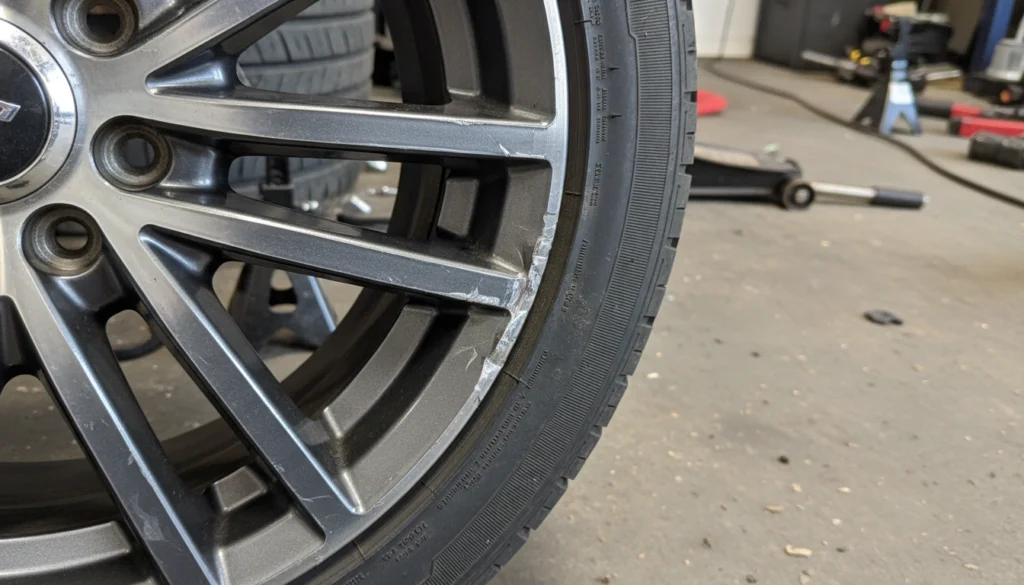
How to clean rims on a car starts with one idea: remove the grime without damaging the finish. Wheels collect brake dust, road film, and dulling grime every time you drive, and when that buildup hardens, it becomes harder and more time-consuming to clean. The goal is a simple at-home routine that restores shine and keeps corrosion at bay.
To clean car wheels effectively, rinse off loose dirt first, so the cleaner can work on the real residue. Next, apply a dedicated wheel cleaner and let it break down brake dust and grime. Use detailing brushes to scrub the wheel’s key areas: the barrels, the spokes, and around the lug nuts. For the tire sidewall, switch to a separate soft brush to avoid transferring harsh particles. Finally, rinse thoroughly and dry with a clean microfiber towel to prevent water spots.
Once you get the basics right, you’ll notice the difference immediately, no more chalky haze or gray dust rings. And if you’re tackling baked-on or baked-on messes, use a quality product such as Dawn that’s designed to cut through tough buildup. In the next sections, we’ll walk through step-by-step methods (including how to clean without scrubbing) to keep your alloy wheels looking fresh.
What You Need Before You Start
Before you start cleaning your rims, having the right tools makes a huge difference in how fast (and safely) you get results. First, grab a wheel cleaner or mild car shampoo. Wheel cleaners are usually stronger and are made specifically to break down brake dust and road grime, while mild shampoo works well for lighter dirt.
You’ll also need a bucket of water (or two buckets if you prefer). Water helps you rinse away loosened dirt so you’re not just smearing grime around. For drying and finishing, keep microfiber towels ready; these are gentle on alloy finishes and help prevent water spots.
For agitation, use a soft-bristle wheel brush for the wheel surfaces and a sponge or wash mitt for areas that need extra care. Gloves are important too, because brake dust and cleaners can be harsh on skin.
Optional, but useful: if you’re dealing with sticky residue like road tar, overspray, or stubborn spots, you can use WD-40. Apply it carefully on a cloth (not directly on hot wheels), let it loosen the residue, then follow up by washing the area with your wheel cleaner or mild shampoo. This way, you get the lift-off benefit without leaving anything oily behind.
How to Clean Rims at Home

Cleaning rims at home is easier than you think if you follow the right order. First, park the car in a shaded area. Direct sunlight can dry the cleaner too fast, which may reduce its effectiveness and make spotting more likely.
Next, let the wheels cool down. Hot wheels can make wheel cleaners evaporate quickly and can also increase the risk of damaging finishes. After that, start with a simple reset: rinse off loose dirt using a hose or bucket. This step removes dust and road film so you’re not grinding grime into the wheel surface.
Now it’s time for the cleaner. Spray the cleaner evenly across the wheel face, spokes, and barrel areas. Make sure you don’t miss the areas where brake dust collects, especially around the spokes and lug nuts. Let the product sit for the recommended time (don’t let it dry completely).
After the cleaner has had a moment to work, wipe or brush the surface carefully. Use a soft-bristle wheel brush for textured areas and stubborn spots. For smoother surfaces, a microfiber cloth or sponge can help. Take your time around the lug nuts and inner barrel areas.
Finally, rinse again thoroughly to remove all cleaner and loosened brake dust. Then dry with a microfiber towel. Drying prevents water spots and helps your wheels look clean, shiny, and “freshly detailed” without extra effort.
How to Clean Rims with Brake Dust
Brake dust is the fine, gritty residue that forms when your brake pads and rotors wear down and friction transfers particles onto the wheel. It usually sticks strongly because it’s a mix of metal particles and binders that can “bake on” to the rim as heat cycles repeatedly, so over time it turns from a light gray film into a stubborn, gritty layer that dulls your alloy finish.
To clean rims with brake dust effectively, the key is using a dedicated wheel cleaner formulated to break down brake-related grime. Start by loosening the surface dirt with a quick rinse, then spray the wheel cleaner evenly on the affected areas. Let it dwell just long enough to soften the brake dust (avoid letting it dry completely).
Next, focus your cleaning effort where brake dust collects the most:
- Spokes and inner faces (where particles get trapped)
- Edges and rim lips (where residue gathers and dries)
- Inner barrel and hard-to-reach areas (often the dirtiest part)
Use a soft-bristle wheel brush to agitate gently, especially on textured spokes and around lug nuts. Rinse thoroughly to see what’s left. If the buildup is heavy or older, don’t worry, repeat the cleaner + dwell + brush + rinse cycle once or twice until the wheel looks even and smooth. This prevents you from scrubbing too aggressively while still getting that deep clean.
How to Clean Rims Without Scrubbing
If you want to clean rims without scrubbing, the secret is letting the right product do the work. Start with a strong, dedicated wheel cleaner (or brake-dust-focused cleaner) instead of regular car shampoo. These formulas are designed to break down brake dust, road grime, and grime film so it releases from the wheel surface.
After you rinse the wheels to remove loose dirt, spray the wheel cleaner evenly across the rim, including the spokes, edges, and inner barrel areas. Then let the product sit for the recommended dwell time (as stated on the bottle). This waiting step is what makes “no-scrub cleaning” possible; it chemically loosens the buildup rather than relying on elbow grease.
Once the dwell time is done, rinse thoroughly with water pressure. Use steady water flow to wash away loosened grime and see the true surface finish. If you still notice light residue, wipe lightly with a microfiber cloth; don’t press hard or rub aggressively.
One important note: if you have heavy, baked-on buildup, the no-scrub method may not fully remove everything on the first try. In that case, use a very soft brush only on the stubborn areas (just a few gentle passes) while still keeping the overall process mostly scrub-free.
How to Clean Alloy Wheels at Home
Alloy wheels need a gentler approach than many people expect because their finishes (painted, clear-coated, or polished) can be sensitive to scratches and chemical damage. For that reason, avoid harsh abrasives and don’t use steel brushes; they can leave micro-scratches that dull the shine over time.
When choosing products, look for wheel cleaners that are non-acidic when possible, especially if your wheels have a clear coat. Acidic cleaners may be effective on grime, but they can increase the risk of etching or damaging certain finishes if used incorrectly.
After cleaning, dry properly. Use a microfiber towel to remove water from the spokes, crevices, and rim edges. This helps prevent water spots and reduces the chance of corrosion, so your alloy wheels stay clean, bright, and protected longer.
How to Clean Alloy Wheels with WD40

WD-40 can be useful for sticky grime, especially when you’re dealing with road tar spots, overspray residue, or other stubborn film that normal wheel cleaner struggles to lift. It works by loosening the bond between the residue and the wheel surface, making it easier to remove without aggressive scrubbing.
Important: Apply WD-40 to a cloth, not directly onto the wheel. Spray a small amount onto a microfiber cloth or paper towel first, then gently wipe the affected area. Let it sit for a minute if needed, then wipe again lightly until the sticky residue transfers to the cloth.
Once you’ve removed the tar or grime, wash the wheel properly afterward using a dedicated wheel cleaner or mild car shampoo. This step removes any oily residue left behind by WD-40, so your wheel looks clean, not greasy.
Caution: do not spray WD-40 near hot brakes or brake parts, and avoid getting it on brake rotors/pads. For safety, make sure everything is cool and keep the application controlled.
Best Products and Tools to Use
Using the right products makes rim cleaning faster and safer. For light dirt, start with clean water and car shampoo; this removes general road dust without needing strong chemicals.
For brake dust, choose a dedicated wheel cleaner (ideally one designed to break down brake residue). These cleaners are formulated to dissolve the gritty buildup that regular soap often can’t remove.
For stubborn spots, keep a microfiber towel for wiping and a soft-bristle wheel brush for gentle agitation in grooves, spokes, and textured areas. Avoid harsh abrasives that can scratch the finish.
Once your rims are clean, use a protective finish such as a wheel sealant or wax. This adds a barrier that helps future brake dust release more easily, so your next cleaning session takes less time and effort.
How to Keep Rims Clean Longer
To keep your rims looking fresh with less effort, focus on prevention and consistency. Wash your rims regularly, not just when they look dirty; this prevents brake dust and road grime from bonding tightly to the surface. After cleaning, apply a wheel sealant to create a protective barrier, making future buildup easier to rinse away.
A big time-saver is to clean brake dust before it builds up. Brake dust can become gritty and baked-on after repeated heat cycles, so tackling it sooner reduces the need for harsh scrubbing later.
Also, dry your rims after washing. Use a microfiber towel to remove water from spokes, edges, and the inner barrel. This helps prevent water spots and can reduce the risk of corrosion.
Finally, always use proper brake-safe wheel cleaners designed to lift brake residue without damaging finishes or brake components.
Conclusion
Keeping rims clean doesn’t have to mean heavy scrubbing. Use a dedicated wheel cleaner for brake dust, let it dwell, then rinse thoroughly and wipe lightly with microfiber when needed. For sticky tar, WD-40 applied to a cloth can loosen residue before you wash properly. Treat alloy wheels gently: avoid steel brushes, choose non-acidic cleaners when possible, and dry to prevent water spots. Regular washes, sealants, and brake-safe products will reduce buildup and keep your wheels looking sharp longer. With the right tools, cleaning stays effective, fast, and finish-friendly always.
What is the best thing to clean rims with?
For most people, the best option is a dedicated wheel cleaner made to break down brake dust and road grime. For light dirt, mild car shampoo can work. Either way, follow how to clean rims on a car: rinse, apply cleaner, agitate gently, then rinse again to avoid residue.
Is Dawn dish soap good for rims?
A: Dawn can work for light grease and general grime, but it’s not the same as a wheel-specific product for brake dust. If you use it, do it as part of how to clean rims on a car: dilute well, avoid harsh scrubbing on finishes, rinse thoroughly, and dry completely to reduce spotting and buildup.
How do you clean your rims on your car?
A: Start with cool wheels, then rinse. Spray a wheel cleaner for brake dust, let it dwell briefly, and gently scrub with a soft brush or microfiber. Rinse thoroughly, then wipe dry with a microfiber towel. This is the simplest how to clean rims on a car routine that protects finishes and minimizes corrosion risk.
Is WD-40 good for cleaning wheels?
WD-40 can help loosen sticky tar or overspray, but it’s not ideal as a primary wheel cleaner. If you’re wondering how to clean rims on a car, apply WD-40 to a cloth (not directly), wipe lightly, then wash with wheel cleaner afterward to remove oily residue. Keep it away from brake components.
How to make rims look new again?
To make rims look new again, use how to clean rims on a car in a deeper cycle: thorough clean, targeted degrease for brake dust, then polish for dullness. If needed, use a gentle iron remover for fallout, rinse, dry, and finish with wheel sealant or wax to prevent faster grime return.