Can a Bent Rim Be Fixed or Repaired. Bent rims are a common issue for vehicle owners, whether from hitting a curb, a pothole, or road debris. That’s why one of the most searched questions is: “Can a bent car rim be fixed?” In many cases, the answer is yes. Professional wheel repair shops can often straighten minor to moderate bends using specialized equipment (and in some cases, controlled heating and hydraulic methods), typically costing less than a full replacement. This kind of repair can restore safe wheel function when the rim’s structure isn’t compromised.
Bent rims can also become a safety concern if the damage is severe or structural. Cracks, deep creases, or deformation that affects the wheel’s integrity usually mean replacement is the safer, and sometimes the only, option. If you’re wondering about bent rim repair cost, how long it takes to fix a bent rim, or whether you should try a home fix versus going to a shop, this guide will help you understand what to check, what to expect, and how to make the smartest decision.
Can a Bent Car Rim Be Fixed?
Yes, Can a Bent Rim Be Fixed or Repaired. sometimes. The wheel can often be repaired if the damage is minor and the rim’s structure is still intact, but not if it’s cracked or bent too far out of specification.
Whether a bent rim can be fixed depends on:
- Bend severity: Small bends (light wobbles) are usually easier to correct than severe twists or dents.
- Cracks or structural damage: Any crack, deep crease, or metal fatigue means the wheel is not safe to straighten and typically must be replaced.
- Material (steel vs alloy): Steel wheels are often more forgiving for repair. Alloy wheels can be repaired, but the shop must check for heat/strength limitations and hidden damage.
- Damage location: A bend near the bead seat (tire mounting area) or braking-contact areas may be riskier and harder to restore safely.
- Tire condition: If the tire shows bulges, sidewall damage, or uneven wear, you may need to replace the tire even if the rim is repaired.
- Straightness after repair: A proper repair should restore acceptable runout (wheel wobble). If balance and straightness can’t be achieved, replacement is the better choice.
Is a Slightly Bent Rim Dangerous?
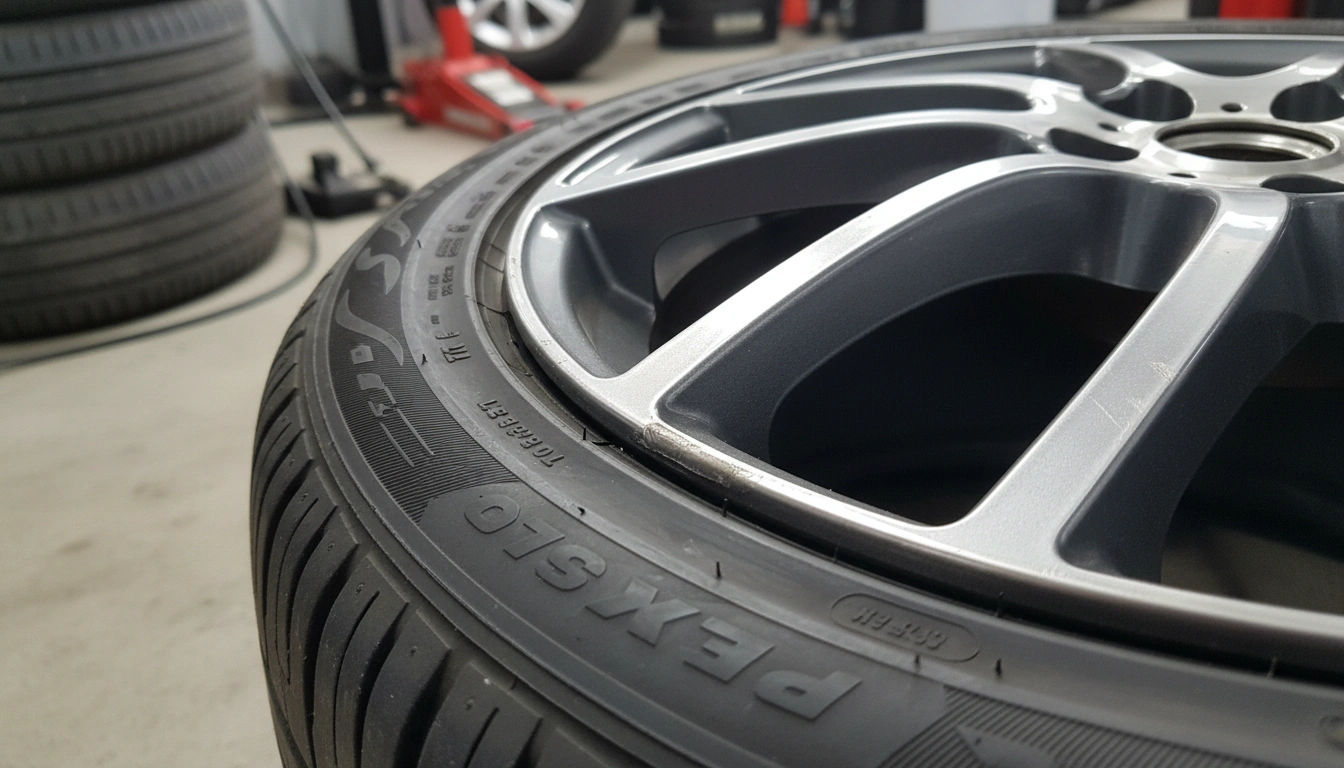
It can be, even if the bend looks small. A slightly bent rim may cause problems because the wheel is no longer perfectly round or straight.
Common risks include:
- Vibration at speed: You might feel shaking in the steering wheel or through the car, especially at higher driving speeds.
- Uneven tire wear: The tire may scrub or wear more on one side, which can shorten tire life quickly.
- Potential loss of balance: A bend can affect how the tire and wheel sit and spin together, making balancing harder and sometimes causing drifting or instability.
- Possible worsening over time: If you keep driving, the bend can get worse, especially if the wheel hits bumps frequently or you hit the curb again.
When it may still be “okay”:
- A minor lip bend or very small cosmetic wobble may be fixable and sometimes safe after inspection and proper balancing.
When it’s “not okay” (stop driving and replace/repair immediately):
- Cracks or any splitting in the rim
- Creases, deep dents, or structural deformation
- Sidewall deformation or tire bulges
- Any damage that makes balancing impossible or causes persistent vibration
Can You Fix a Bent Rim on a Car? Signs, Repairs & Safety Tips
A bent rim is a common problem that can happen after hitting a pothole, curb, or road debris. If you’ve noticed vibrations while driving, you may be dealing with a bent car wheel. Many drivers ask, can you fix a bent rim or can a bent rim be repaired? The good news is that minor to moderate damage can often be repaired by a professional wheel repair shop. However, severe bends, cracks, or structural damage may require a full wheel replacement.
How to Tell if a Rim Is Bent
Wondering how to tell if a rim is bent? Look for these common signs:
- Steering wheel vibration at higher speeds
- Uneven tire wear
- Air pressure loss
- Poor vehicle handling
- Visible wheel deformation
Even a slightly bent rim can affect your vehicle’s performance and safety if left untreated.
Can You Drive With a Bent Rim?
Many drivers ask, can you drive with a bent rim? While a small bend may allow short-distance driving, it is not recommended for extended use. A damaged bent-rim car can experience tire wear, balancing issues, and reduced control. In severe cases, the damage can worsen over time and create safety risks.
Can Bent Rims Be Fixed?
So, can bent rims be fixed? Yes, in many cases. Professional technicians use specialized equipment to straighten wheels and restore proper balance. Steel wheels are generally easier to repair than alloy wheels. However, if the rim has cracks or deep creases, replacement is usually the safest option.
If you’re asking can a bent rim be repaired, the answer depends on the severity of the damage. Have the wheel inspected as soon as possible to prevent further issues and keep your vehicle safe on the road.
What Causes Bent Rims?
Bent rims usually happen when a wheel takes a sudden, hard impact or repeated stress. The most common causes include:
- Road hazards (potholes and debris): Hitting a pothole fast or catching debris can push the wheel out of its true shape, especially if the tire absorbs less than usual.
- Hitting curbs: Parking lots, driveways, and street corners often lead people to bump or scrape a curb. Even a strong curb strike can bend the rim and slightly damage the tire bead area.
- Suspension and alignment issues: When your suspension is worn or your alignment is off, the wheels may strike bumps in a less controlled way. This doesn’t always “bend” a rim instantly, but it can make damage more likely to happen again and again.
- Off-road impacts: Gravel roads, uneven terrain, and rocks can hit the rim directly or twist the wheel under load.
- Towing-related stress: Towing adds weight and forces to the wheels. If the trailer or towing setup has issues (bad tire pressure, misalignment, uneven load), it can increase the chance of bending, particularly after hard braking or uneven road surfaces.
Bent Car Rim Repair Options
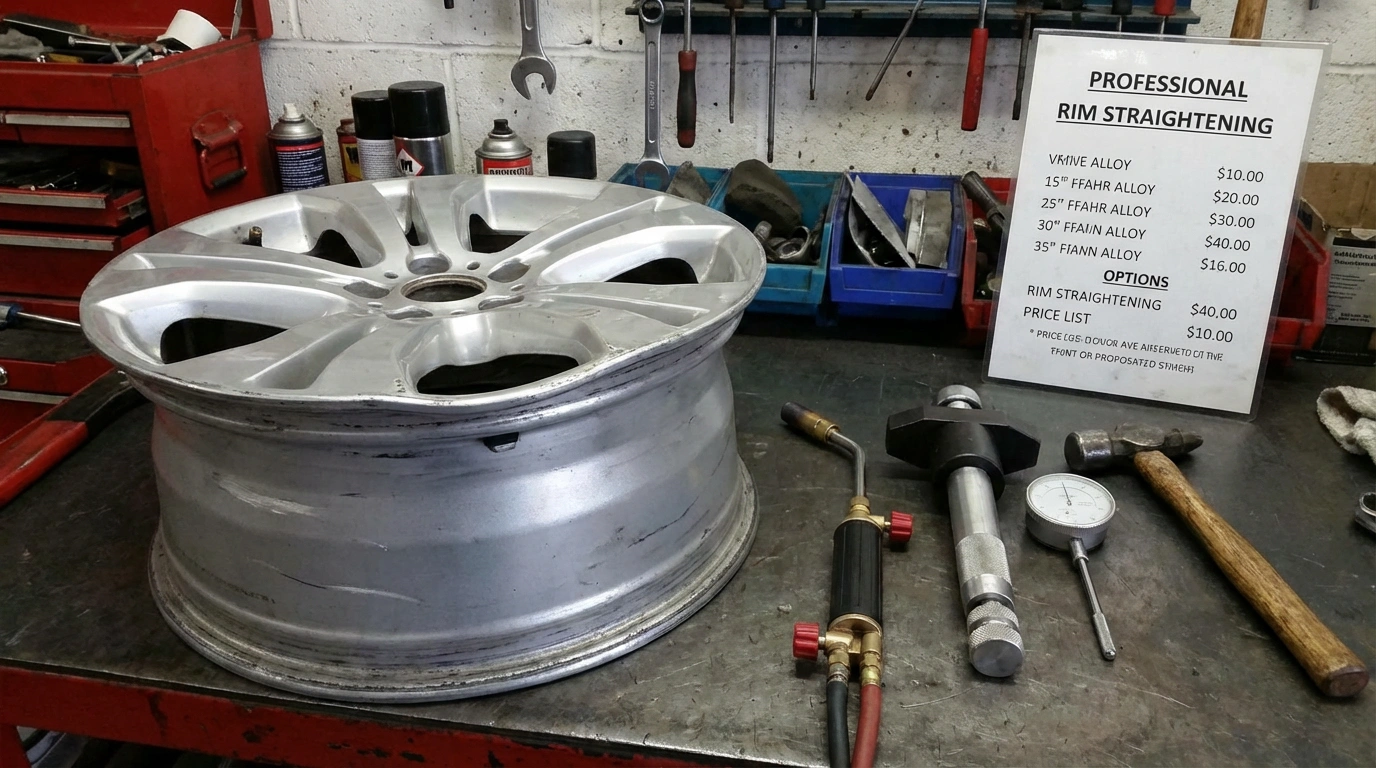
1. Professional Wheel Straightening / Repair
Professional shops usually start bent rim from hitting curb with a careful visual inspection and a spin test to spot wobble and measure how far the rim is out of true. They’ll also check for cracks, creases, and metal fatigue, because straightening can’t safely fix a rim with structural damage.
If the rim is repairable, the work may can bent rims be repaired include wheel straightening on specialized equipment to bring it back within safe tolerances. Depending on the rim type and the damage, a technician may also perform reconditioning of the rim face to restore proper seating for the tire. In some cases, resurfacing or welding might be used, but only when it’s appropriate and safe for the wheel material and damage level.
2. Wheel Replacement (When Repair Isn’t Worth It)
Replacement is usually the safer option if the wheel has cracks, severe bends, or structural deformation that goes beyond manufacturer specifications. Even if a rim can be “made to look straight,” it may still be weak or unsafe.
In many situations, deciding between repair and replacement comes down to a simple idea: cost is important, but safety matters more.
3. Tire & Balance Must Be Done After Repair
After any bent rim repair, you should always get the tire and wheel set up correctly. That means re-balancing, checking for possible alignment issues, and inspecting TPMS (if your vehicle has it) and proper tire mounting. This helps prevent vibration and uneven tire wear.
Bent Rim Repair Cost
Bent rim repair cost in the USA typically depends on how bad the damage is and what the shop has to do. Since no two rims are the same, pricing is best understood as ranges, not fixed guarantees.
1. Cost categories (common ranges)
- Minor straightening: If the rim has a light bend and no structural damage, repair is usually the cheaper option.
- More complex repair (welding/resurfacing): If the shop needs extra work to restore strength/finish or rework the rim face, the price goes higher.
- Replacement cost comparison: A new wheel (especially alloy) can cost more than repair, but it may be the safer choice for cracks or severe deformation.
2. Added costs to expect
- Balancing (often required after any wheel repair)
- Tire mounting/dismounting
- Alignment check or alignment service if suspension/alignment issues may have contributed
- TPMS inspection (only if your shop recommends or if sensors are disturbed)
3. What affects the price
- Wheel size (larger rims often cost more)
- Material: alloy vs steel
- Severity of the bend
- Damage location (some areas are harder to restore safely)
- Shop rates/location, and whether parts or specialized equipment are needed
How Long Does It Take to Fix a Bent Rim?
How long does it take to fix a bent rim? Usually it’s a same-day to a few-day process, depending on damage and the shop’s schedule.
1. Typical timeline breakdown
- Inspection/assessment: Often same day or within 1 day. The shop checks wobble, measures runout, and looks for cracks/creases.
- Repair time at the shop: Commonly a few hours for minor straightening, but can take up to a couple of days if the job is more complex (reconditioning, welding/resurfacing, or multiple passes on specialized equipment).
- Waiting time/queue: This is often the biggest variable. If the shop is booked, you may need to wait several days before work starts.
- Retesting + balancing: Usually done the same day after repair or the next day, depending on shop workflow and whether additional checks are required.
2. Why time can differ
- Severity evaluation results: If the rim turns out to have hidden structural issues, repair might be slower, or a replacement may be recommended.
- Parts availability/shipping: Some repairs require replacement components (like specific tire/sensor-related parts) or special wheel-related supplies, which can add extra days if shipping is needed.
How to Fix a Bent Rim: Car vs Bike
1. How to Fix a Bent Rim (Bike)
Bike rims bend mainly from falls, curb hits, or hard impacts. The safer approach is usually small alignment tweaks, because bike wheels are designed to be trued using spoke tension.
Typical “bike” tools/steps include using a truing stand (or a simple method with a brake caliper/other reference) to spot the wobble, then checking spoke tension and adjusting evenly. If you see cracks, sharp creases, or severe damage, don’t try to “pull it straight.” Replace the rim (and often inspect the hub/spokes too).
2. How to Fix a Bent Rim at Home (car), Practical Expectations
Car rim repair at home is very limited. At-home fixes should stay in the realm of minor, cosmetic bends, because serious bends can affect structural strength and tire sealing.
What you can do at home:
- Inspect the rim carefully (look for cracks, deep dents/creases, and bent rim flanges).
- Check for wobble/runout if you know how, or look for obvious vibration signs while rolling/at low speed.
- Decide honestly between a DIY attempt vs professional repair/replacement.
How to Fix a Bent Rim With a Hammer (Important Safety Section)
1. How to Fix a Bent Rim With a Hammer
Hammer straightening is not recommended for car alloy wheels. Even when the wheel looks “almost straight,” a hammer can introduce micro-cracks, thin or deform the rim at stress points, and make the wheel less true, leading to vibration and potential tire wear.
If you’re considering any hammer approach (ideally only as an emergency for a very minor, non-structural cosmetic bend), keep it conditional and safety-first:
- Only if there’s no visible cracking/creasing and the wheel is clearly not structurally deformed
- Stop immediately if you feel resistance that suggests you’re forcing the metal beyond what it should take
- Understand that professional straightening equipment is designed to correct runout without damaging integrity
Risks to know: hammering can weaken the rim, worsen balance, or create hidden damage that won’t show until later, sometimes at highway speed.
2. Better alternative
Use a proper wheel- traightening process (shop service) or, for bikes, use the correct truing method with a truing stand and spoke tension checks.
3. Stop and replace triggers
Get the wheel replaced (or professionally assessed) if you see any of these:
- Any visible crack
- A deep crease / sharp bend
- Persistent vibration even after you attempted correction
- Ongoing tire bead or sealing issues (if the tire can’t seat properly)
What to Do Immediately After You Notice a Bend
If you notice a bent rim and especially if you feel wobble or vibration, treat it as a safety issue; don’t ignore it. The sooner you inspect it, the better you can prevent tire damage or worsening the wheel.
1. Immediate Steps
- Reduce speed and avoid high-speed driving. If vibration is present, drive cautiously and don’t take highways until you’ve had it checked.
- Inspect the rim visually. Look for:
- Cracks (especially near spoke holes or welds, depending on wheel type)
- Deep dents or creases
- Rim lip deformation where the tire bead seats
- Check the tire condition too. A bent rim can damage the tire even if the rim looks “close enough.” Watch for:
- Bulges
- Sidewall cuts or abrasions
- Any unusual wear or trouble sealing at the bead
- Get it inspected for safety at a tire/wheel shop or by a qualified technician. They can check runout, wheel integrity, and whether repair is safe or replacement is needed.
2. If it Gets Repaired
Make sure you complete the balance work and ask about a follow- up alignment check (alignment may be affected if the bend came from an impact or suspension issue). This helps reduce vibration and uneven tire wear.
Conclusion
Can a Bent Rim Be Fixed or Repaired. To sum up, a bent rim isn’t just cosmetic, wobble and vibrations can threaten tire sealing, balance, and safety. For cars, repairs may involve straightening, resurfacing, or welding, but pricing and turnaround vary by wheel size, alloy/steel, and severity; often, replacement is safer for cracks or deep creases. Hammer straightening is not recommended.
If you’re asking, can a bent car rim be fixed? The answer is sometimes with proper inspection, professional tools, retesting, balancing, and an alignment check. Drive cautiously until checked, then repair or replace, especially if it came from an impact.
Is it worth repairing a bent rim?
Yes, sometimes, can a bent car rim be fixed? If the bend is minor, there are no cracks, and the tire still seats correctly with proper balance after repair. It’s usually not worth it if the rim has a deep crease, visible cracking, or causes persistent vibration, because replacement is safer and more reliable.
How much does it usually cost to fix a bent rim?
It typically ranges from 50 to 300+. The final price depends on wheel size, alloy/steel type, damage severity, and whether straightening only is enough or if welding/resurfacing is needed. If there are cracks or the wheel is badly damaged, replacing it is often recommended for the “can a bent car rim be fixed?” question.
Can a tire shop unbend a rim?
Yes, can a bent car rim be fixed? Some tire shops can unbend a rim, especially when the damage is minor, and the wheel has no cracks. If needed, they may send it to a specialist for proper straightening, runout testing, and safety checks. However, with cracking or a deep crease, many shops won’t repair it.
Is it possible to straighten out a bent rim?
Yes, can a bent car rim be fixed? In many cases, it can be straightened, especially if the wheel isn’t cracked and the bend isn’t too severe. A proper repair usually includes professional straightening, measuring wheel “runout” to make sure it’s safe, and then rebalancing the tire. If there’s cracking or major damage, replacement is typically the safer option.
Can I drive if my rim is slightly bent?
It depends on how slightly the rim is bent and whether the tire is still seating safely. If you’re asking, can a bent car rim be fixed enough to drive, the safest sign is that there’s no wobble, vibration, air loss, or brake problems, then you can usually drive slowly and carefully to a shop soon. But if you feel shaking, the car is pulling, or you see cracks, don’t drive; get it checked immediately.
How long does it usually take to fix a bent rim?
It usually answers can a bent car rim be fixed within about 1–3 hours for minor straightening at a tire/wheel shop. If the rim needs more advanced repair (like welding or resurfacing) or must be sent to a specialist, it can take a few days. The exact timing depends on the rim type and whether any parts or replacements are needed.