Have you ever heard someone at a dealership or in a mechanic’s shop use the terms “motor” and “engine” interchangeably? If you’ve wondered whether there’s a real difference or if they mean the same thing, you’re asking one of the most common questions in the automotive industry. Understanding what is the difference between a motor and an engine might seem like a minor detail, but it actually reveals important distinctions that affect how you read car reviews, understand maintenance guides, and communicate with mechanics and dealership professionals.
Whether you’re a potential car buyer researching your next vehicle, a current owner planning maintenance, or a local driver wanting to understand your vehicle better, grasping this terminology will enhance your automotive knowledge and help you make more informed decisions. In this comprehensive guide, we’ll clarify the distinction between motors and engines, explain why this matters for vehicle ownership, and show you how these terms apply to real-world car reviews, maintenance, and dealership interactions.
The Basic Difference: Motor vs Engine Explained
What Exactly is an Engine?
An engine is a mechanical device designed to convert fuel (gasoline, diesel, electricity) into mechanical energy that powers movement. In automotive terms, anengine is the complete system that includes:
- The combustion chamber where fuel burns
- Pistons that move up and down
- Cylinders housing the pistons
- Crankshaft that converts linear motion to rotational motion
- Valves controlling air and fuel flow
- Spark plugs (in gasoline engines)
- All supporting systems like cooling, lubrication, and ignition
When professionals speak about a vehicle’s engine, they’re referring to this complete internal combustion system. Car reviews frequently mention “engine displacement,” “engine power,” or “engine reliability” because the engine is the fundamental power-generating component of any traditional vehicle.
What Exactly is a Motor?
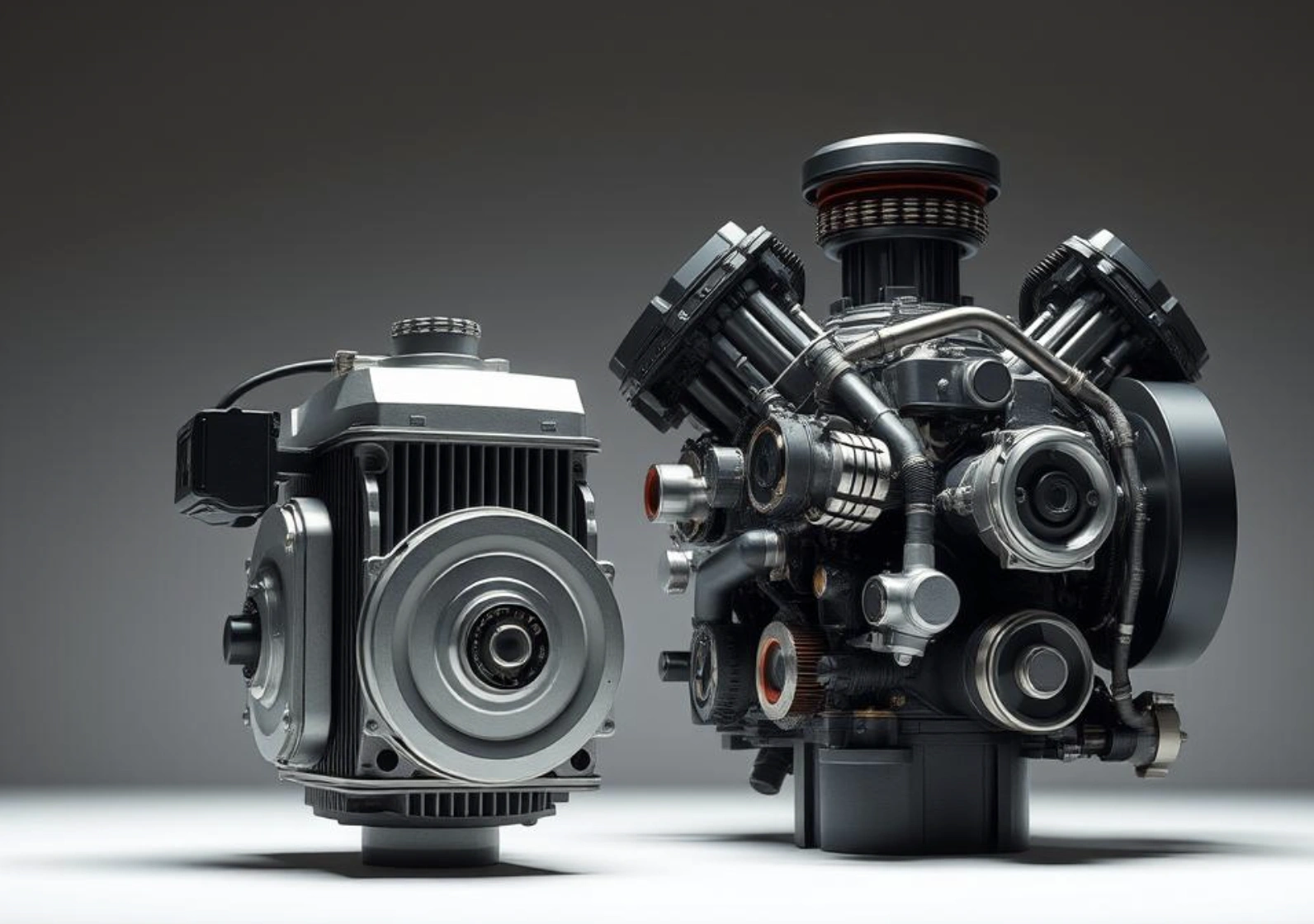
A motor is a more general term describing any device that converts energy (electrical, hydraulic, or mechanical) into motion. Motors are simpler than engines and don’t necessarily involve combustion. The key distinction is that motors use energy sources other than fuel combustion.
Common motor types include:
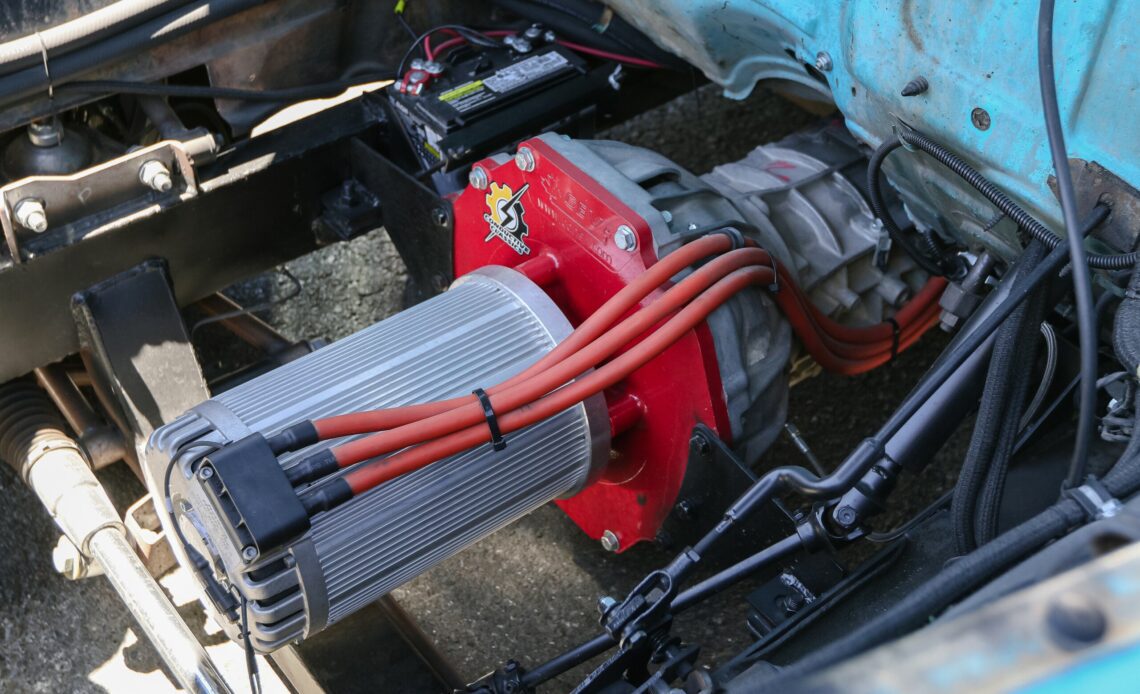
- Electric motors: Convert electrical energy into motion (found in electric vehicles and hybrid systems)
- Hydraulic motors: Use pressurized fluid to create movement
- Starter motors: Small electric motors that crank engines to start them
The Key Distinction
The fundamental difference can be summarized as:
- Engine: Converts fuel combustion into mechanical energy
- Motor: Converts any energy source (electrical, hydraulic) into mechanical motion
Technically, all engines are motors (they produce motion), but not all motors are engines (they don’t necessarily use combustion). This is why you’ll see “motor” used as the broader category and “engine” as a specific type of motor.
Why This Distinction Matters in Car Reviews
How Automotive Reviewers Use These Terms
Professional automotive reviewers carefully use these terms when describing vehicles. When you read car reviews from trusted sources, understanding what is the difference between a motor and an engine helps you interpret their descriptions more accurately.
When reviewers say “engine”:
- They’re discussing fuel consumption and performance characteristics
- They’re analyzing horsepower, torque, and acceleration metrics
- They’re evaluating fuel economy and emissions
- They’re assessing reliability and durability of the combustion system
When reviewers mention “motor”:
- They often reference electric motors in hybrid or electric vehicles
- They’re discussing the starter motor’s performance
- They’re analyzing combined engine-and-motor efficiency in hybrids
- They’re evaluating electric-only driving range in plug-in hybrids
Electric Vehicles and Hybrid Terminology
Modern car reviews frequently discuss electric vehicles and hybrids, making this terminology distinction increasingly important. A hybrid vehicle contains both an engine and a motor working together:
- The engine: Burns gasoline to produce power during highway driving and acceleration
- The motor: Uses electricity from the battery for low-speed driving and regenerative braking
When a reviewer states that a hybrid vehicle has “a 2.5-liter engine and electric motor,” they’re clearly distinguishing between the two power sources. Understanding this distinction helps you comprehend how hybrid vehicles optimize efficiency.
Example from dealership reviews: “The 2024 Mitsubishi plug-in hybrid features a 2.0-liter engine combined with a dual electric motor system, providing 100+ miles of electric-only range.” This statement uses both terms precisely to describe different components.
Impact on Vehicle Maintenance and Service
Understanding Maintenance Terminology
When mechanics and maintenance guides refer to “engine maintenance,” they specifically mean servicing the combustion-based power system. When they mention “motor maintenance,” they could mean:
- Servicing the electric starter motor
- Maintaining electric motors in hybrid systems
- Servicing other non-combustion motors in your vehicle
This distinction becomes critical when planning your maintenance schedule and understanding service invoices from your dealership.
Engine-Specific Maintenance Services
These services apply specifically to combustion engines:
- Oil changes: Essential for lubricating engine components
- Spark plug replacement: Required for gasoline engines only
- Fuel filter service: Maintains fuel system cleanliness
- Timing belt replacement: Critical for engine synchronization
- Engine compression testing: Diagnoses engine health
- Cylinder head gasket replacement: Prevents internal leaks
Motor-Specific Maintenance Services
If your vehicle has an electric motor (hybrid or electric vehicle):
- Electric motor brushes replacement: Maintains electrical efficiency
- Battery conditioning: Optimizes electric motor fuel source
- Cooling system maintenance: Electric motors require thermal management
- Regenerative brake system service: Maintains motor-based braking
Understanding this distinction prevents confusion when reviewing maintenance quotes from your dealership. A service advisor mentioning “electric motor maintenance” on your hybrid vehicle is referring to different systems than “engine maintenance.”
Dealership Terminology and Communication
What Your Dealership Uses This Terminology For
Professional dealerships like Mitsubishi Auto Store use precise terminology when discussing vehicles for several reasons:
Parts inventory organization: Dealerships separate engine components from motor components in their parts systems. Understanding this distinction helps you understand why certain parts are classified differently.
Service department efficiency: When service advisors describe your vehicle’s systems, using “motor” versus “engine” helps them quickly identify which system needs service.
Warranty coverage clarity: Vehicle warranties often specify what’s covered on the engine versus what’s covered on motors. This distinction determines warranty claim approval.
Accurate diagnostics: When a mechanic tells you there’s an “engine problem” versus a “motor problem,” they’re directing you to different repair areas and cost ranges.
Asking the Right Questions at Your Dealership
When visiting your local dealership for service or purchases, ask clarifying questions:
- “Is this repair related to my engine or a motor component?”
- “What does this cover—is it engine maintenance or electric motor service?”
- “Does my warranty cover this engine or motor issue?”
- “How much does engine repair typically cost versus motor-related repairs?”
Understanding the terminology empowers you to have more meaningful conversations with dealership professionals and avoid miscommunications about repairs and maintenance.
Real-World Examples: How This Matters in Practice
Example 1: Reading a Car Review
Scenario: You’re reading a review of a new hybrid vehicle and see: “This vehicle features a 2.0-liter four-cylinder engine paired with a 120-kilowatt electric motor, delivering combined 200 horsepower.”
Understanding what is the difference between a motor and an engine allows you to comprehend that:
- The 2.0-liter refers to the combustion engine’s displacement
- The electric motor provides additional power without using fuel
- The 200 combined horsepower reflects both systems working together
- This configuration offers fuel efficiency (electric motor) with acceleration power (engine)
Example 2: Understanding a Service Invoice
Scenario: Your dealership provides a service invoice listing:
- Engine oil and filter service: $65
- Electric motor brush replacement: $150
- Transmission fluid service: $120
By understanding the terminology, you recognize:
- Oil service maintains your combustion engine
- Motor brush replacement maintains your hybrid electric motor
- These are different systems requiring different maintenance
- The invoice is comprehensive, addressing both power systems in your hybrid vehicle
Example 3: Purchasing a Used Vehicle
Scenario: You’re looking at a used car advertisement: “Engine rebuilt, original motor intact, 120,000 miles.”
Understanding the distinction reveals:
- The combustion engine has been rebuilt (major work done)
- The starter motor (smaller electric motor) is original
- This information affects pricing and reliability perception
- You can ask more specific questions about when the engine rebuild occurred
Types of Engines vs Motors in Modern Vehicles
Common engine motor Types
Gasoline Engines (Internal Combustion): Use spark plugs to ignite gasoline, creating controlled explosions that power pistons.
Diesel Engines (Internal Combustion): Use compression ignition without spark plugs, offering higher torque and better fuel economy.
Hybrid Combustion Engines: Optimized gasoline or diesel engines paired with electric motors for efficiency.
Electric Motors (AC/DC): Found in electric vehicles and hybrid systems, powered by rechargeable batteries.
Starter Motors: Small electric motors that crank your engine to start it.
Power Steering Motors: Electric motors replacing mechanical power steering systems.
Key Takeaways for Vehicle Owners
Practical Knowledge You Should Have
- Engines use fuel combustion to create power; motors use other energy sources like electricity
- Modern vehicles may contain both engines and motors working together
- Dealership service terminology reflects this distinction for accuracy
- Car reviews use these terms precisely to describe different systems
- Maintenance needs differ between engine and motor components
- Understanding this terminology improves communication with mechanics and dealership staff
Conclusion
Now that you understand what is the difference between a motor and an engine, you’re better equipped to navigate car reviews, maintain your vehicle effectively, and communicate confidently with dealership professionals. While these terms are often used casually and interchangeably in everyday conversation, understanding the technical distinction provides valuable context for making automotive decisions.
Whether you’re researching your next vehicle, planning maintenance, or simply wanting to understand your current car better, this knowledge empowers you to make informed choices and avoid miscommunications with automotive professionals.
Your Next Steps
Visit Mitsubishi Auto Store at mitsubishiautostore to explore vehicles that match your needs. Ask our knowledgeable sales and service teams about engine and motor systems. Request detailed service information for your specific vehicle. Join our owner community to continue learning about automotive maintenance and technology.
Contact your local Mitsubishi dealership today for expert guidance on your next vehicle purchase or maintenance needs. Our professional team is ready to answer all your automotive questions and provide comprehensive service.
What is the difference between a motor and an engine in a car?
Answer: The primary difference is the energy source. An engine converts fuel combustion into mechanical power through controlled explosions. A motor converts other energy sources (typically electricity) into mechanical motion. In traditional vehicles, you have an engine. In electric or hybrid vehicles, you have both a motor (electric) and possibly an engine (fuel-based). Both produce motion, but they achieve it through different mechanisms.
Do I need different maintenance for engines versus motors?
Answer:Yes, maintenance differs significantly. Understanding what is the difference between a motor and an engine is important because each system requires a different maintenance approach. Engine maintenance includes oil changes, spark plug replacement, and fuel system service.
Motor maintenance, if your vehicle has an electric motor, involves battery care, electric system checks, and cooling system maintenance for the motor. Knowing what is the difference between a motor and an engine helps vehicle owners understand why these maintenance schedules vary.
Hybrid vehicle owners need to maintain both systems, making what is the difference between a motor and an engine an especially relevant topic for long-term ownership. By understanding what is the difference between a motor and an engine, you can better prepare for service costs and maintenance requirements.
Your dealership service team can provide a comprehensive maintenance schedule for your specific vehicle type and explain what is the difference between a motor and an engine in relation to your vehicle’s powertrain system.
Will understanding motor vs engine terminology affect my vehicle purchase decision?
Answer:It can help significantly. When researching vehicles, understanding what is the difference between a motor and an engine helps you evaluate performance claims more accurately. If you’re considering a hybrid or electric vehicle, knowing what is the difference between a motor and an engine helps you assess electric range, battery performance, and combined efficiency.
Understanding what is the difference between a motor and an engine also allows you to interpret technical specifications and manufacturer claims with greater confidence. This knowledge enables you to ask better questions at dealerships and make smarter comparisons between different vehicle types.
For many buyers, learning what is the difference between a motor and an engine can simplify the decision-making process when choosing between gasoline, hybrid, and electric vehicles. Ultimately, understanding what is the difference between a motor and an engine gives you the knowledge needed to make a more informed purchasing decision.
How does this terminology apply to hybrid vehicles?
Answer:Hybrid vehicles contain both an engine and an electric motor. Understanding what is the difference between a motor and an engine is essential when learning how hybrid systems operate. The engine handles highway driving and heavy acceleration, while the motor assists during low-speed driving and provides regenerative braking.
When reading reviews of hybrids, what is the difference between a motor and an engine becomes an important question for buyers and enthusiasts alike. A review mentioning “a 2.5-liter engine and dual electric motors” describes two separate power systems working together, not a single system. Knowing what is the difference between a motor and an engine helps you interpret these specifications correctly.
For consumers comparing hybrid models, understanding what is the difference between a motor and an engine makes fuel economy figures easier to understand. Many efficiency claims rely on the cooperation between both systems. Learning what is the difference between a motor and an engine also helps you evaluate performance characteristics and maintenance requirements.
Ultimately, understanding what is the difference between a motor and an engine helps you comprehend fuel economy claims and advanced efficiency features in modern hybrid vehicles. This is why what is the difference between a motor and an engine remains one of the most important concepts for hybrid vehicle buyers.
Should I ask my dealership specifically about engine versus motor service?
Answer:Absolutely. Using precise terminology with your dealership service team ensures accurate communication. Instead of asking “What’s wrong with my vehicle?” you can ask, “what is the difference between a motor and an engine?” This clarity helps mechanics provide accurate estimates and prevents confusion about repair scope and costs.
Understanding what is the difference between a motor and an engine can help vehicle owners communicate more effectively with service professionals. When discussing repairs, asking what is the difference between a motor and an engine ensures everyone is referring to the correct component. Knowing what is the difference between a motor and an engine can also prevent misunderstandings regarding repair costs and maintenance requirements. Many customers researching what is the difference between a motor and an engine find that dealership professionals appreciate the use of proper automotive terminology.