When shopping for your next vehicle, have you ever noticed those mysterious specifications like “2.5L,” “3.0L,” or “5.7L” on dealership stickers and review websites? If you’ve wondered what does liter mean in engine specifications, what does 5.7 liter mean,you’re not alone—this is one of the most commonly asked questions by both first-time car buyers and experienced drivers.
Understanding engine displacement (measured in liters) is crucial for making informed decisions about vehicle performance, fuel economy, maintenance costs, and overall driving experience. Whether you’re browsing through online car reviews, preparing for routine maintenance, or visiting a local dealership, knowing how to interpret this critical specification can save you thousands of dollars and help you choose the perfect vehicle for your needs.
In this comprehensive guide, we’ll demystify engine liters, explain their significance in automotive reviews and maintenance, and show you how to use this knowledge when shopping at dealerships or evaluating your current vehicle’s needs.
What Does Liter Mean in Engine? The Basics Explained
Understanding Engine Displacement
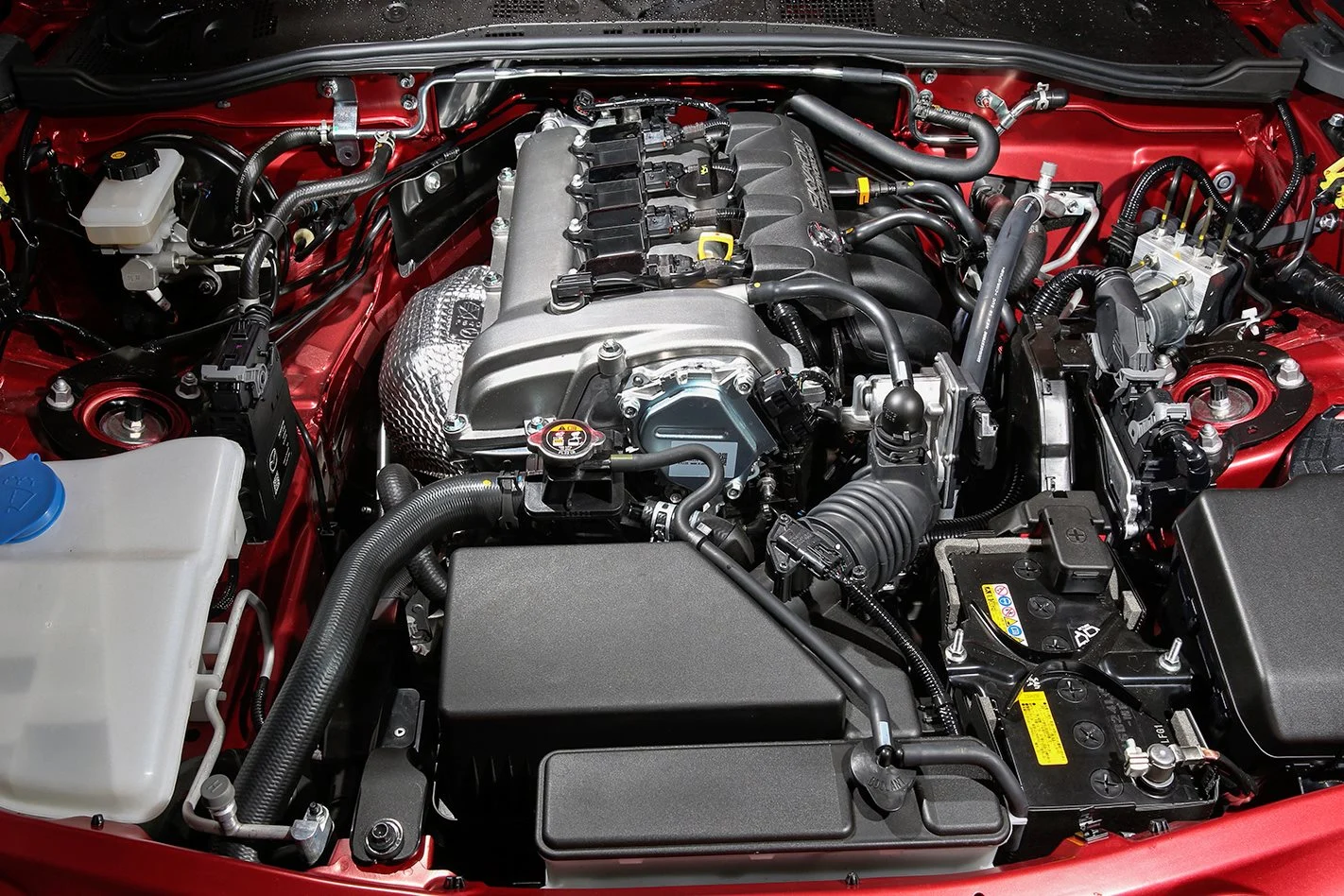
Engine displacement, commonly expressed in liters (L), liter engine,refers to the total volume of all the cylinders in an engine combined. Think of it as the total “breathing capacity” of your engine—how much air-fuel mixture can flow through all cylinders during one complete engine cycle.
The term “liter” is a unit of volume measurement in the metric system. One liter equals 1,000 cubic centimeters (cc). When you see a car described as having a “2.0L engine,” this means the total displacement capacity of all cylinders combined is 2,000 cubic centimeters.
How It’s Calculated:
Engine displacement is calculated using this formula:
Displacement (cc) = Bore × Stroke × π ÷ 4 × Number of Cylinders
- Bore: The diameter of each cylinder
- Stroke: The distance the piston travels inside the cylinder
- Number of Cylinders: Total cylinders in the engine (typically 3, 4, 6, 8, or 10)
Examples of Common Engine Sizes
Different vehicles feature various engine displacements designed for their intended purpose:
- 1.4L – 1.8L: Economy cars, hybrid vehicles, compact sedans
- 2.0L – 2.5L: Mid-size sedans, compact crossovers, mainstream vehicles
- 3.0L – 3.5L: Full-size sedans, larger SUVs, performance vehicles
- 4.0L – 5.0L: High-performance cars, large trucks, SUVs
- 5.7L and above: Luxury performance vehicles, heavy-duty trucks
Ever looked at a car spec sheet and wondered what does liter mean in engine terms? You’re not alone. Most buyers see “2.0L” or “5.7L” and just nod along — but understanding this one number can completely change how you shop for a car.
So, What Does Engine Liter Mean?
In simple terms, engine litre refer to displacement — the total volume of air and fuel all cylinders can push through in one cycle. The bigger the number, the more air and fuel the engine moves, and generally, the more power it produces.
What Are Liters in an Engine, Exactly?
Think of each cylinder as a small pump. When you add up all the space inside every cylinder, that total volume is measured in liters. A 2,4 liter engine has cylinders that together displace 2.4 liters of volume per cycle. More displacement typically means more torque and power — but also more fuel consumption.
What Does 5.7 Liter Mean?
A 5.7 liter engine — like the iconic Hemi V8 — displaces 5.7 liters total. That’s a big engine built for serious power, commonly found in trucks and muscle cars.
What Do Liters Mean in Engines for Everyday Drivers?
- 1.0L – 1.6L → Fuel-efficient, city driving
- 1.8L – 2.4L → Balanced performance and economy
- 3.0L – 5.7L+ → High power, towing, performance
Understanding liter engines helps you match the right car to your lifestyle — whether you want efficiency or raw power. Now you’ll never second-guess that spec sheet again.
Why Engine Liters Matter: Impact on Performance and Efficiency
Power and Performance
The relationship between what does liter mean in engine specifications and actual performance is fundamental to automotive reviews and purchasing decisions.
Larger displacement engines typically produce:
- More horsepower: A 5.0L V8 will generally produce significantly more power than a 2.0L four-cylinder
- Greater torque: The rotational force available for acceleration and towing
- Better towing capacity: Crucial for truck owners
- Faster acceleration: Notice the difference in 0-60 times between small and large engines
However, the relationship isn’t always linear. Modern turbocharging and supercharging technologies allow smaller engines to produce power comparable to larger naturally-aspirated engines.
Fuel Economy and Emissions
Engine displacement directly impacts fuel consumption:
- Smaller engines (1.5L – 2.0L): Better fuel economy, lower emissions, reduced operating costs
- Larger engines (4.0L+): Higher fuel consumption, more emissions, greater fuel expenses
This is why EPA fuel economy ratings often show better miles-per-gallon (MPG) figures for vehicles with smaller displacement engines.
Real-World Example:
A 2.0L compact sedan might achieve 28-35 MPG highway, while a 5.0L SUV might only achieve 18-24 MPG—a significant difference in annual fuel costs for drivers.
Engine Liters in Car Reviews: What Automotive Experts Look At
How Professional Reviews Evaluate Engine Displacement
When professional automotive reviewers assess vehicles, engine displacement is one of several critical metrics they analyze:
Performance Assessment:
- Horsepower-to-Displacement Ratio: Experts look at how efficiently an engine converts displacement into power. A 2.0L turbo producing 250 hp is more efficient than a 3.0L naturally-aspirated engine producing the same power.
- Real-World Driving Feel: Reviewers test how an engine feels during acceleration, merging, and highway driving—not just the specs on paper.
- Turbo vs. Naturally-Aspirated: A turbocharged 1.5L might perform similarly to a 2.5L naturally-aspirated engine but with better efficiency.
Efficiency Evaluation:
- MPG ratings across different driving conditions
- Carbon dioxide emissions per mile
- Cost-per-mile analysis
- Long-term fuel expense projections
Reliability Considerations:
- How proven is this engine displacement and design?
- Are there known reliability issues with this engine size?
- What’s the typical lifespan and maintenance schedule?
Why Different Vehicles Use Different Displacements
- Compact Cars and Hybrids: Manufacturers prioritize fuel efficiency, using 1.4L-2.0L engines because buyers value lower operating costs.
- Mid-Size Sedans: The sweet spot for most consumers—2.0L-2.5L engines providing good balance between performance and economy.
- Performance Vehicles: 3.5L-5.7L engines for enthusiasts willing to trade fuel economy for thrilling acceleration.
- Trucks and Large SUVs: Larger displacement engines (3.5L-6.0L) handle towing and heavy loads while maintaining adequate highway performance.
Maintenance Implications: How Engine Displacement Affects Your Service
Understanding What Does Liter Mean in Engine Maintenance
Engine displacement significantly impacts your vehicle’s maintenance requirements and costs:
Oil Change Intervals:
- Smaller engines (1.5L-2.0L): Typically require 4-5 quarts of oil per change
- Larger engines (4.0L-5.0L+): May require 6-8 quarts of oil per change
- More oil means higher costs per service and more frequent purchasing.
Spark Plugs and Filters:
- Larger engines with more cylinders require more spark plugs (e.g., a V8 has 8 spark plugs vs. 4 in a four-cylinder)
- More cylinders mean higher replacement costs during spark plug services
Timing Belt/Chain Replacement:
Larger, more complex engines often have more intricate timing systems, making replacements more labor-intensive and expensive.
Fuel System Maintenance
What does liter mean in engine consumption directly affects fuel system maintenance:
Fuel Filter Replacement:
- Larger engines burn more fuel, working fuel filters harder
- More frequent replacement intervals may be necessary
- Higher replacement costs due to increased filter replacement frequency
Fuel Pump Life:
- Engines consuming more fuel put additional stress on fuel pumps
- Larger displacement engines may require fuel pump replacement sooner
- Higher-performance engines with fuel injection systems need precise fuel delivery maintenance
Cooling System Demands
Larger displacement engines generate more heat:
- Radiator capacity: Bigger engines need larger, more efficient cooling systems
- Coolant flushing: More frequent intervals for high-displacement engines
- Water pump replacement: Larger cooling systems mean more expensive water pumps
- Thermostat maintenance: Critical for optimal engine temperature control
Maintenance Cost Comparison:
| Engine Size | Annual Oil Changes | Spark Plugs | Filter Changes | Typical Annual Cost |
|---|---|---|---|---|
| 1.5L | 4 quarts | 4 plugs | $150 | $400-600 |
| 2.5L | 5 quarts | 4 plugs | $200 | $500-750 |
| 4.0L | 7 quarts | 8 plugs | $250 | $700-1000 |
| 5.7L | 8 quarts | 8 plugs | $300 | $900-1200 |
Dealership Insights: How Local Dealers Use Engine Specifications
Understanding Dealership Information and Engine Specs
When you visit a dealership like Mitsubishi Auto Store or other local dealers, here’s how they utilize engine displacement information:
Inventory Categorization:
Dealerships organize vehicles by engine size to help customers find appropriate matches for their needs:
- Budget-conscious shoppers: Directed toward 1.5L-2.0L vehicles for lower costs and better fuel economy
- Performance seekers: Shown 3.0L-4.0L+ vehicles
- Practical family buyers: Standard 2.5L engines offer the balance most families need
Pricing Strategy:
Engine displacement influences vehicle pricing significantly:
- Larger displacement = Higher price: A 3.5L variant costs $3,000-5,000 more than the same model with a 2.0L engine
- Rare displacement sizes: Limited availability for unusual engine sizes can affect pricing
- Used market: Older vehicles with specific engine sizes may have niche markets affecting resale value
What to Ask About Engine Specs at Dealerships
When visiting a local dealership, ask these important questions:
- “What does liter mean in engine specifications for this particular model?” Understand why this specific size was chosen.
- “What’s the fuel economy estimate for this engine size?” Verify EPA estimates and real-world performance.
- “What maintenance schedule applies to this displacement?” Know your expected annual maintenance costs.
- “Are there multiple engine options available?” Compare performance and economics of different displacement choices.
- “What’s the warranty coverage for the engine?” Understand your protection against mechanical issues.
- “How does this engine perform in reliability ratings?” Check independent review sources.
Dealership Incentives Based on Engine Size
Smart dealerships understand customer preferences:
- Overstocked large engines: May offer incentives when gas prices are high
- Popular mid-size engines: Usually maintain stable pricing due to demand
- Unusual sizes: Special ordering available but may incur premium charges
Practical Tips for Buyers and Current Owners
Choosing the Right Engine Displacement
For First-Time Buyers:
- Assess Your Needs: Do you need towing capacity? Highway performance? Daily commuting efficiency?
- Calculate Total Cost of Ownership: Consider fuel, maintenance, and insurance for different displacement options
- Test Drive Options: Feel the difference between a 2.0L and 2.5L in the same model
- Research Reliability: Check Consumer Reports and automotive forums for engine-specific reliability data
For Current Vehicle Owners:
- Understand Your Engine’s Needs: Larger displacement engines require more frequent maintenance
- Follow Maintenance Schedules: Adhere to manufacturer recommendations to avoid costly repairs
- Use Quality Fluids: Proper oil, coolant, and fuel additives extend engine life
- Monitor Performance Changes: Declining performance may indicate engine issues requiring professional inspection
Long-Term Ownership Considerations
Fuel Economy Impact:
The difference between a 2.0L and 3.5L engine in annual fuel costs:
- 2.0L at 30 MPG: $1,200/year (15,000 miles at $2.40/gallon)
- 3.5L at 20 MPG: $1,800/year (15,000 miles at $2.40/gallon)
- 10-year savings with smaller engine: $6,000+ in fuel costs
Resale Value Considerations:
- Smaller engines: Generally hold value better when gas prices are high
- Larger engines: Maintain value better in strong economies
- Market trends: Current fuel economy concerns favor smaller displacement vehicles
Common Engine Sizes Explained: Real-World Applications
Popular Engine Displacements and Their Uses
1.4L – 1.6L Engines
- Ideal for: City driving, commuters, fuel-conscious buyers
- Performance: 100-150 HP, excellent fuel economy
- Best vehicles: Hybrids, economy sedans, compact crossovers
- Maintenance cost: Lowest among common engines
2.0L – 2.5L Engines
- Ideal for: Family sedans, versatile daily drivers
- Performance: 150-200 HP, balanced power and economy
- Best vehicles: Mid-size sedans, compact SUVs, mainstream crossovers
- Maintenance cost: Moderate, widely available parts
3.0L – 3.5L Engines
- Ideal for: Performance enthusiasts, larger vehicle needs
- Performance: 200-300 HP, strong acceleration
- Best vehicles: Full-size sedans, large SUVs, sport models
- Maintenance cost: Higher due to complexity
5.0L – 5.7L Engines
- Ideal for: Luxury performance, heavy towing
- Performance: 300-450 HP, exceptional power
- Best vehicles: Luxury sports cars, large trucks, muscle cars
- Maintenance cost: Premium service and specialized parts required
Does a Larger Engine Always Mean More Horsepower?
Answer:Not necessarily. Modern turbocharging and supercharging technology allows manufacturers to extract impressive power from smaller displacement engines. Understanding what does liter mean in engine helps explain why a smaller engine can sometimes outperform a larger one.
A turbocharged 2.0L engine might produce 250-300 HP, matching naturally-aspirated 3.5L engines. Many people asking what does liter mean in engine assume that a bigger liter number automatically means more horsepower, but modern technology has changed that relationship.
However, larger displacement engines typically offer higher overall power and torque in non-turbocharged applications. Knowing what does liter mean in engine makes it easier to compare naturally aspirated and forced-induction engines fairly.
Engine design, turbocharging, fuel delivery systems, and tuning all influence performance alongside displacement. That is why understanding what does liter mean in engine is only one piece of evaluating an engine’s capabilities.
When shopping for a vehicle, learning what does liter mean in engine can help you better understand performance specifications without relying solely on engine size.
What Does Liter Mean in Engine Terms for Towing Capacity?
Answer:While engine displacement influences towing capacity, it’s not the only factor. Understanding what does liter mean in engine helps drivers realize that engine size alone does not determine towing ability.
Torque is equally important—a 3.5L diesel might tow better than a 5.0L gasoline engine. Many people asking what does liter mean in engine mistakenly assume that a larger liter number automatically means more towing power.
Transmission type, suspension, and braking system also matter. Learning what does liter mean in engine is important, but these supporting components play a major role in real-world towing performance.
Always check manufacturer towing specifications rather than assuming larger displacement automatically means better towing capacity. Knowing what does liter mean in engine can help you understand engine size, but it should never replace official towing ratings and vehicle specifications.
Is a 2.0L Turbo Better Than a 2.5L Naturally-Aspirated Engine?
Answer: This depends on your priorities. A 2.0L turbo offers better fuel economy and lower emissions while providing competitive power. A 2.5L naturally-aspirated engine offers simpler maintenance, proven reliability, and consistent torque delivery. Test drive both to determine which suits your driving style.
How Does Engine Displacement Affect Insurance Costs?
Answer: Larger displacement engines typically cost more to insure, but this varies by:
- Vehicle type and model
- Driver age and history
- Repair costs for that specific engine
- Insurance company policies
Request quotes for different engine sizes to see actual insurance rate differences.
What Does Liter Mean in Engine Specifications When Comparing Used Vehicles?
Answer: When shopping used vehicles, engine displacement helps you:
- Predict fuel economy based on similar vehicles
- Understand maintenance history (larger engines cost more to maintain)
- Estimate remaining engine life (no correlation with displacement)
- Compare apples-to-apples performance capabilities
- Determine if the price reflects the engine’s capabilities
What Does “Liter” Mean in an Engine? 5 Ultimate Facts Explained
1. What Does “Liter” Mean in an Engine? {#what-does-liter-mean}
Ever stared at a spec sheet and wondered what “liter” means in engine terms? You’re not alone. That single number defines how powerful, efficient, and capable your car truly is.
2. What Does Engine Liter Mean? {#what-does-engine-liter-mean}
“Engine liter” refers to total displacement—the combined volume of all cylinders. Bigger displacement = more power, more torque, more fuel consumption.
3. What Are Liters in an Engine? {#what-are-liters}
Each cylinder acts like a pump. A 2.4-liter engine means all cylinders together displace 2.4L of air and fuel per cycle. Simple — but critical for performance.
4. What does 5.7 liters mean? {#what-does-5-7-liter-mean}
A 5.7-liter engine—like the legendary Hemi V8—means massive displacement built for serious power, towing, and performance driving.
5. What Do Liters Mean in Engines for Everyday Drivers? {#what-do-liters-mean}
| Engine Size | Best For |
|---|---|
| 1.0L – 1.6L | City driving, fuel savings |
| 1.8L – 2.4L | Balanced daily use |
| 3.0L – 5.7L+ | Power, towing, performance |
Conclusion: Making Informed Automotive Decisions
Understanding what does liter mean in engine specifications empowers you to make smarter automotive decisions, whether you’re reading professional car reviews, shopping at a dealership, what does 5.7 liter engine mean,or planning maintenance for your current vehicle.
Engine displacement is a fundamental specification that influences:
- Performance characteristics (horsepower and torque)
- Fuel economy and operating costs
- Maintenance requirements and expenses
- Resale value and market demand
- Environmental impact through emissions
- what does liters mean in an engine
By understanding these relationships, you’re better equipped to:
- Choose the right vehicle for your lifestyle and budget
- Plan maintenance appropriately to avoid costly surprises
- Evaluate dealership options with confidence
- Compare vehicles accurately across different models
- Calculate total cost of ownership before making a purchase
Your Next Steps
For prospective buyers: Visit your local dealership and ask questions about engine displacement options. Test drive multiple engine sizes to feel the difference. Use this knowledge to negotiate better prices based on your actual needs.
For current owners: Review your vehicle’s maintenance schedule based on your engine’s specifications. Connect with owner communities to learn about real-world experiences with your specific engine size. Plan your long-term ownership strategy with proper maintenance.
For research purposes: Bookmark reliable automotive review sites and manufacturer specification sheets for future reference. Understanding technical specifications like engine displacement makes you a more informed consumer.
About This Guide
This comprehensive guide was created to help local drivers, potential buyers, and current vehicle owners understand crucial automotive specifications. Understanding what does liter mean in engine is one of the most important steps toward becoming a more informed vehicle owner.
Whether you’re shopping at dealerships, reading car reviews, or planning vehicle maintenance, this information equips you with the knowledge necessary to make confident, informed decisions. Learning what does liter mean in engine allows buyers to compare vehicles more effectively and choose the right balance of power and efficiency.
Ready to find your perfect vehicle? Visit your local dealership today with your newfound understanding of engine specifications. Knowing what does liter mean in engine can help you ask better questions and better understand manufacturer specifications.
For more automotive guidance, expert reviews, and maintenance tips, explore trusted automotive resources and professional reviewers who can provide detailed vehicle-specific information. Many automotive experts explain what does liter mean in engine because it remains one of the most misunderstood vehicle specifications.
Whether you’re considering a compact sedan, an SUV, or a heavy-duty truck, understanding what does liter mean in engine can make the buying process much easier.
As engine technology continues to evolve, knowing what does liter mean in engine will remain valuable for evaluating both traditional and hybrid powertrains.
Ultimately, understanding what does liter mean in engine gives drivers the confidence to make smarter automotive decisions for years to come.