Did you know that neglecting a simple oil check could cost you thousands in engine repairs? Engine oil is the lifeblood of your vehicle, and understanding how to check oil in car engine is one of the most important maintenance skills every car owner should master. Whether you’re a new vehicle owner or someone who recently purchased their first car from a dealership, this fundamental task takes just five minutes but could save your engine from catastrophic damage.
In this comprehensive guide, we’ll walk you through everything you need to know about checking your vehicle’s oil level, understanding oil types, recognizing warning signs, and implementing proper maintenance routines. By the end of this article, you’ll have the confidence to perform this essential check yourself, understand what dealership technicians are looking for during service appointments, and learn valuable insights that will extend your vehicle’s lifespan.
Let’s dive into the essential details that every car owner needs to know about maintaining their engine’s health.
Understanding Your Engine Oil: The Foundation of Vehicle Maintenance
What Does Engine Oil Do?
Engine oil serves multiple critical functions in your vehicle:
- Lubrication: Reduces friction between moving engine parts, preventing wear and tear
- Temperature Control: Helps dissipate heat generated by engine combustion
- Protection: Creates a protective barrier that prevents rust and corrosion
- Cleaning: Captures dirt and debris, transporting contaminants to the oil filter
- Sealing: Maintains proper compression in the combustion chamber
Oil Types and Specifications
Before learning how to check oil in car engine, you should understand the different types available. Your vehicle’s manual specifies the correct oil grade for optimal performance:
- Conventional Oil: Traditional petroleum-based oil, affordable and suitable for most vehicles
- Synthetic Oil: Laboratory-engineered for superior protection and longer intervals between changes
- Semi-Synthetic (Blend): Combines conventional and synthetic properties for balanced performance
- High-Mileage Oil: Specially formulated for vehicles with over 75,000 miles
Always check your vehicle’s owner manual or consult with your dealership to confirm the correct oil type and viscosity rating for your specific make and model.
Step-by-Step Guide: How to Check Oil in Car Engine
Preparation: Setting Up for Success
Before you begin checking your oil, proper preparation ensures accurate results:
- Park your vehicle on level, flat ground (parking on an incline gives false readings)
- Turn off the engine and wait 3-5 minutes for oil to settle back into the pan
- Open your hood and locate the dipstick (consult your owner’s manual if unsure)
- Gather paper towels or a clean cloth for wiping the dipstick
- Ensure you have adequate lighting to see the dipstick markings clearly
The Main Process: How to Check Oil in Car Engine Correctly
Step 1: Locate and Extract the Dipstick
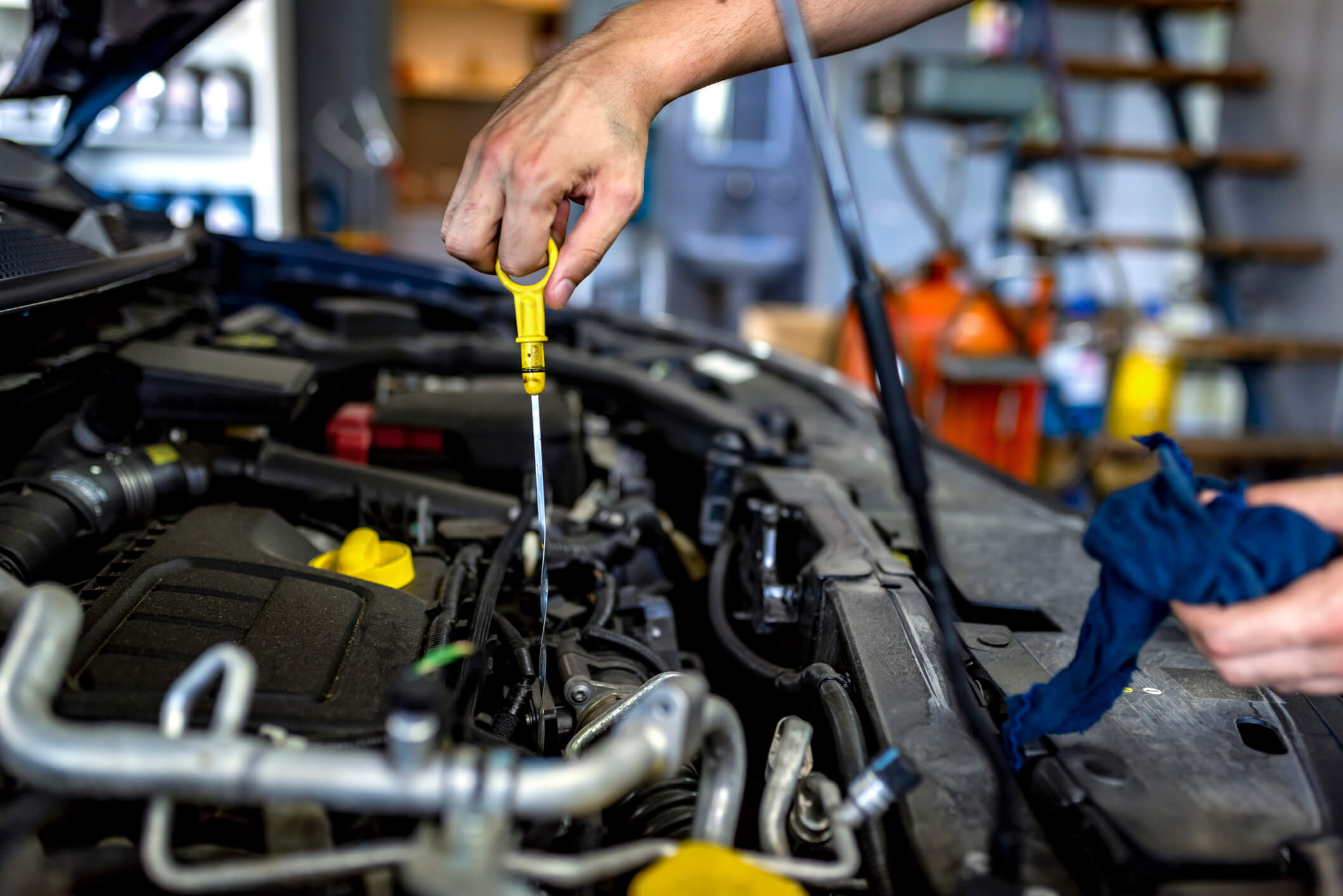
The dipstick is typically a long, thin rod with a yellow or orange handle located in your engine bay. Grasp the handle firmly and pull straight up with steady pressure. Some vehicles require a slight twist before pulling—consult your manual if you encounter resistance.
Step 2: Clean the Dipstick
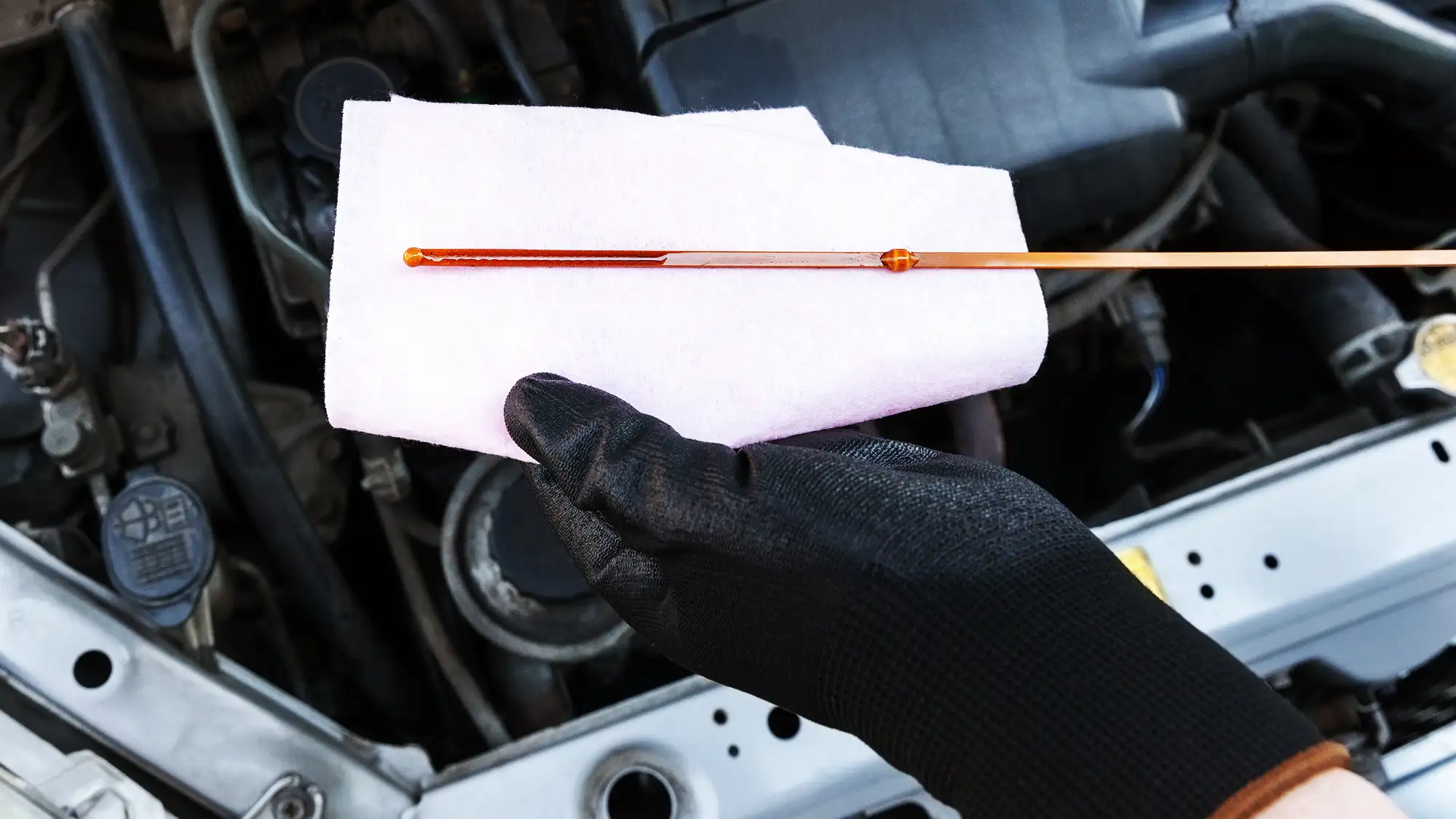
Wipe the entire dipstick with a clean paper towel or cloth. This removes the oil coating and allows you to see the minimum and maximum level markings accurately. This step is crucial for getting an accurate reading.
Step 3: Reinsert and Remove Again
Insert the clean dipstick fully back into its tube until you hear or feel it seat completely. Now, slowly pull it out again. This time, the dipstick will show your actual oil level.
Step 4: Read the Oil Level
Most dipsticks have two markings:
- Minimum Level: Lower line indicating the oil is getting low
- Maximum Level: Upper line indicating full capacity
Your oil level should be between these two lines, ideally closer to the maximum mark.
Step 5: Check Oil Condition
While you’re examining the oil, assess its color and clarity:
- Golden or light amber: Healthy, newly changed oil
- Dark brown or black: Oil is aged and should be changed soon
- Milky or opaque: Potential water contamination—have your vehicle serviced immediately
- Gritty or grainy appearance: Possible metal particles indicating engine wear
After Checking: Proper Dipstick Reinsertion
Push the dipstick back into its tube until fully seated. Ensure it’s inserted correctly and sits flush with the engine to prevent oil leaks or contamination. Some modern vehicles have electronic oil level sensors instead of traditional dipsticks—consult your manual to understand your vehicle’s system.
Common Mistakes When Learning How to Check Oil in Car Engine
Mistake #1: Checking Oil on a Warm Engine
Testing oil immediately after running your engine can give inaccurate readings because the oil is still circulating. Always wait at least 5 minutes after shutdown for a precise measurement.
Mistake #2: Checking on Uneven Surfaces
Parking on slopes or inclines causes oil to shift, resulting in false low readings. Always use level ground for accurate assessments.
Mistake #3: Not Cleaning the Dipstick Thoroughly
Residual oil from the previous check obscures level markings. Always wipe the dipstick completely clean before reinserting it.
Mistake #4: Ignoring Warning Lights
Modern vehicles display oil pressure warning lights on the dashboard. If this light illuminates, don’t ignore it—check your oil immediately and contact a dealership if the level is adequate but the warning persists.
Mistake #5: Overfilling Your Engine with Oil
Too much oil can cause engine damage, excessive pressure, and seal failures. Never exceed the maximum level marking.
When to Add Oil: Frequency and Best Practices
Understanding Oil Change Intervals
Modern vehicles require oil changes less frequently than older models. Current recommendations are:
- Conventional Oil: Every 3,000-5,000 miles or 3-6 months
- Synthetic Oil: Every 7,500-10,000 miles or 6-12 months
- High-Mileage Vehicles: Every 3,000-5,000 miles regardless of oil type
Always consult your owner’s manual or dealership recommendations for your specific vehicle, as some modern cars have different intervals.
Between Oil Changes: Topping Off Your Oil
If your oil level drops between scheduled changes, you may need to add oil. Here’s how:
- Determine the correct oil type from your owner’s manual
- Purchase the same brand and viscosity (the “5W-30” or “0W-20” number)
- Locate the oil filler cap (usually marked with an oil can symbol)
- Remove the cap and add small amounts of oil gradually
- Check the level after each addition to avoid overfilling
- Replace the filler cap securely
Excessive Oil Consumption: When to See a Mechanic
If you’re consistently adding oil between service intervals, your vehicle may have issues:
- Worn piston rings
- Leaking seals or gaskets
- Damaged valve cover
- Malfunctioning PCV system
Contact your local dealership to have these issues diagnosed and repaired to prevent engine damage.
Tools and Equipment You’ll Need
Learning how to check oil in car engine requires minimal equipment:
- Clean cloth or paper towels: For wiping the dipstick
- Adequate lighting: Flashlight or work light for visibility
- Owner’s manual: For vehicle-specific guidance
- Oil (appropriate type): For topping off if needed
- Oil filler cap wrench: Some sealed caps require special tools
Most car owners already have these items at home, making this maintenance task incredibly accessible and cost-effective.
Car Review Perspective: Why Dealerships Emphasize Oil Maintenance
When reviewing vehicles and assessing reliability, automotive experts consistently highlight oil maintenance as a primary factor determining longevity. Quality dealerships make knowing how to check oil in car engine a cornerstone of their customer education programs because:
- Owners who regularly monitor oil levels experience fewer catastrophic engine failures
- Well-maintained engines perform better, improving fuel efficiency and power delivery
- Proper maintenance protects your investment, maintaining resale value
- Preventive care costs far less than emergency engine repairs or replacement
Progressive dealerships now offer oil checking demonstrations to new owners, recognizing that educated customers maintain their vehicles better and experience higher satisfaction rates.
Dealership Services vs. DIY Oil Checking
When to Perform DIY Checks
Monthly oil checks are perfect for DIY maintenance. This simple task takes five minutes and costs nothing, making it an excellent habit for all vehicle owners.
When to Visit Your Dealership
Schedule professional oil changes at your dealership when:
- Oil change intervals approach (consult your manual)
- Your oil appears milky, gritty, or unusually dark
- You consistently need to top off oil between changes
- Oil pressure warning lights appear on your dashboard
- You’re unsure about the correct oil type for your vehicle
Dealership technicians have specialized knowledge about your vehicle’s specific requirements and can identify issues during comprehensive inspections that DIY checks might miss.
Modern Technology: Electronic Oil Monitoring Systems
Many newer vehicles have replaced traditional dipsticks with electronic oil level monitoring systems. These systems provide digital readouts on your dashboard, eliminating manual checks. However, understanding the traditional method remains valuable because:
- Electronic systems occasionally malfunction and require manual verification
- Older vehicles and used cars may still use traditional dipsticks
- Knowledge of manual checking builds your overall automotive literacy
If your vehicle uses electronic monitoring, consult your owner’s manual for system-specific guidance. Some dealerships still recommend periodic manual checks as a backup verification method.
Seasonal Considerations for Oil Maintenance
Winter Oil Care
Cold temperatures affect oil viscosity. Your oil must flow quickly to protect the engine during cold starts. Many dealerships recommend switching to winter-weight oil in harsh climates.
Summer Oil Performance
Higher temperatures can cause oil to thin, reducing protective properties. Monitor your oil level more frequently during hot months, as consumption rates typically increase.
Year-Round Consistency
Regardless of season, maintain consistent monthly checks. This habit ensures you catch problems early before they develop into expensive repairs.
Conclusion: Taking Control of Your Vehicle’s Health
Learning how to check oil in car engine is one of the most empowering skills you can develop as a vehicle owner. This simple five-minute task puts you in control of your car’s most critical maintenance need. By performing regular checks, understanding what healthy oil looks like, and knowing when to add or change it, you’re investing in your vehicle’s longevity, reliability, and resale value.
Whether you’re a new car buyer exploring your first dealership experience or a seasoned owner maintaining your vehicle, this fundamental knowledge separates responsible owners from those who face unexpected and costly repairs. Start today—check your oil this week and commit to monthly inspections moving forward.
Your Next Steps:
Ready to master your vehicle’s maintenance? Contact your local Mitsubishi Auto Store dealership or visit any trusted automotive service center to schedule your next comprehensive oil analysis. Our expert technicians can answer specific questions about your vehicle’s oil requirements and provide professional services when you need them. Schedule your maintenance appointment today and drive with confidence knowing your engine is receiving optimal care.
Frequently Asked Questions: Engine Oil Management
Q1: How often should I check my engine oil?
A: Check your oil at least once monthly, or before long road trips. Some drivers prefer weekly checks for vehicles with higher mileage or those known to consume oil more quickly. The more frequently you monitor, the better you’ll understand your vehicle’s normal consumption patterns.
Q2: What should I do if my oil level is below the minimum line?
A: Purchase the correct oil type from your owner’s manual and top off your engine immediately. Driving with low oil levels is extremely dangerous and can cause rapid engine damage. Add oil in small increments, checking the level after each addition.
Q3: Can I check my oil while the engine is running or warm?
A: No. Always turn off your engine and wait 5 minutes for oil to return to the pan. Warm oil circulates through the engine, providing inaccurate readings. Cold, settled oil gives the most reliable measurement.
Q4: What does dark or black oil mean?
A: Dark oil indicates age and accumulation of contaminants. If your oil appears very dark or black and your oil change isn’t due soon, schedule an appointment with your dealership. Your vehicle may be consuming oil faster than normal or the filter may be clogged.
Q5: Is checking oil the same as changing oil?
A: No. Checking oil is a quick inspection of the current level and condition. Oil changes involve draining old oil, replacing the filter, and adding fresh oil—a more involved process typically done by dealerships or experienced technicians. Checking is preventive; changing is corrective maintenance.
Q6: Why does my new car need less frequent oil changes?
A: Modern synthetic oils and improved engine designs extend oil life significantly. Better filtration systems and tighter engine tolerances mean oil stays cleaner longer, allowing intervals of 7,500-10,000 miles between changes compared to older vehicles requiring 3,000-5,000 mile intervals.
Q7: Can too much oil damage my engine?
A: Yes. Overfilling creates excessive oil pressure, which can damage seals, gaskets, and engine components. Never exceed the maximum level on your dipstick. If you’ve overfilled, have a technician drain the excess oil immediately.
Q8: What if my vehicle doesn’t have a traditional dipstick?
A: Modern vehicles may use electronic oil level sensors that display information on your dashboard. Consult your owner’s manual for your vehicle’s specific oil monitoring system. Even with electronic monitoring, dealerships sometimes recommend manual verification as a backup check.