How Long Are Car Seats Good For? Complete Guide to Car Seat Lifespan & Safety
If you’re a parent, grandparent, or caregiver, you’ve likely asked yourself at least once: how long are car seats good for? You might be staring at your child’s car seat wondering if it’s still safe, or maybe you found an extra one in the garage gathering dust. Whatever the reason, understanding the lifespan of a car seat is about more than just numbers — it’s about keeping kids safe on the road.
In this guide, we’ll walk through exactly how long car seats are good for, why they expire, how to read the expiration date, and tips to make sure you’re using safe equipment every time your child rides in the car.
How Long Are Car Seats Good For
What Is a Car Seat Lifespan?
Let’s start with the basics. A car seat’s lifespan is the period during which the seat is considered safe and effective according to the manufacturer’s guidelines. Unlike clothes or toys, car seats don’t last forever. Most manufacturers recommend replacing car seats after a certain number of years — usually between 6 and 10 years from the date of manufacture.
Why the limit? Car seats are made of plastic, metal, foam, and fabric — all of which change over time. Sunlight, heat, humidity, and repeated use break down materials, meaning the seat might not protect your child the way it should in a crash.
Think of it like food expiration dates. You wouldn’t eat yogurt six months past its date, even if it looks fine — and the same logic applies to car seats. The date exists because safety standards evolve, and materials wear down.
Factors That Affect Car Seat Lifespan
Not all car seats are used or stored the same way. Here’s what affects how long your seat stays good:
1. Expiration Date
Most car seats have an expiration date stamped somewhere on the frame or label. This is the manufacturer’s official timeframe. That date factors in material breakdown, testing standards, and regulatory changes.
2. Wear and Tear
If a seat gets constant use — like a toddler’s everyday ride to daycare — it experiences more stress than one used occasionally. Everyday use accelerates wear on straps, buckles, and padding.
Imagine two seats side by side: one has been through daily rides, errands, and long road trips for five years; the other sat in a guest car and only used on weekends. Even if they’re the same age, the first likely has more wear.
3. Crash History
If a car seat was in a crash — even a minor one — you should replace it immediately. Most manufacturers recommend this because internal components might be compromised without visible damage. This is an important factor to consider when asking How Long Are Car Seats Good For.
Think of it like bending a paper clip: it might look okay at first, but its strength is reduced. Similarly, a crash can weaken a car seat’s structure even when there are no obvious signs of damage, affecting How Long Are Car Seats Good For in terms of safety.
For this reason, replacing a car seat after an accident is often recommended regardless of age or appearance, helping parents better understand How Long Are Car Seats Good For and when a replacement is necessary.
4. Storage Conditions
Seats stored in extreme heat (like a hot garage) or cold (like a damp basement) degrade faster. UV rays and temperature swings can weaken plastic and foam over time.
5. Safety Standard Updates
Car seat safety standards improve over time. A seat that was considered top‑of‑the‑line 15 years ago might not meet today’s stricter tests.
How to Find and Read Your Car Seat Expiration Date
Now that you know why lifespan matters, let’s find that date!
Most car seats include:
A label on the base
A sticker on the back
Stamped plastic under the seat
Look for wording like:
“Do not use after…”
“Expiration date…”
“This seat expires…”
Some seats list the manufacture date instead of an 95-99 MITSUBISHI ECLIPSE SET expiration date. In that case, check your manual to see the recommended lifespan. For example, if a seat states a 10‑year lifespan and has a manufacture date of 2018, it expires in 2028.
Tip: Use your phone’s camera to take a clear picture of the label — it helps when you can’t read tiny print.
Car Seat Lifespans by Type
Different car seats have different recommended lifespans:
Infant‑Only Seats
These seats are designed for newborns and smaller babies. They often have shorter lifespans — usually around 6 years — because they’re lighter and used for a limited weight and height range. This is one reason parents often ask, How Long Are Car Seats Good For?
Understanding How Long Are Car Seats Good For is especially important for infant seats since babies outgrow them quickly compared to other car seat types.
For example, if you started using an infant seat when your baby was born and your child is now a toddler, that seat might be near or past its prime. Checking the expiration label can help determine How Long Are Car Seats Good For in your specific case.
Convertible Car Seats
These grow with your child — rear‑facing first and then forward‑facing. Because they’re built heavier and used longer, they often last up to 10 years.
Booster Seats
Booster seats don’t have harnesses and are generally used after a child outgrows a convertible seat. Their lifespan may vary, but many are still good for 8–10 years from manufacture.
The key takeaway? Always read your specific model’s instructions — because even within these categories, manufacturers may differ.
Why You Shouldn’t Use Old or Expired Car Seats
It might be tempting to reuse a seat that “looks fine,” but here’s why that’s risky:
Materials Break Down
Plastics become brittle, foam loses its shock‑absorbing ability, and fabrics wear thin. In a crash, weakened materials can fail.
Outdated Safety Tech
Newer seats have better side‑impact protection, stronger frames, and improved harness systems. An older seat might not protect your child as effectively.
Recall and Support Issues
Expired seats may no longer be supported by the manufacturer. If a safety recall comes out, you might have no way to know about it.
Real‑World Example
Jane used an old car seat passed down from a friend. It had no visible cracks and looked clean. But after checking the label, she found it had expired two years ago. A quick online search revealed that the model had a recall three years ago — meaning she wouldn’t have known without checking. Better safe than sorry!
Tips for Extending the Life of Your Car Seat (Safely)
You can’t stop time, but you can make smart choices to keep your seat in good shape:
Store Carefully
If you have a spare seat, store it in a cool, dry place. Avoid attics, basements, or garages with extreme temperatures.
Protect From Sun Damage
UV rays cause plastic to become brittle. Use a car seat cover when parked in direct sun, but avoid covers that interfere with harnesses.
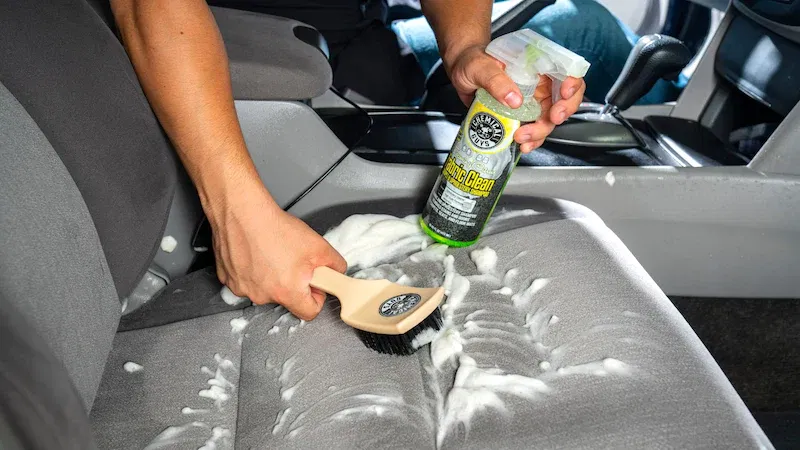
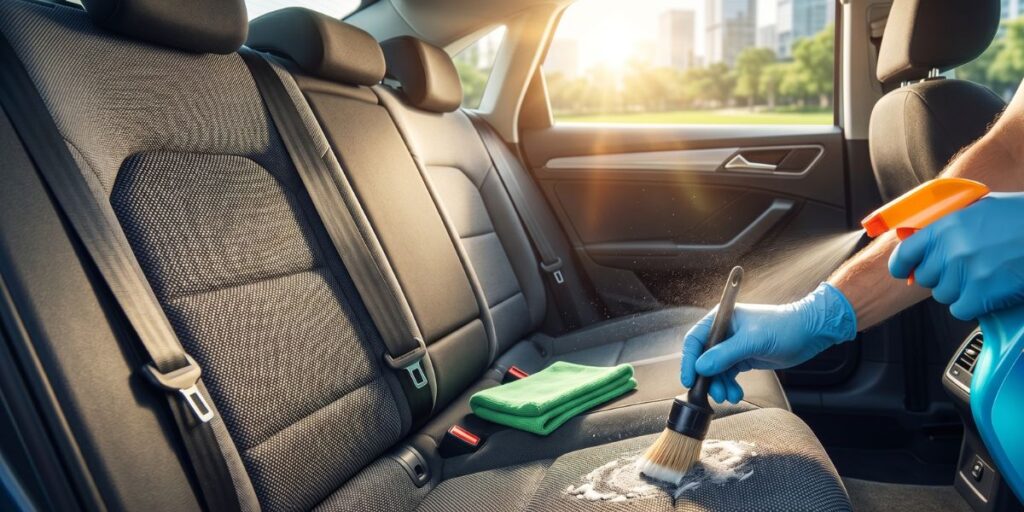
Clean Wisely
Follow the manufacturer’s cleaning instructions. Some fabrics are machine‑washable, but harness straps typically should not be submerged.
Register Your Seat
Registering ensures you get recall notifications and safety updates directly from the manufacturer.
When to Replace a Car Seat — Practical Checklist
Here’s a simple checklist to help you decide when it’s time to replace your car seat:
✔️ It’s past the expiration date
✔️ It was in a crash
✔️ You bought it used and don’t know its history
✔️ Plastic parts are cracked or warped
✔️ Fabric or padding is torn
✔️ The harness or buckles don’t function properly
If any of those are true, it’s time to get a replacement.
Can You Pass Down a Car Seat to Another Child?
Passing down car seats is common, but only if it’s safe to do so.
Check These First:
Is the seat still within its usable lifespan?
Has it ever been in a crash?
Is the harness intact and undamaged?
Do you have the manual or can you find it online?
If yes to all, then passing it on may be fine. But if you’re unsure about its history — especially with older or second‑hand seats — play it safe and replace it.
Hygiene Tip: Even if a seat is safe, give it a good clean before using it with another child.
Car Seat Safety Regulations & Standards
Car seat rules vary by country, but all reputable manufacturers follow safety testing requirements. Understanding How Long Are Car Seats Good For is important because safety standards and regulations can differ between regions.
In the U.S., car seats are tested under Federal Motor Vehicle Safety Standards (FMVSS). In Europe, you’ll see standards like ECE R44/04 or the newer R129 (i-Size), which includes improved side-impact testing. These regulations play a key role in determining How Long Are Car Seats Good For in real-world use.
Safety standards evolve over time. That’s another reason older seats — even if “not expired yet” — might lack protections that newer seats provide. Keeping up with these changes helps parents better understand How Long Are Car Seats Good For and when replacement may be necessary.
By following current regulations and manufacturer recommendations, families can make informed decisions about How Long Are Car Seats Good For and ensure children remain protected on every journey.
Mitsubishi Car Seats — Quality & Lifespan Overview
At mitsubishiautostore.com, we take safety seriously. Mitsubishi car seats are designed with:
Durable materials that resist wear and tear.
Advanced safety technology to protect in modern crash scenarios.
Clear expiration dates and support so you never guess.
Whether you’re choosing your first car seat or replacing one, Mitsubishi seats are built with longevity and safety in mind. Always check your seat’s date, register your product, and follow care instructions to get the most out of every model.
Conclusion — Keeping Kids Safe on the Road
So — how long are car seats good for?
Most seats expire between 6 and 10 years.
Expiration dates matter
Old or crash‑affected seats should be replaced.
Proper care extends life safely.
Your child’s safety is worth the effort of checking dates and understanding how car seats work. Don’t guess — check your seat today and make sure it’s still good for the road.
FAQs
How long do car seats last?
Most car seats are good for 6–10 years from the manufacture date. Always check your seat’s label for exact details.
Where is the expiration date on a car seat?
Look for a sticker or stamped label on the seat base, back, or underside. It usually says “Do not use after” or “Expiration date.”
Can an old car seat still be safe if it looks fine?
Not necessarily. Materials can degrade, and safety standards improve over time, so “looks fine” doesn’t guarantee safety.
Should I replace a car seat after a crash?
Yes. Even minor collisions can compromise internal components, so replacement is strongly recommended.
Can you reuse a car seat for multiple children?
Yes — as long as it’s within its lifespan, hasn’t been in a crash, and is in good condition.
Is it illegal to use an expired car seat?
Laws vary, but expired seats may fail safety standards and are strongly discouraged.
How should I store a car seat when not in use?
Store it in a cool, dry place away from heat, humidity, and direct sunlight to prevent material degradation.