Keeping your car clean goes beyond washing the exterior. The interior, especially cloth seats, plays a significant role in maintaining a fresh, comfortable driving experience. Clean car seats not only enhance your vehicle’s overall look but also how to clean cloth seats in the car contribute to a healthier environment by reducing dust, bacteria, and unpleasant odors. Unlike leather or synthetic seats, cloth upholstery tends to absorb spills, dirt, and grime, making it more prone to stains and lingering smells. Regular maintenance of cloth seats keeps your car inviting and preserves its resale value over time.
However, cleaning cloth seats comes with its own set of challenges. One of the most common issues is stains, ranging from coffee spills to grease marks. These stains can seep into the fibers, making them difficult to remove with a simple wipe. Odors are another concern, especially if the car is frequently used to transport food, pets, or if it accumulates moisture from rain or spills. Cloth seats also tend to attract dirt and dust, which can settle into the fabric over time, leading to a dull appearance and potential damage to the upholstery. Without proper cleaning techniques, attempts to remove stains can sometimes make matters worse, spreading the mess or leaving water rings.
To tackle these challenges effectively, it’s important to follow proven cleaning methods that are safe for cloth upholstery. A combination of proper tools and cleaning solutions can make the process easier and more efficient. This guide provides a clear, step-by-step approach that ensures stubborn stains and odors can be addressed without damaging your car seats. Whether you prefer DIY solutions using household items or specialized upholstery cleaners, the goal is to restore your seats to their original, spotless condition.
Materials You’ll Need
Before diving into the cleaning process, gather the necessary materials. Having everything on hand ensures that you can work efficiently and avoid interruptions during the cleaning process.
Cleaning Solutions:
Mild Soap – A gentle liquid soap or dishwashing detergent, when mixed with water, can effectively lift dirt and stains without harming the fabric.
Upholstery Cleaner – Commercial cleaners designed specifically for car fabrics often contain ingredients that target tough stains while preserving the integrity of the cloth.
Vinegar Solution – A mixture of white vinegar and water is a natural alternative that can help remove odors and disinfect the seats. It’s especially useful for tackling lingering smells and minor stains.
Tools:
Soft Brush – Use a soft-bristled brush to gently agitate the fabric, helping lift dirt from deep within the fibers without damaging the fabric.
Microfiber Cloths – These are perfect for wiping down seats, absorbing moisture, and removing residue from cleaning solutions.
Vacuum – A vacuum with a brush attachment is crucial for removing loose dirt, dust, and crumbs before applying any liquid solutions.
Spray Bottle – Useful for evenly distributing cleaning solutions over the fabric, ensuring thorough coverage without oversaturating the seats.
By assembling these materials in advance, you set yourself up for a successful cleaning session. The combination of gentle cleaning solutions and proper tools lets you remove dirt, tackle stains, and freshen your car interior efficiently, leaving your cloth seats looking and smelling like new.
How to Clean Cloth Seats in The Car
Step-by-Step Cleaning Process for Cloth Car Seats
Keeping your cloth car seats clean might seem Fabric seats for Mitsubishi eclipse cross daunting, but with the right approach, it’s simple and effective. By following a clear, step-by-step process, you can remove dirt, stains, and odors, ensuring your car interior stays fresh and inviting. Here’s how to do it safely and efficiently.
Vacuum the Seats Thoroughly
The first step in any cleaning routine is to remove loose dirt, crumbs, and debris. Use a vacuum cleaner with a brush attachment to gently go over every inch of your cloth seats. Pay close attention to seams and crevices where dirt tends to accumulate. Vacuuming first not only makes the cleaning process easier but also prevents you from rubbing dirt deeper into the fabric during the next steps.
Pre-Treat Stains
Stains are the main challenge with cloth upholstery. Before applying any cleaning solution, pre-treat visible stains. Depending on the type of stain, you can use a small amount of mild soap, a vinegar-water solution, or a commercial upholstery pre-treatment product. Apply it gently on the stain and let it sit for a few minutes to loosen the dirt. This step helps ensure that even stubborn marks like coffee or wine don’t leave permanent discoloration.
Apply Cleaning Solution
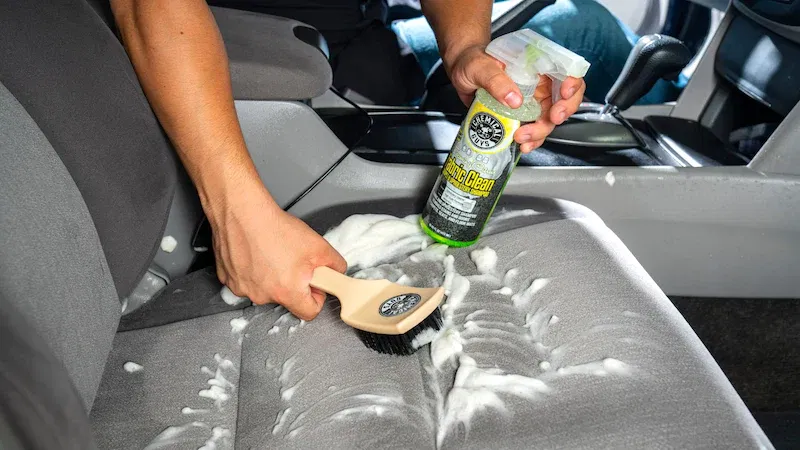
Once the stains are pre-treated, it’s time to clean the entire seat surface. Lightly spray your chosen cleaning solution across the seat, making sure not to oversaturate the fabric. Too much moisture can lead to water rings or prolonged drying times. Whether you’re using a store-bought upholstery cleaner or a mild DIY solution, even coverage is key to removing dirt effectively.
Scrub Gently with a Soft Brush
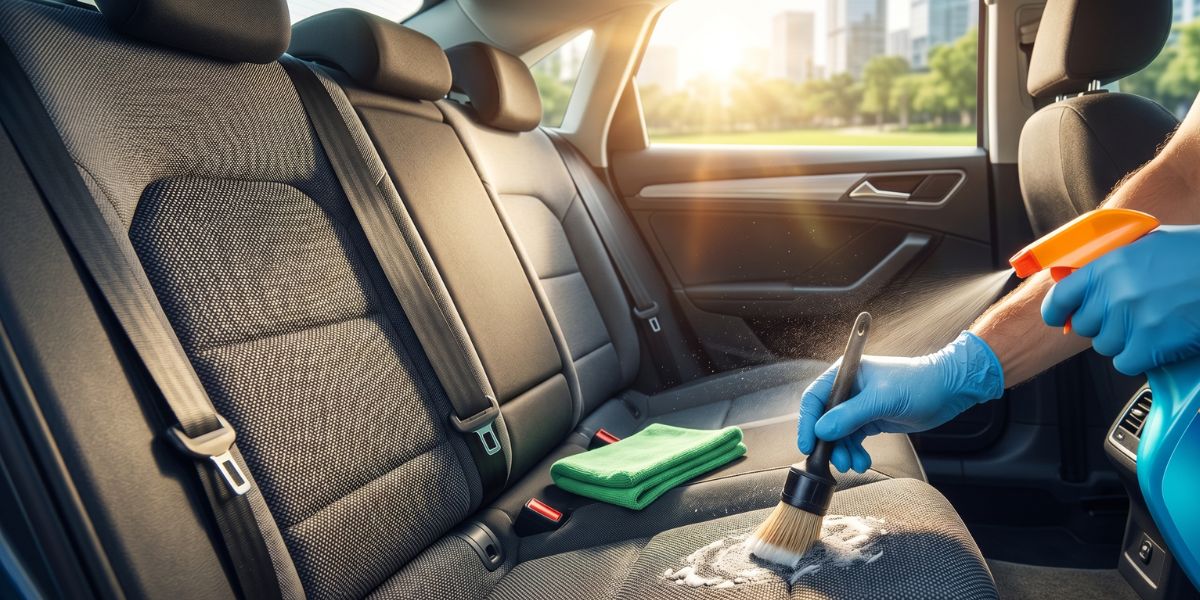
After applying the cleaning solution, gently scrub the fabric with a soft-bristle brush. Use circular motions to lift dirt from the fibers without damaging the cloth. Focus on areas with noticeable stains or high-contact zones, such as edges and seat bottoms. Scrubbing carefully allows the cleaning solution to penetrate the fabric and loosen embedded grime, making it easier to remove in the next step.
Wipe Down with a Clean Microfiber Cloth
Once scrubbing is complete, use a clean, dry microfiber cloth to blot the seats. This step removes excess moisture, lifted dirt, and any remaining cleaning solution. Microfiber cloths are ideal because they are gentle on the fabric and highly absorbent. For best results, wipe in multiple directions to ensure you remove as much residue as possible, leaving your seats looking refreshed.
Let Seats Dry Completely
The final step is to allow your seats to dry fully before using your car. Open the doors or windows to encourage airflow, or use a fan to speed up the drying process. Ensuring the seats are completely dry prevents mold or mildew from developing, which can occur if moisture is trapped in the fabric. Proper drying also helps restore the fabric’s natural texture and appearance.
Tips for Tough Stains
Some stains require extra care and attention. Understanding how to handle common tough stains can save your seats from permanent damage.
Coffee and Tea: Blot the spill immediately with a clean cloth, then apply a mild soap solution. Avoid rubbing, as it can spread the stain.
Wine and Juice: Use cold water to dilute the stain first, then follow with a vinegar-based solution to neutralize any lingering color.
Grease and Oil: Sprinkle baking soda or cornstarch on the stain to absorb excess oil, let it sit for 10–15 minutes, then vacuum before applying a cleaning solution.
Pet Stains: Enzymatic cleaners work best for pet stains, breaking down organic matter and neutralizing odors.
When it comes to removing stains, you can choose between DIY solutions and commercial products. DIY cleaners like vinegar, mild soap, or baking soda are affordable, non-toxic, and effective for most everyday stains. On the other hand, commercial upholstery cleaners are specially formulated to tackle tough stains and odors, making how to clean cloth seats in the car them ideal for persistent marks or heavily soiled seats. Often, a combination of both approaches works best: pre-treat minor stains with a DIY solution, then finish with a commercial cleaner for a thorough deep clean.
By following these steps and tips, your cloth car seats can remain spotless, fresh, and inviting. Regular maintenance not only enhances your car’s appearance but also contributes to a healthier driving environment. Whether dealing with everyday dirt or unexpected spills, having a consistent cleaning routine ensures your seats stay comfortable, attractive, and free from stains and odors.
Maintaining Your Cloth Seats
Keeping your cloth car seats clean doesn’t end with a single deep cleaning session. Regular maintenance is key to preserving their How Long Are Car Seats Good For appearance, comfort, and hygiene. Cloth seats are prone to absorbing dirt, dust, spills, and even odors, so establishing a simple routine can make a big difference over time. Here’s how to maintain your cloth seats effectively.
Regular Vacuuming and Spot Cleaning
One of the simplest yet most effective ways to keep your seats in top condition is to vacuum regularly. Learning how to clean cloth seats in the car starts with removing loose dirt, crumbs, and dust before they settle into the fabric.
By vacuuming weekly, you prevent particles from embedding in the material and make how to clean cloth seats in the car much easier over time. Focus on seams, edges, and under the seats, as these areas often collect the most debris.
A good vacuum with a soft brush attachment will gently lift dirt without damaging the fabric, which is an important step in how to clean cloth seats in the car properly.
Spot cleaning is equally important when considering how to clean cloth seats in the car. Accidents happen—whether it’s a spilled drink, a dropped snack, or a muddy footprint.
Addressing stains immediately prevents them from setting into the cloth and is one of the best practices for how to clean cloth seats in the car effectively. For spot cleaning, use a mild soap solution or a commercial upholstery cleaner.
Blot gently rather than scrubbing aggressively to avoid spreading the stain. This technique is highly recommended for anyone learning how to clean cloth seats in the car without damaging the upholstery.
Consistent attention to minor spills keeps your seats looking fresh, prevents long-term discoloration, and completes the process of how to clean cloth seats in the car successfully.
Avoiding Harsh Chemicals
While it may be tempting to use strong household cleaners for tough stains, harsh chemicals can damage the fibers of your cloth seats, leading to fading, stiffness, or even tears over time. If you’re researching how to clean cloth car seats, choosing the right cleaning products is one of the most important steps.
Avoid bleach, ammonia, or products designed for hard surfaces. Instead, rely on mild soap, water, vinegar solutions, or specialized car upholstery cleaners. Many experts consider these options the best way to clean cloth car seats because they remove dirt and stains without damaging the fabric.
These cleaning methods are also highly recommended for anyone learning how to clean cloth seats in the car safely and effectively. Using gentle products consistently helps preserve the fabric’s integrity while keeping your interior fresh and clean.
By following the proper techniques for how to clean cloth car seats, you can ensure your seats remain soft, comfortable, and visually appealing for years to come.
Using Seat Covers for Protection
Seat covers are an excellent investment for long-term maintenance. They act as a protective barrier against spills, dirt, and wear from daily use. Modern seat covers come in a variety of materials, including water-resistant fabrics and machine-washable options, making them easy to maintain. If you frequently transport children, pets, or food in your car, seat covers can save your cloth seats from stains and reduce the need for frequent deep cleaning. Even a basic cover can significantly extend the life of your upholstery.
When to Seek Professional Help
Sometimes, despite your best efforts, your cloth seats may require professional attention. Certain situations call for specialized tools and expertise.
Deep-Set Stains or Mold
Stains that have penetrated deeply into the fabric, or persistent mold caused by moisture, are best handled by professionals. Attempting to remove them at home can sometimes worsen the damage or leave behind unpleasant odors. Professionals have access to stronger cleaning agents and techniques designed specifically for upholstery, ensuring a thorough and safe removal process.
Specialized Cleaning Machines
Professional car detailers often use advanced equipment, such as steam cleaners, hot-water extraction machines, and ultrasonic cleaning systems. These tools reach deep into the fibers, removing dirt, bacteria, and allergens that regular home methods cannot fully eliminate. Using specialized machines also reduces the risk of over-wetting or damaging your cloth seats, which can occur when trying to replicate these methods at home.
Conclusion
Maintaining clean cloth car seats is easier than it seems when you follow a consistent routine and use the right techniques. Understanding how to clean cloth seats in the car properly helps keep your interior fresh, safe, and stain-free for years to come.
Regular vacuuming, spot cleaning, and avoiding harsh chemicals are essential parts of how to clean cloth seats in the car effectively. Using seat covers also provides an added layer of protection, especially if your car sees heavy use or you frequently transport pets and food.
While DIY cleaning works for most everyday dirt and minor stains, some situations—like deep-set stains, mold, or persistent odors—may require professional help. Knowing how to clean cloth seats in the car also means recognizing when expert assistance is necessary.
Specialists use advanced tools and cleaners to restore your seats effectively without risking damage, complementing your efforts in how to clean cloth seats in the car at home.
By combining preventive care with professional support when necessary, you can extend the life of your seats and improve your car’s interior appearance. Following proven methods for how to clean cloth seats in the car also helps create a cleaner and healthier driving environment.
Clean seats not only improve comfort but also contribute to your car’s resale value. This is another reason why learning how to clean cloth seats in the car is a worthwhile investment for every vehicle owner.
With a little attention and the right approach, maintaining spotless upholstery becomes simple and manageable, proving that how to clean cloth seats in the car is easier than many drivers expect.
How often should I clean my cloth car seats?
Vacuum weekly and deep clean every 3–6 months, or sooner if spills occur?
Can I use household cleaners on cloth seats?
Yes, mild soap or a vinegar-water solution works. Avoid bleach, ammonia, or harsh chemicals.
How do I remove stubborn stains like coffee or wine?
Pre-treat the stain with a mild solution or an upholstery cleaner, then gently scrub and blot with a microfiber cloth.
Will cleaning my seats remove odors?
Proper cleaning and drying will remove most odors. For persistent smells, consider a professional deep clean.
When should I hire a professional?
Call a professional for deep-set stains, mold, or if home cleaning isn’t removing odors or dirt effectively.
Can seat covers help?
Yes, seat covers protect your cloth seats from spills, dirt, and wear, reducing the need for frequent cleaning.