Mitsubishi Parts & Performance Upgrades: The Complete Guide to Engine Assemblies, Transmissions, Maintenance & Vehicle RestorationIntroduction: Why Mitsubishi Parts Quality Matters
- Selecting genuine Mitsubishi engine assemblies
- Understanding transmission repair and replacement options
- Implementing performance upgrades safely
- Following professional maintenance schedules
- Restoring classic and modern Mitsubishi vehicles
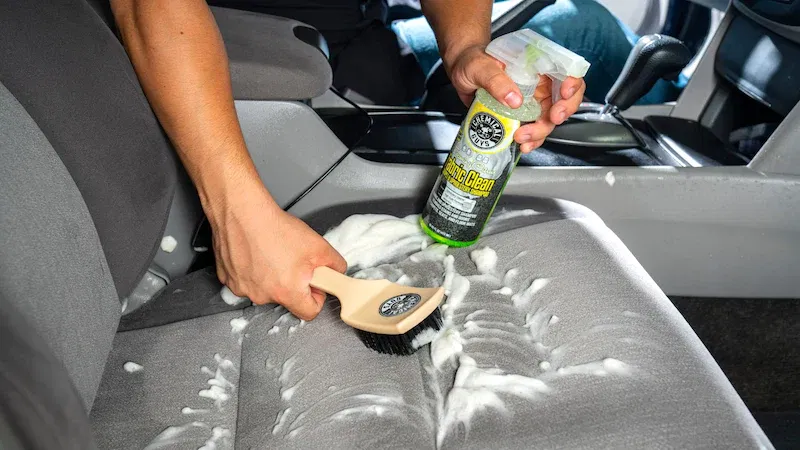
- Interior care tips, including how to get the stains out of car seats and other maintenance essentials
Let’s dive into the details and empower you to make informed decisions about your Mitsubishi vehicle’s care and enhancement.
Understanding Mitsubishi Engine Assemblies: Quality, Compatibility & Performance
What Are Engine Assemblies and When Do You Need Them?
An engine assembly is a complete, ready-to-install power plant that includes all essential components: the cylinder block, crankshaft, pistons, valves, timing system, and more. Rather than purchasing individual parts and reassembling, engine assemblies offer convenience, consistency, and warranty protection.
You might need a new engine assembly if your Mitsubishi experiences:
- Catastrophic engine failure (seized engine, cracked block)
- High mileage with significant wear and diminished performance
- Repeated overheating issues or coolant leaks
- Major internal damage or knocking sounds
- Performance enhancement goals (upgrading to a more powerful variant)
Genuine vs. Aftermarket Engine Assemblies: Making the Right Choice
When shopping for Mitsubishi engine assemblies, you’ll encounter two primary options:
Genuine Mitsubishi Engine Assemblies:
- Manufactured to OEM (Original Equipment Manufacturer) specifications
- Include factory warranty coverage
- Perfect compatibility with your specific Mitsubishi model and year
- Optimized for reliability and longevity
- Higher upfront cost but better long-term value
High-Quality Aftermarket Assemblies:
- More affordable initial investment
- Manufactured by reputable third-party companies
- Often include competitive warranties (3-5 years typical)
- May require additional verification for perfect compatibility
- Suitable for budget-conscious repairs with reliable suppliers
Popular Mitsubishi Engine Options by Model
Different Mitsubishi models feature distinct engines. Here are popular configurations:
- Lancer / Lancer Evolution: 2.0L 4G63T turbocharged, 2.0L 4G94 naturally aspirated
- Outlander: 2.4L 4B12 naturally aspirated, 2.4L MIVEC variants
- Mirage: 1.2L 3A92 and 1.5L 3A91 compact engines
- Pajero: 3.2L 4M41 turbocharged diesel, 3.8L 6G75 V6
- RVR / RAV4 competitor: 2.0L and 2.4L naturally aspirated options
Transmission Repair & Replacement: Complete Maintenance Guide
Understanding Mitsubishi Transmission Systems
Your Mitsubishi’s transmission is critical for converting engine power into forward momentum. Mitsubishi vehicles typically feature:
Manual Transmissions:
- 5-speed and 6-speed variants common
- Lightweight and performance-oriented
- Popular for Lancer Evolution and sports-oriented models
- Generally more durable with proper maintenance
Automatic Transmissions:
- 4-speed, 5-speed, 6-speed, and CVT (Continuously Variable Transmission) options
- CVT systems increasingly popular in modern Mitsubishi vehicles
- Smoother driving experience with improved fuel economy
- Requires specialized maintenance and fluid monitoring
Common Transmission Problems and Solutions
Delayed Shifting or Slipping: Often indicates low fluid levels, worn friction materials, or valve body issues. Solution: Check fluid first; if problem persists, professional inspection is needed.
Grinding or Clunking Noises: May signal gear damage, bearing wear, or synchronizer problems. Professional transmission service is necessary to prevent catastrophic failure.
Fluid Leaks: Check for leaks at the pan, seals, and cooler lines. Transmission fluid is expensive to replace and essential for operation. Address leaks immediately.
CVT Shuddering (Newer Models): Can indicate fluid degradation or transmission valve issues. Regular CVT fluid changes (every 30,000-60,000 miles for many Mitsubishi models) help prevent this problem.
Transmission Maintenance Schedule for Longevity
| Maintenance Task | Manual Transmission | Automatic/CVT |
|---|---|---|
| Fluid Inspection | Every 30,000 miles | Every 15,000 miles |
| Fluid Change | 60,000-80,000 miles (or never, if quality) | 30,000-60,000 miles (CVT needs more frequent) |
| Filter Replacement | As needed with fluid change | Every fluid change |
| Professional Inspection | 100,000+ miles or if issues present | 80,000+ miles or if issues present |
Action Item: Visit mitsubishiautostore.com to source OEM or equivalent transmission fluid, filters, and gaskets for your specific model and transmission type.
Performance Upgrades: Enhancing Your Mitsubishi’s Capabilities
Turbocharger & Supercharger Upgrades
Performance upgrades are the dream of many Mitsubishi enthusiasts, especially Lancer Evolution owners. Turbocharging or supercharging your naturally aspirated Mitsubishi can yield significant horsepower gains.
- Turbocharger Installation: Adds 40-80+ horsepower for naturally aspirated engines; requires exhaust manifold, intercooler, and fuel system upgrades
- Supercharger Systems: Mechanical boost with instant throttle response; typically adds 25-50 horsepower with less complexity than turbocharging
- Engine Control Unit (ECU) Tuning: Remapping software to optimize fuel injection, ignition timing, and boost pressure for maximum efficiency
Intake & Exhaust System Upgrades
Optimizing airflow dramatically improves engine breathing:
- Cold Air Intake Systems: Draw cooler, denser air for better combustion and 5-15 horsepower gains
- High-Flow Air Filters: Reduce restriction for improved airflow and throttle response
- Performance Exhaust Systems: Cat-back or full exhaust upgrades reduce backpressure, adding 10-30 horsepower
- Headers & Manifolds: Improved exhaust scavenging for turbocharged models can yield significant gains
Internal Engine Modifications
For serious performance enthusiasts:
- Forged Pistons & Rods: Handle higher boost pressures and increased cylinder pressures safely
- Performance Camshafts: Increase valve overlap for extended power band and higher RPM capabilities
- Ported & Polished Cylinder Heads: Improve flow characteristics for naturally aspirated performance gains
- Upgraded Fuel Injectors: Essential for turbo installations; provide precise fuel metering at higher pressures
Transmission & Drivetrain Enhancements
Power is meaningless without proper transfer to the wheels:
- Limited-Slip Differentials: Improve traction and cornering performance on spirited driving
- Performance Clutch Kits: Handle increased horsepower with higher holding capacity and engagement control
- Upgraded Drive Shafts: Prevent premature failure under high-torque conditions
- Gear Ratio Modifications: Tailor acceleration or top-end performance to your driving style
Important Note: Before undertaking significant performance upgrades, consider your vehicle’s current condition, cooling capacity, and suspension geometry. Over-modification without supporting systems can lead to premature component failure.
Comprehensive Maintenance Guides for Mitsubishi Longevity
Regular Oil & Filter Changes: The Foundation of Engine Health
Oil changes are the most critical maintenance task for any vehicle:
- Schedule: Every 3,000-5,000 miles (synthetic); every 5,000-7,500 miles (conventional) depending on model year
- Oil Grade: Consult your owner’s manual for correct viscosity (typically 0W-20, 5W-30, or 10W-30)
- Capacity: Ranges from 3.7 quarts (Mirage) to 5.5+ quarts (Outlander with filter)
- Pro Tip: Use genuine Mitsubishi or equivalent high-quality filters to ensure proper bypass valve function and filtration
Cooling System Maintenance
Overheating is catastrophic for engines. Keep your cooling system pristine:
- Coolant Flushes: Every 30,000-50,000 miles or per manufacturer recommendation
- Thermostat Inspection: Check for sticking or failure symptoms (erratic temperature gauge)
- Water Pump Assessment: Listen for grinding sounds; check for leaks at the gasket
- Radiator Cleaning: Remove external debris; internally flush if coolant shows contamination
- Hose Inspection: Replace deteriorating hoses before rupture; typically every 5-7 years
Brake System Care
Safety depends on reliable braking:
- Pad Replacement: Typically every 25,000-70,000 miles depending on driving habits
- Rotor Inspection: Check for excessive wear, warping, or cracking
- Fluid Bleeding: Annual inspection; bleed every 2 years to remove moisture contamination
- Brake Caliper Service: Ensure proper piston movement; lubbricate slide pins annually
Suspension & Steering Components
A smooth, responsive drive requires proper suspension maintenance:
- Strut & Shock Inspection: Every 50,000 miles; replace if bouncing or uneven wear is observed
- Ball Joint Assessment: Watch for clicking sounds or excessive steering play
- Wheel Alignment: Annually or whenever tires show uneven wear patterns
- Tie-Rod Ends: Check for excessive movement; replace if steering is sloppy or clunking is heard
Electrical System & Battery Care
Modern Mitsubishis rely heavily on electrical systems:
- Battery Life: Typical lifespan 3-5 years; test annually after 3 years
- Alternator Function: Ensure consistent charging voltage (13.5-14.5V at idle)
- Starter Motor: Replace if slow cranking or grinding sounds develop
- Corrosion Cleaning: Keep battery terminals clean for reliable starting
Vehicle Restoration: Bringing Classic Mitsubishis Back to Life
Assessment Phase: Evaluating Your Restoration Project
Before starting a vehicle restoration, thorough assessment is essential:
- Body Condition: Document rust, dents, paint condition, and structural integrity
- Mechanical Status: Test-drive to identify engine, transmission, and component issues
- Interior Assessment: Evaluate upholstery wear, dashboard cracks, and how to get the stains out of car seats and carpet damage
- Parts Availability: Research sourcing for your specific model year and variant
- Budget Planning: Establish realistic timelines and financial commitments
Interior Restoration: Bringing Back That New-Car Feel
Interior restoration is often overlooked but critical for overall vehicle appeal:
How to Get the Stains Out of Car Seats:
Car seat stains are common in restored vehicles. Professional-quality cleaning can restore appearance:
- Identify Stain Type: Grease, food, water, mold, or dye bleeding require different treatments
- Fabric Cleaning: Use specialized automotive upholstery cleaners; test on hidden areas first
- Leather Conditioning: For leather seats, use pH-balanced leather cleaners followed by conditioning cream
- Enzymatic Treatments: Biological stain removers break down organic matter effectively
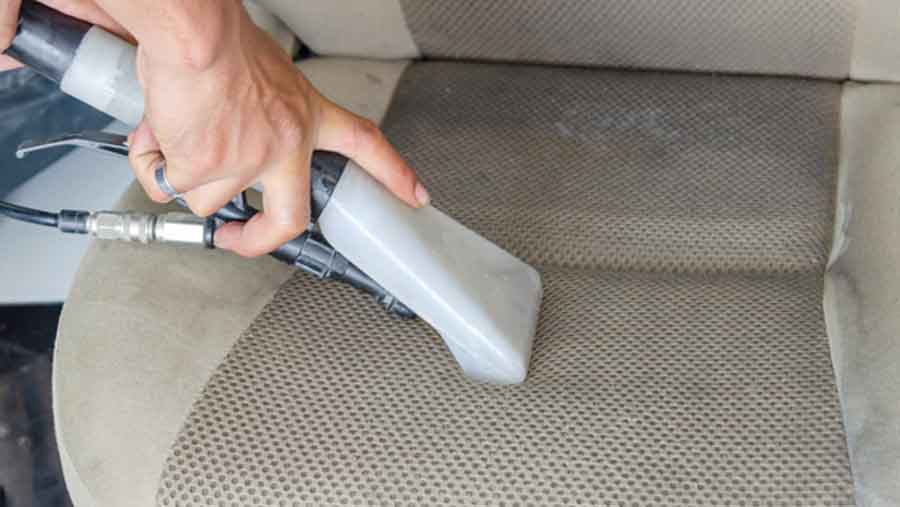
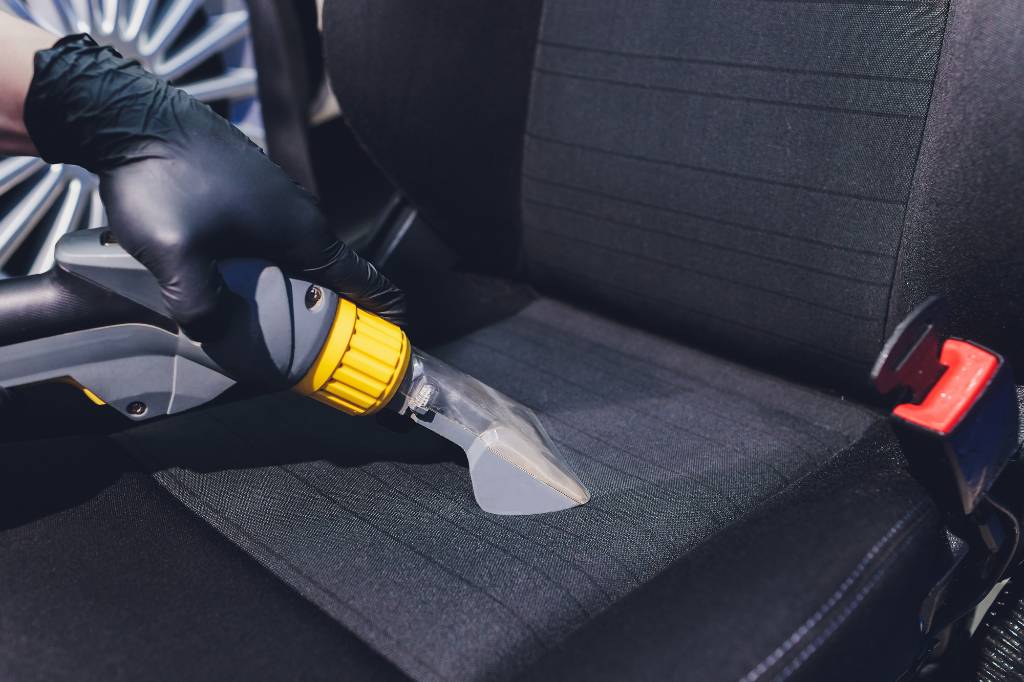
- Professional Steam Cleaning: High-pressure extraction removes deep-seated dirt without damaging upholstery
- Preventive Care: Apply fabric protectant or leather sealant after cleaning to reduce future staining
Additional Interior Tasks:
- Carpet Replacement: Worn carpeting detracts from restoration quality; floor mats hide issues temporarily
- Dashboard Restoration: Address cracks with specialized repair kits; color-match for seamless appearance
- Upholstery Replacement: Consider reupholstering severely damaged seats with original patterns or upgrades
- Trim & Hardware: Restore or replace chrome, plastic trim, door handles, and window controls
- Sound System Upgrades: Modern head units improve functionality while maintaining aesthetic compatibility
Engine & Mechanical Restoration
Mechanical restoration is the heart of the project:
- Complete Engine Overhaul: Rebore, hone, and replace all internal components; refinish exterior surfaces
- Transmission Rebuild: Replace worn seals, bearings, and synchronizers for smooth operation
- Cooling System Replacement: Install new radiator, hoses, water pump, and thermostat
- Electrical System Restoration: Rewire if necessary; ensure all gauges, lights, and accessories function properly
- Fuel System Service: Clean or replace fuel tank, lines, pump, and injectors
Exterior Restoration: Paint, Body, & Appearance
Visual impact defines a successful restoration:
- Rust Removal: Sand blasting, media blasting, or chemical removal for severe rust
- Body Panels: Replace severely damaged panels; repair dents with proper techniques
- Paint Restoration: Full repaint with OEM or premium automotive paint; base-coat/clear-coat systems recommended
- Trim & Moldings: Restore or replace weatherstripping, body trim, and protective moldings
- Glass & Weatherseals: Replace deteriorated seals; restore glass clarity
- Chrome & Hardware: Polish or re-chrome; replace corroded fasteners
Sourcing Authentic Restoration Parts
Finding correct parts is crucial for maintaining authenticity:
- Genuine Mitsubishi Parts: Original parts ensure perfect fit and factory appearance
- Reproduction Parts: High-quality reproductions of discontinued items (trim, seals, badges)
- Specialist Suppliers: Many companies specialize in classic Mitsubishi parts (Lancer, Galant, Starion)
- Documentation: Keep records of all parts sourced for provenance and authenticity
- Vendor Reliability: Source from established dealers like mitsubishiautostore.com to ensure quality
Conclusion: Your Mitsubishi Journey Starts Here
Whether you’re performing routine maintenance, undertaking performance upgrades, or beginning a complete restoration, Mitsubishi parts quality and compatibility are non-negotiable. From engine assemblies and transmissions to interior restoration solutions like proper car seat care, every component contributes to your vehicle’s reliability, performance, and longevity.
Key takeaways:
- Choose genuine or verified high-quality parts for critical systems
- Follow manufacturer maintenance schedules religiously
- Address issues promptly to prevent catastrophic failures
- Plan performance upgrades carefully with supporting system upgrades
- Invest in professional assessment before major repairs or restoration projects
- Maintain detailed service records for warranty coverage and resale value
Ready to enhance, restore, or maintain your Mitsubishi? Explore our comprehensive selection of genuine and high-quality Mitsubishi parts at mitsubishiautostore.com. Our expert team is ready to help you find exactly what your vehicle needs, backed by professional knowledge and competitive pricing.
Contact us today for personalized recommendations and trusted sourcing for your Mitsubishi automotive needs!
Frequently Asked Questions (FAQs)
Q1: What’s the difference between OEM and aftermarket Mitsubishi parts?
Answer: OEM (Original Equipment Manufacturer) parts are factory-produced parts that meet Mitsubishi’s engineering specifications exactly. Aftermarket parts are produced by third parties and may vary in quality and fit. OEM parts typically cost more but guarantee compatibility and longevity. High-quality aftermarket parts can be suitable if sourced from reputable manufacturers and verified for compatibility. Always prioritize OEM parts for critical systems like engine components, transmissions, and braking systems.
Q2: How often should I change my transmission fluid?
Answer: Manual transmissions can go 60,000-80,000 miles or longer between fluid changes, while automatic transmissions typically need fluid changes every 30,000-60,000 miles. CVT (Continuously Variable Transmission) systems require more frequent servicing—every 30,000-40,000 miles with some manufacturers. Always consult your specific vehicle’s owner’s manual for the manufacturer’s recommendation, as this varies by model year and transmission type. Regular fluid inspection can extend intervals if the fluid remains clean and properly colored.
Q3: Is it safe to perform performance upgrades on a stock Mitsubishi?
Answer: Performance upgrades can be safe if implemented properly with supporting system upgrades. Adding a turbocharger to a naturally aspirated engine requires upgraded fuel injectors, fuel pump, intercooler, and ECU tuning. Transmission, cooling, and braking systems may also need reinforcement depending on power goals. We strongly recommend consulting with experienced performance specialists at mitsubishiautostore.com before undertaking modifications. Improperly executed upgrades can lead to premature component failure and void manufacturer warranties.
Q4: How can I identify authentic Mitsubishi parts versus counterfeits?
Answer: Authentic Mitsubishi parts feature clear OEM branding, part numbers matching your vehicle’s specifications, proper packaging with documentation, and pricing consistent with legitimate dealers. Counterfeit parts often have poor printing quality, missing or incorrect part numbers, and suspiciously low prices. Purchase from authorized Mitsubishi dealers or verified suppliers like mitsubishiautostore.com to ensure authenticity. Suspicious sources include heavily discounted online marketplaces from unknown sellers.
Q5: What should I do if my Mitsubishi engine overheats?
Answer: If your engine overheats, pull over safely and let it cool (do NOT open the radiator cap while hot). Once cooled, check coolant levels—low coolant indicates a leak. Examine hoses for splits, check the radiator for debris blockage, and inspect the thermostat housing for leaks. Common causes include low coolant, failed thermostats, broken water pump belts, or radiator clogs. If coolant level is normal but overheating persists, professional diagnosis is necessary as internal issues like head gasket failure may be present. Don’t ignore overheating—it causes catastrophic engine damage quickly.