Want to give your car a fresh new look while improving performance? Learning how to upgrade car rims is one of the smartest automotive upgrades you can make. The right rims don’t just enhance appearance—they can also improve handling, braking, and overall driving comfort.
Before upgrading, check your vehicle’s wheel size, bolt pattern, offset, and tire compatibility. Choosing rims that match factory specifications helps maintain safety, steering precision, and ride quality.
How to Upgrade Car Rims: Improve Style, Performance & Safety
Many drivers prefer alloy rims because they are lighter than steel wheels, helping reduce weight and improve responsiveness. In online automotive communities, owners frequently report that quality rim upgrades make their vehicles feel more refined and visually appealing.
When selecting new rims, avoid focusing only on appearance. Consider durability, fitment, brake clearance, and road conditions. Experts also recommend professional installation, wheel balancing, and alignment after upgrading to ensure optimal performance and tire life.
A well-planned rim upgrade can transform your vehicle’s look and driving experience. Invest in quality rims, choose the correct size, and enjoy a safer, smoother, and more stylish ride for years to come.
Upgrading car rims is one of the most effective ways to enhance your vehicle’s appearance and performance. New rims can instantly give your car a more stylish, aggressive, or luxurious look while also improving handling, braking, and overall driving experience. Many drivers replace factory rims to achieve better aesthetics, reduce wheel weight, improve road grip, or customize their vehicle to match personal preferences. Choosing the right rim upgrade can provide benefits such as increased durability, improved fuel efficiency, better tire compatibility, and even higher resale value.
However, selecting the correct size, material, and design is essential to ensure safety and optimal performance. In this guide, you’ll learn everything you need to know about upgrading car rims, including how to choose the best rims for your vehicle, important fitment factors, cost considerations, and expert tips to make the upgrade process smooth and successful.
Why Upgrade Your Car Rims?
Upgrading your car rims offers far more than just a visual improvement—it can significantly enhance your vehicle’s overall performance and value. One of the main reasons drivers choose new rims is to improve their car’s appearance. Stylish aftermarket rims can give your vehicle a sportier, more luxurious, or personalized look that stands out on the road. Beyond aesthetics, upgraded rims can also improve handling and driving performance, especially when lighter materials like alloy are used. Alloy rims reduce unsprung weight, which can lead to better acceleration, sharper steering response, and improved fuel efficiency.
Additionally, many aftermarket rims are designed to improve brake cooling by increasing airflow around the braking system, enhancing do tires come with rims braking performance and reducing heat buildup. Upgrading rims can also boost resale value by making your car more attractive to potential buyers. Finally, customization options are nearly endless, allowing you to choose from various sizes, finishes, colors, and designs that perfectly match your style. Whether for performance, appearance, or value, upgrading your car rims is a smart investment for many vehicle owners.
Types of Car Rims You Can Upgrade To
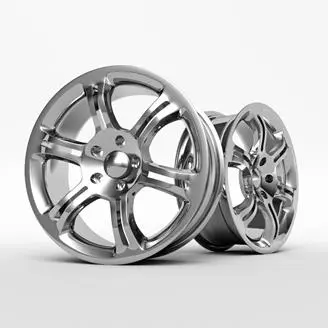
When upgrading your car rims, understanding the different types available is essential for making the best decision based on style, performance, and budget. Steel rims are one of the most affordable and durable options. They are highly resistant to damage from potholes and rough roads, making them ideal for winter driving or heavy-duty use. However, steel rims are heavier than other options, which can reduce fuel efficiency and performance. Alloy rims are among the most popular upgrades because they are lighter, more stylish, and improve handling, acceleration, and braking.
They also offer better heat dissipation, which helps with brake cooling. Forged rims are premium options made from high-strength materials under intense pressure. They are lighter, stronger, and more durable than cast alloy rims but come with a significantly higher price tag. Chrome rims are favored for their shiny, luxurious appearance, but they often require more maintenance and can be more expensive. Custom-painted rims allow for complete personalization, offering unique colors and finishes to match your vehicle’s style, though they may require touch-ups over time.
How to Choose the Right Rim Size
Choosing the correct rim size is crucial for safety, performance, and proper fitment. Rim diameter is the distance from one end to the other of a wheel and is typically measured in inches. Larger diameters can improve appearance and handling but may reduce ride comfort. Rim width affects tire fitment and traction, with wider rims often providing better grip. Bolt pattern is another critical factor, as it determines whether the rim will properly attach to your vehicle’s hub. Offset and backspacing influence how the wheel sits relative to the suspension and body, impacting handling and clearance. Matching rims with tire size is essential to maintain speedometer accuracy, ride quality, and safety. Vehicle owners should also consider OEM (original equipment manufacturer) sizing for guaranteed compatibility or carefully select aftermarket sizing for custom upgrades.
Avoiding fitment issues means researching your vehicle’s exact specifications and consulting professionals if needed.
Key Factors to Consider Before Upgrading
Before investing in new rims, several important factors should guide your decision. Budget planning is one of the first considerations, as rim prices can range from budget-friendly steel options to high-end forged or carbon fiber designs. Your driving style also matters—performance drivers may prioritize lightweight rims, while off-road or winter drivers may value durability. Road conditions should influence material choice, especially if you frequently encounter potholes or rough terrain. Vehicle compatibility is critical to ensure proper installation and safe operation. Fuel efficiency can also be affected, as heavier rims may increase fuel consumption, while lighter rims can improve efficiency. Insurance implications are worth checking, as expensive aftermarket rims may increase premiums or require additional coverage. Finally, local laws and regulations may restrict certain rim sizes, tire protrusion, or modifications, so it’s important to stay compliant.
Best Materials for Upgraded Car Rims
The material of your upgraded rims directly affects performance, durability, and cost. Aluminum alloy rims are the most common aftermarket option due to their balance of affordability, lightweight performance, and stylish designs. Magnesium alloy rims are even lighter and often used in racing applications, but they can be more expensive and less corrosion-resistant. Carbon fiber rims represent the pinnacle of wheel technology, offering unmatched weight reduction and performance benefits, though they are extremely costly and typically reserved for luxury or high-performance vehicles. Steel rims remain the most economical and durable option, especially for practical applications, though they lack performance advantages.
In terms of durability, forged aluminum and carbon fiber often outperform standard cast alloys, while steel excels in impact resistance. Performance benefits generally increase with lighter materials, improving acceleration, braking, and handling. Cost breakdowns vary widely: steel rims are the least expensive, alloy rims are in the mid-range, forged rims are in the premium category, and carbon fiber rims command the highest prices. Selecting the right material ultimately depends on your budget, performance goals, and driving conditions.
Step-by-Step Process to Upgrade Car Rims
Upgrading your car rims can dramatically improve your vehicle’s appearance, handling, and overall driving experience, but choosing the right upgrade requires careful planning. Following a step-by-step process helps ensure you select rims that fit properly, match your driving needs, and provide long-term value.
Step 1 – Determine Your Vehicle Specifications
Before purchasing new rims, you need to know your vehicle’s exact wheel specifications. Start by identifying the bolt pattern, which refers to the number of lug holes and the spacing between them. An incorrect bolt pattern means the rims won’t fit your vehicle. Next, determine your current rim size, including diameter and width, usually found on the sidewall of your tires or in your owner’s manual. Tire compatibility is equally important because not all tires fit every rim size. If you’re increasing rim diameter, you may need lower-profile tires to maintain proper wheel circumference and avoid speedometer inaccuracies. Understanding these measurements prevents costly fitment problems and ensures safe installation.
Step 2 – Set Your Budget
Car rim upgrades can range from affordable to extremely expensive, so setting a realistic budget is essential. Economy options, such as steel or basic alloy rims, generally cost between $50 and $150 per wheel. Mid-range alloy or branded rims often fall between $150 and $400 per wheel, offering a balance of style and performance. Premium rims, including forged aluminum, chrome, or carbon fiber options, can exceed $500 to $2,000 per wheel. Your budget should also account for tires, installation, balancing, and alignment costs. Planning ahead helps narrow your choices without overspending.
Step 3 – Select Design and Material
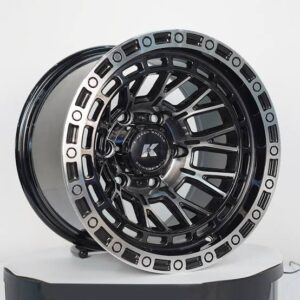
Choosing the right rim design involves balancing performance with aesthetics. Lightweight alloy or forged rims are ideal for drivers seeking better acceleration, fuel efficiency, and sharper handling. If style is your priority, chrome rims, custom-painted finishes, or larger diameter wheels may be more appealing. Finish options include matte black, gloss black, silver, bronze, polished aluminum, or multi-color custom designs. Consider your vehicle’s overall appearance, driving habits, and maintenance preferences when selecting a finish, as some options require more care than others.
Step 4 – Purchase Compatible Tires if Necessary
In many cases, upgrading rims also requires new tires. Larger rims often use low-profile tires, which improve appearance and handling but may reduce ride comfort. Seasonal tire choices are also important, especially if you live in areas with snow, rain, or extreme temperatures. Ensure that your tire selection matches your new rim size while maintaining proper load capacity and speed ratings.
Step 5 – Professional Installation
Once you’ve chosen your rims and tires, professional installation is highly recommended. This process includes mounting the tires onto the rims, balancing the wheels to prevent vibration, and performing an alignment to ensure proper steering and tire wear. Professional installation helps avoid costly mistakes and ensures your upgraded rims perform safely and efficiently.
Cost of Upgrading Car Rims
The total cost of upgrading car rims depends on several factors, including material, design, and installation requirements. Budget rims can cost as little as $200 to $600 for a full set, while mid-range options typically range from $800 to $1,500. Premium or custom rims can easily exceed $2,000 to $8,000 or more. Tire replacement may add $400 to $2,000, depending on tire type and brand. Installation, balancing, and alignment generally cost an additional $100 to $300. Hidden expenses may include TPMS sensor transfers, custom lug nuts, wheel locks, or insurance adjustments.
DIY vs Professional Rim Upgrade
Some car owners consider installing rims themselves, but this approach comes with challenges. DIY upgrades require tools such as a jack, jack stands, a torque wrench, a lug wrench, and balancing equipment. While self-installation can save money, improper mounting, incorrect torque, or balancing issues can compromise safety. Professional services provide expertise, specialized equipment, how to upgrade car rims, and reduced risk, making them the preferred choice for most drivers.
Common Mistakes to Avoid When Upgrading Rims
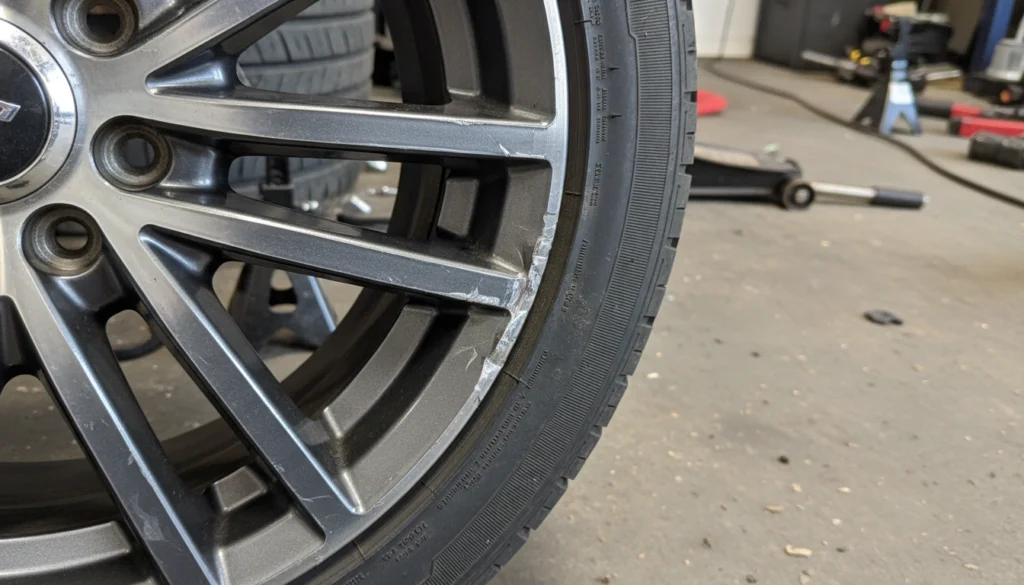
One of the biggest mistakes is choosing the wrong rim size, which can cause fitment, safety, and performance issues. Ignoring wheel offset can lead to rubbing against suspension components or fenders. Buying low-quality rims may save money initially, but can increase long-term repair costs. Skipping necessary tire upgrades can compromise handling and safety. Poor installation or neglect of regular maintenance can shorten the lifespan of your investment.
Maintaining Your New Car Rims
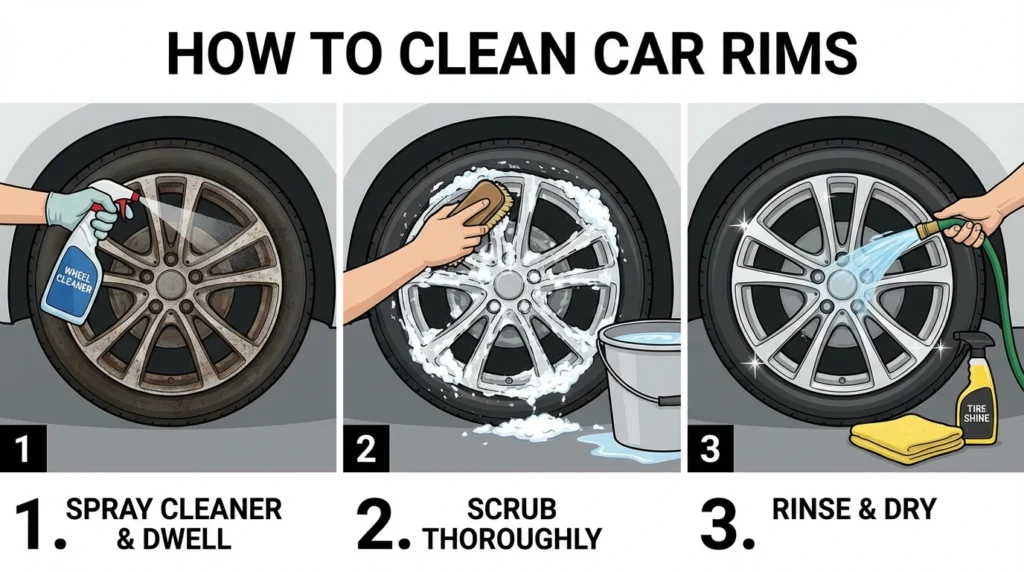
Proper maintenance is essential for preserving the appearance and performance of upgraded rims. Regular cleaning removes brake dust, dirt, and road salt that can damage finishes. Protective coatings or wax can help preserve chrome, painted, or polished rims. Tire pressure monitoring ensures optimal performance and prevents uneven wear. Regular wheel balancing checks reduce vibrations and extend tire life.
Seasonal maintenance is especially important in harsh climates where road salt or extreme temperatures can accelerate wear.
Are Bigger Rims Always Better?
Larger rims are popular for their bold appearance and improved cornering, but they are not always the best choice. Bigger rims can enhance style and responsiveness but may reduce ride comfort due to thinner tire sidewalls. Oversized rims often increase weight, potentially reducing fuel economy and acceleration. They may also cost more in both purchase price and tire replacement. Drivers should carefully consider performance trade-offs, comfort preferences, and long-term costs before upsizing.
Final Thoughts
Upgrading car rims is an excellent way to personalize your vehicle while improving performance, appearance, and resale value. However, the best rim upgrade balances style with functionality, ensuring proper sizing, material selection, and professional installation. By considering your budget, driving needs, and maintenance responsibilities, you can make an informed investment that enhances your vehicle for years to come. Whether you prioritize aesthetics, performance, or durability, choosing the right car rims is a decision worth making carefully.
Can I upgrade my car rims without changing tires?
Yes, in some cases, you can upgrade your car rims without replacing your tires, but only if the new rims are the same diameter and compatible width as your current setup. If you increase or decrease rim size significantly, new tires are usually required to maintain proper fitment, handling, and speedometer accuracy.
How much does it cost to upgrade car rims?
The cost to upgrade car rims typically ranges from $400 to $4,000 or more for a full set, depending on the material, brand, size, and design. Budget steel or alloy rims are more affordable, while forged, chrome, or custom rims are considerably more expensive. Additional costs may include tires, installation, balancing, and alignment.
Do bigger rims improve performance?
Bigger rims can improve cornering, steering response, and overall appearance, especially when paired with performance tires. However, they may also reduce ride comfort, increase road noise, and lower fuel efficiency due to added weight or reduced tire sidewall height.
Are alloy rims better than steel rims?
Alloy rims are generally lighter, more stylish, and offer better performance through improved handling and brake cooling. Steel rims, on the other hand, are more affordable, durable, and better suited for harsh road conditions or winter use.
Should I get professional installation for rim upgrades?
Yes, professional installation is strongly recommended. Experts ensure proper mounting, balancing, and alignment, which are essential for safety, tire longevity, and optimal driving performance.
Will upgrading rims affect fuel economy?
Yes, upgrading to larger or heavier rims can reduce fuel efficiency because the engine must work harder. Lightweight alloy or forged rims may help minimize this impact compared to heavier wheel options.
How long does rim installation take?
Professional rim installation usually takes between 1 and 2 hours, depending on whether new tires, balancing, or alignment services are also required.
Can upgraded rims increase resale value?
Yes, high-quality upgraded rims can enhance your vehicle’s appearance and market appeal, potentially increasing resale value—especially if the rims are stylish, well-maintained, and professionally installed.