The Ultimate Guide to Mitsubishi Parts, Engine Assemblies, Transmissions,
Introduction: Is Your Mitsubishi Running at Its Full Potential?
Here’s a question every Mitsubishi owner eventually faces: Is your vehicle performing as well today as it did the day you drove it off the lot? Whether you’re rolling in a legendary Mitsubishi Lancer Evolution, hauling loads in an L200 Triton, or commuting daily in an Outlander or Eclipse Cross, one truth remains constant — your vehicle is only as good as the parts inside it.
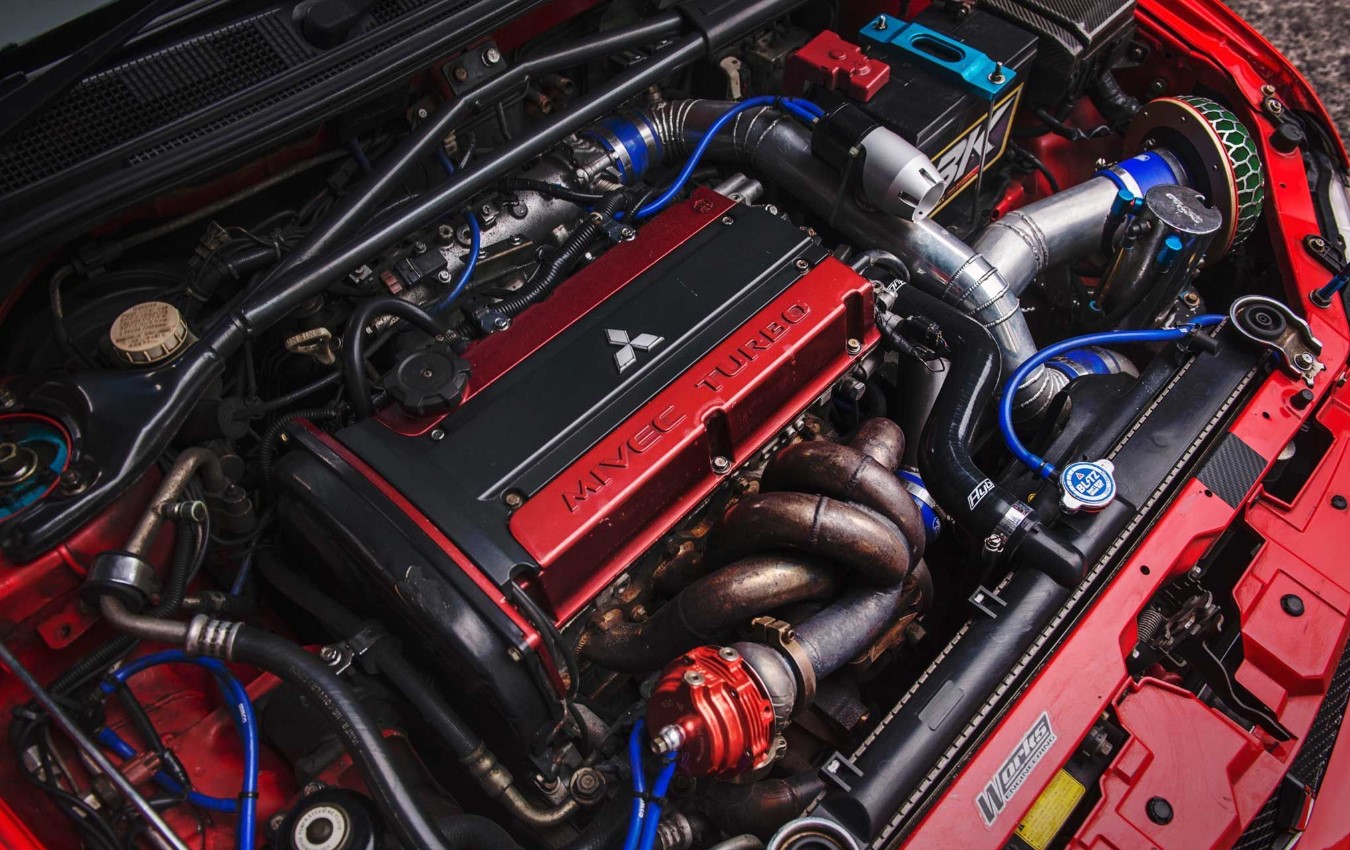
Mitsubishi vehicles are built with precision engineering and a legacy of motorsport DNA. From the iconic 4G63 turbocharged engine powering the Evo series to the dependable 4D56 diesel found in commercial fleets, Mitsubishi has always delivered performance and reliability. But over time, wear and tear takes its toll. Parts degrade. Seals crack. Performance drops. That’s where knowing your options makes all the difference.
In this comprehensive guide, we’ll cover:
- How to source the right engine assemblies and transmission components
- Performance upgrade options for enthusiasts and tuners
- Essential maintenance tips to extend your vehicle’s lifespan
- Vehicle restoration best practices for classic and modern Mitsubishis
- How to identify genuine vs. aftermarket parts — and why it matters
Whether you’re a weekend mechanic, a performance tuner building a track car, or a restorer bringing a classic Galant back to life, this guide is built for you.
1. Understanding Mitsubishi Engine Assemblies
Why the Engine Is the Heart of Your Mitsubishi
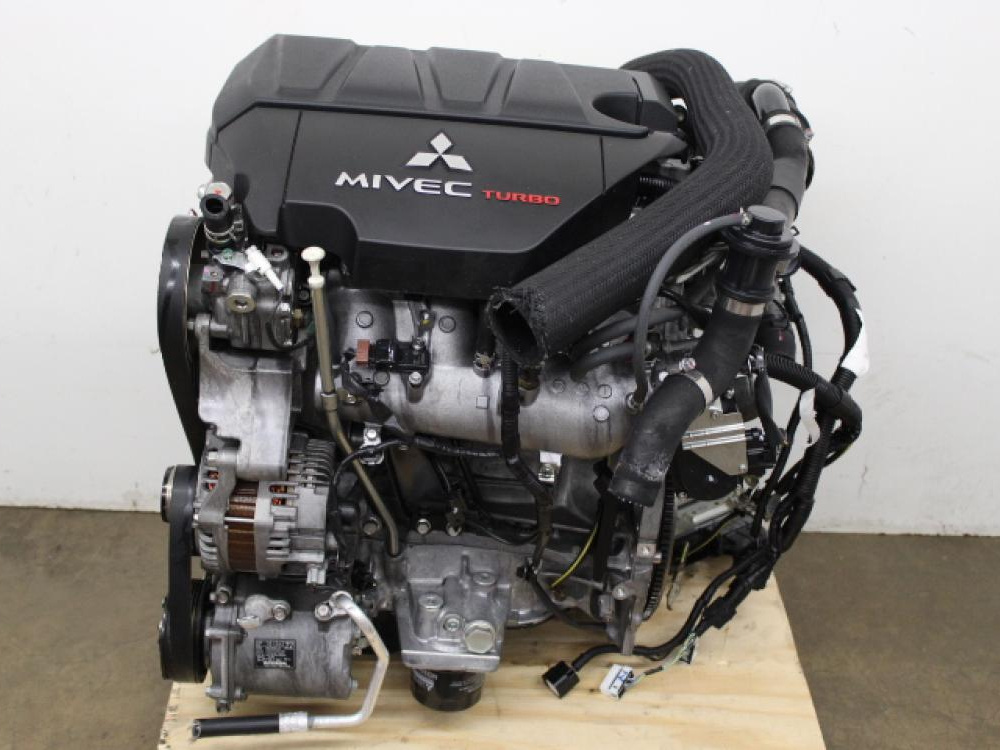
The engine is the single most important component in your vehicle. A well-maintained engine can last well over 200,000 miles — but a neglected one can fail in a fraction of that. Mitsubishi’s engine lineup is diverse, serving everything from family SUVs to high-performance sports cars.
Popular Mitsubishi Engines and Their Applications
- 4G63 / 4G63T (2.0L Turbocharged): The legendary engine behind the Lancer Evolution I through IX. Known for incredible tuning potential, this motor is highly sought after by performance enthusiasts. Properly maintained, this engine can last 150,000–200,000+ miles, but turbo builds under hard use may need rebuilding sooner.
- 4B12 (2.4L Naturally Aspirated): Found in the Outlander and Galant. A dependable daily driver engine with a reputation for longevity when serviced on schedule.
- 4D56 (2.5L Turbodiesel): The workhorse of the L200, Pajero, and Triton lineup. Commonly rebuilt for commercial use and renowned for its torque output.
- 6G74 (3.5L V6): Found in older Montero Sport and 3000GT models. A robust V6 platform favored in restoration builds.
- 4N14 (2.4L MIVEC Diesel): Modern turbodiesel found in newer Outlander and L200 models, featuring Mitsubishi’s MIVEC variable valve timing technology.
When to Replace vs. Rebuild Your Engine
A common question among Mitsubishi owners is: Should I rebuild my existing engine or buy a replacement assembly? Here’s a quick breakdown:
- Rebuild: Ideal when the engine block is structurally sound but internal components (pistons, rings, bearings, gaskets) are worn. More cost-effective for enthusiasts who want to upgrade internals at the same time.
- Replace with a JDM or remanufactured assembly: Best when the engine has suffered catastrophic failure (rod knock, seized pistons, cracked block) or when turnaround time is a priority.
- OEM replacement: The gold standard for warranty compliance and OEM spec performance. Sourced directly from Mitsubishi or authorized dealers.
Pro Tip: When purchasing a replacement engine assembly, always verify the engine code stamped on the block matches your vehicle’s VIN. Using an incompatible engine can lead to ECU communication errors and emissions compliance issues.
2. Transmission Components: Keeping Power Flowing Smoothly
Manual vs. Automatic Transmission Parts
Mitsubishi has deployed both manual and automatic transmissions across its lineup. Understanding the differences — and the parts most likely to need attention — helps you stay ahead of costly breakdowns.
Common Mitsubishi Transmissions
- W5MG1 5-Speed Manual (Lancer Evolution): A short-throw, close-ratio gearbox beloved by performance drivers. Common wear items include synchro rings (especially 2nd gear), shift forks, and the clutch assembly.
- R4AW2 / V4AW3 4-Speed Automatic (Pajero/Montero): Durable automatic suitable for off-road use. The valve body and torque converter are the most frequently replaced components.
- CVT (Continuously Variable Transmission — newer Outlander/Eclipse Cross): Mitsubishi’s modern CVT offers smooth power delivery but requires specific CVT fluid at regular intervals. Avoid using standard ATF — it degrades the belt and pulley system rapidly.
- Twin-Clutch SST (Super Street Transmission — Evo X): The dual-clutch performance gearbox in the final Evo. Fast shifts, but requires specialized clutch packs and SST fluid during service.
Key Transmission Maintenance Intervals
- Manual transmission fluid: Every 30,000–45,000 miles
- Automatic transmission fluid: Every 30,000 miles (severe use) to 60,000 miles (normal use)
- CVT fluid: Every 25,000–30,000 miles — never skip this service
- Clutch inspection (manual): Every 50,000–70,000 miles depending on driving style
3. Performance Upgrades for Mitsubishi Vehicles
Building Power the Right Way
Mitsubishi’s performance heritage is deep — the brand competed in the World Rally Championship for decades and produced homologation specials that became icons. For enthusiasts, upgrading a Mitsubishi isn’t just about speed; it’s about honoring that legacy while pushing the limits of what’s possible.
Top Performance Upgrade Categories
Engine Performance
- Turbocharger upgrades: Bolt-on upgraded turbos (TD05H-20G, TD06, EFR series) dramatically improve boost response and peak power on 4G63 and 4B11 platforms.
- Forged internals: Wiseco pistons, Eagle rods, and ACL race bearings allow the engine to handle elevated boost and power safely.
- Exhaust manifolds and downpipes: Equal-length tubular manifolds improve exhaust scavenging and spool time. A high-flow 3″ downpipe with or without a catalytic converter removes a major restriction.
- Cold air intake and intercooler upgrades: Front-mount intercoolers (FMIC) reduce intake charge temperatures significantly, enabling more aggressive timing and boost tuning.
Suspension and Handling
- Coilovers: Brands like Tein, BC Racing, and Bilstein offer application-specific coilover kits for Lancer, Galant, Outlander, and Eclipse models. Adjustable damping lets you tune for street or track.
- Strut tower braces: Dramatically stiffen the chassis for sharper turn-in response.
- Sway bar upgrades: Thicker front and rear sway bars reduce body roll during cornering.
Braking Upgrades
- Slotted or cross-drilled rotors improve heat dissipation under heavy braking.
- Upgraded brake pads (Hawk HPS, Ferodo DS2500) for improved bite and fade resistanc.e
- Stainless steel braided brake lines for firmer, more consistent pedal feel
Drivetrain
- Limited-slip differentials (LSD): Vital for performance driving. Torsen or clutch-type LSDs transform cornering ability.
- Upgraded clutch kits: Exedy, ACT, and OS Giken offer high-clamping-force clutch assemblies for modified vehicles.
- Driveshafts and axles: Strengthened CV axles are essential once power exceeds 350+ whp to prevensnappingap and binding.
4. Essential Mitsubishi Maintenance Guide
Preventive Maintenance: The Foundation of Longevity
The most cost-effective investment you can make in your Mitsubishi is routine preventive maintenance. Neglected service intervals are the number one cause of premature part failure — and the number one reason owners end up needing expensive engine or transmission replacements.
Core Maintenance Schedule
- Engine oil and filter: Every 3,000–5,000 miles (conventional) or 5,000–7,500 miles (synthetic). Use Mitsubishi-specified viscosity grades (commonly 5W-30 or 0W-20 for newer models).
- Timing belt/chain: Timing belts (4G63, 4D56) should be replaced every 60,000 miles. Interference engines — which most Mitsubishi motors are — will suffer catastrophic valve damage if the belt breaks.
- Spark plugs: Iridium plugs last 60,000–100,000 miles. On turbocharged applications, consider replacing every 30,000 miles for optimal combustion efficiency.
- Coolant flush: Every 30,000 miles or 2 years. Always use Mitsubishi-approved long-life coolant to prevent corrosion in the aluminum components.
- Air filter: Every 15,000–30,000 miles. More frequently in dusty environments.
- Fuel filter: Every 30,000 miles on older models. Newer vehicles with in-tank filters may go 60,000–100,000 miles.
- Brake fluid: Every 2 years regardless of mileage. Brake fluid absorbs moisture over time, reducing boiling point and braking performance.
Warning Signs You Shouldn’t Ignore
- Check Engine Light (CEL) — always diagnose promptly; don’t assume it’s harmless
- Rough idle or misfires — could indicate injector, ignition, or compression issues
- Transmission slipping or delayed engagement — fluid degradation or worn clutch packs
- Overheating — thermostat, water pump, head gasket, or coolant leak
- Oil consumption beyond 1 quart per 1,000 miles — worn piston rings or valve seals
5. Mitsubishi Vehicle Restoration Tips
Bringing a Classic Mitsubishi Back to Life
Restoring a classic Mitsubishi — be it a first-generation Eclipse GSX, a 3000GT VR-4, a Starion, or a vintage Galant — is a labor of love. These vehicles represent engineering milestones, and with the right parts sourcing strategy and patience, they can be returned to showroom condition or beyond.
Step-by-Step Restoration Framework
- Document everything first. Before disassembly, photograph the entire vehicle — every corner, every cable routing, every bracket. You’ll thank yourself later.
- Assess the body and chassis. Rust is the enemy. Address frame and floorboard rust before spending money on mechanical components. A beautiful engine in a rotten chassis is a wasted effort.
- Source OEM and NOS parts strategically. For older models, new old stock (NOS) OEM parts are available through specialist suppliers and Japanese import dealers. Sites like MitsubishiAutoStore.com maintain inventories of hard-to-find OEM and compatible replacement parts.
- Rebuild or replace the engine. Decide early whether you’re doing a matching-numbers restoration (using original engine codes for authenticity) or a restomod (upgrading to a newer, more powerful powerplant).
- Electrical system overhaul. Old wiring harnesses become brittle. Replace or repair section by section, never all at once.
- Suspension refresh. Replace all rubber bushings, ball joints, tie rod ends, and wheel bearings. After 20–30 years, nothing original is still performing as designed.
- Detail and protect. Once mechanically sound, professional detailing, paint correction, and ceramic coating preserve your investment for decades.
Where to Source Mitsubishi Restoration Parts
- OEM dealers: Best for newer models (2005+). Limited availability for vintage models.
- JDM importers: Japan-spec engines and parts are often in better condition than US equivalents due to strict JCI inspection programs.
- Specialty e-commerce stores: MitsubishiAutoStore.com offers a curated catalog of genuine and quality-matched Mitsubishi replacement parts, from engine gasket kits to full transmission rebuilds.
- Forums and enthusiast communities: EvoM, MitsubiWorld, and 3SI (3000GT/Stealth International) are treasure troves of used OEM parts and expert knowledge.
6. Genuine OEM vs. Aftermarket Mitsubishi Parts: Which Should You Choose?
Understanding the Difference
One of the most frequently debated topics among Mitsubishi owners is whether to use genuine OEM (Original Equipment Manufacturer) parts or quality aftermarket alternatives. The answer isn’t always black and white — it depends on the application, your budget, and your goals.
When to Use OEM Parts
- Vehicles still under factory or extended warranty
- Safety-critical components: airbag assemblies, ABS modules, brake master cylinders
- Engine internals on daily drivers where reliability is paramount
- Matching-numbers restorations where authenticity matters
When Aftermarket Parts Make Sense
- Performance applications where OEM parts are a limiting factor (turbo upgrades, forged internals)
- High-wear consumables like brake pads, where premium aftermarket options (Hawk, EBC) outperform OEM
- Older models where OEM parts are discontinued, and quality aftermarket alternatives are the only option
- Budget-conscious repairs on high-mileage vehiclesare not worth investing in OEM prices
Important Note: Avoid ultra-cheap “no-name” parts from unknown suppliers, particularly for suspension, braking, and engine components. The cost savings rarely outweigh the safety and reliability risks. Always purchase from reputable suppliers with verified fitment data.
Conclusion: Keep Your Mitsubishi Strong for the Long Road Ahead
Your Mitsubishi was engineered for performance, dependability, and longevity. Whether you’re maintaining a daily driver, tuning a performance build, or restoring a classic, the quality of the parts you use directly determines how well — and how long — your vehicle performs.
Here’s a quick recap of what we’ve covered:
- Mitsubishi’s engine lineup is diverse and purpose-built — understand your specific engine to service it correctly
- Transmission maintenance (especially CVT fluid) is critically overlooked and critically important
- Performance upgrades should be systematic, starting with supporting modifications before chasing horsepower
- Preventive maintenance is the single best investment you can make in your Mitsubishi
- Restoration requires patience, a solid parts sourcing strategy, and attention to chassis integrity before cosmetics
- Choosing between OEM and aftermarket parts depends on your specific use case — there’s no universal answer
Ready to get the right parts for your Mitsubishi? Shop MitsubishiAutoStore.com today and explore our full catalog of engine assemblies, transmission components, performance upgrades, and OEM replacement parts — with expert support and fast shipping to get your vehicle back on the road where it belongs.
Frequently Asked Questions (FAQs)
Q1: How long do Mitsubishi engines typically last?
With proper maintenance, most Mitsubishi engines last between 150,000 and 250,000 miles. The 4D56 diesel and naturally aspirated 4-cylinder variants are particularly known for longevity. Turbocharged engines like the 4G63 can last just as long when maintained properly, but performance-modified builds have shorter service intervals due to higher stress loads.
Q2: How often should I service my Mitsubishi’s CVT transmission?
Mitsubishi recommends CVT fluid changes every 25,000–30,000 miles under normal driving conditions. In hotter climates or under towing/performance use, change it every 20,000 miles. Always use Mitsubishi-specified CVT fluid — generic ATF will damage the belt-and-pulley system over time.
Q3: Are JDM (Japanese Domestic Market) Mitsubishi engines reliable for swaps or replacements?
Yes — JDM engines are generally considered high-quality options for replacement or swap builds. Japan’s strict vehicle inspection (Shaken) program means engines are regularly maintained. JDM units often have lower mileage than comparable US engines due to Japan’s average annual mileage being significantly lower. Always request compression test results and verify oil condition before purchasing.
Q4: What are the best performance upgrades for a Mitsubishi Lancer Evolution?
For a Stage 1 street build, start with: an upgraded intercooler, 3″ downpipe, cold air intake, and an ECU tune targeting 280–320whp. For Stage 2+, add upgraded fuel injectors, an aftermarket turbo (TD05H or larger), and forged internals if targeting beyond 350whp. Always upgrade brakes and suspension in parallel with power increases.
Q5: Where can I buy genuine or high-quality Mitsubishi replacement parts online?
For a reliable, curated selection of genuine OEM and quality replacement Mitsubishi parts — including engine assemblies, transmission components, gasket kits, and performance upgrades — visit MitsubishiAutoStore.com. Their catalog is organized by model and year for easy fitment verification, with knowledgeable support staff available to assist with complex or hard-to-find parts requests.