Mitsubishi Autostore

Car Taillight

Car taillights are essential safety components designed to enhance visibility and communication on the road. Positioned at the rear of a vehicle, taillights illuminate when headlights are turned on and become brighter when the brakes are applied, alerting drivers behind you to your actions. Whether you are driving at night, in fog, or during heavy rain, properly functioning taillights help prevent accidents and ensure a safer driving experience.

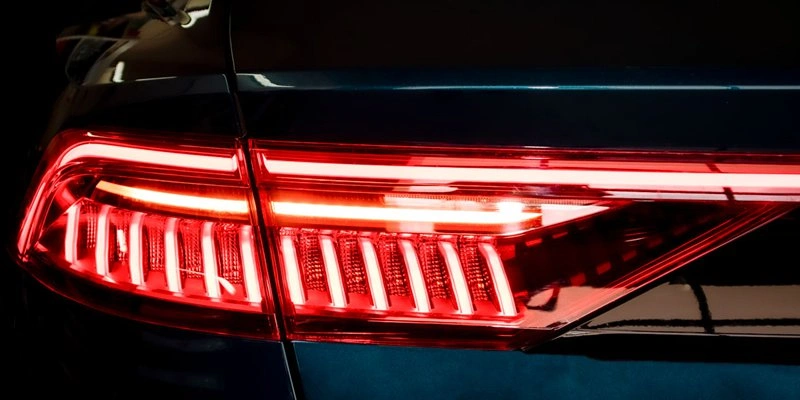
Modern car taillights come in a variety of styles, including LED, halogen, and OLED options. LED taillights are especially popular due to their energy efficiency, long lifespan, and brighter illumination. Many vehicles also feature advanced designs such as sequential turn signals and smoked lenses, adding both functionality and a sleek aesthetic to your car.

In this category, you will find a wide range of car taillights compatible with different makes and models. From direct replacement units to custom aftermarket upgrades, these products are designed for easy installation and reliable performance. High-quality materials ensure durability against weather conditions, vibrations, and daily wear.

Whether you need to replace a damaged taillight or upgrade your vehicle’s appearance, choosing the right taillight is crucial for both safety and style.

Where to Get A Tail Light Replaced
Car Taillight

Where to Get A Tail Light Replaced?

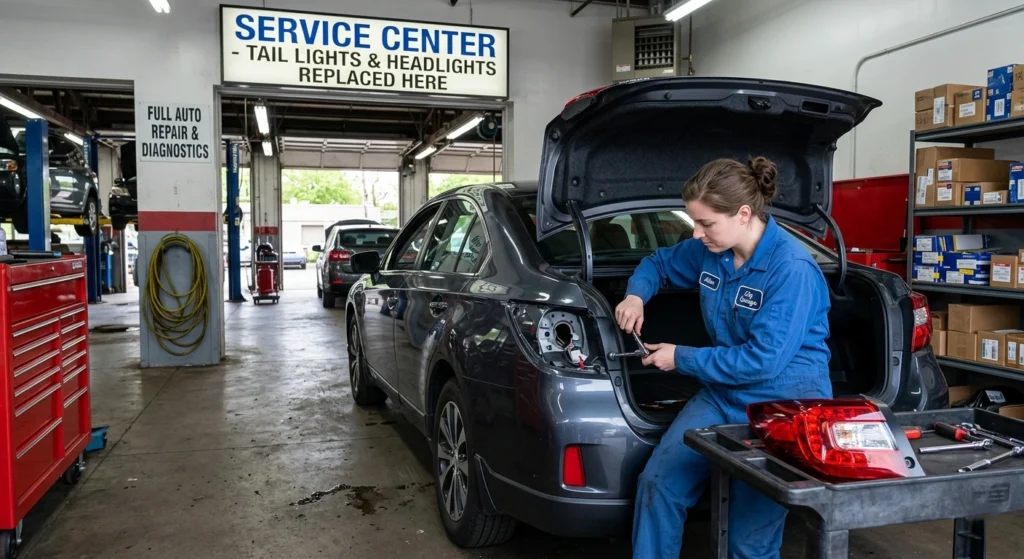
Tail lights are one of the most important safety components of any vehicle, including cars and trucks, as they include brake lights, reverse lights, and rear indicators that help ensure safe driving for you and others on the road. If any of these lights stop working or get damaged, it is essential to replace them quickly to avoid accidents and legal issues. You can get a tail light replaced at auto parts stores like AutoZone or O’Reilly Auto Parts, where bulb replacements are often quick and low-cost with the purchase of parts. Quick-lube service centers such as Valvoline and Jiffy Lube also offer fast tail light replacement services, while more serious damage to the tail light assembly may require help from mobile mechanics like Wrench or professional local body shops. The cost of tail light replacement can vary widely depending on the type of repair needed. A simple bulb replacement may cost around $15–$75, while a full assembly replacement typically ranges from $80 to $150 for standard vehicles and can go over $400 for luxury models. In some cases, dealership or advanced LED tail light repairs may exceed $1,000, while DIY solutions can be as low as $50–$60. Where to get a tail light replaced and the associated costs help drivers choose the most convenient and budget-friendly option while maintaining road safety and legal compliance. What is a Tail Light and Why It Matters? A tail light is a set of rear vehicle lights that play a crucial role in road safety. It is usually located at the back of a car and includes different lighting functions such as brake lights, reverse lights, and indicators. Each part has a specific purpose: brake lights warn other drivers when you are slowing down or stopping, reverse lights help illuminate the area when you move backward, and indicators show your turning direction. Understanding the difference between brake lights, tail lights, and indicators is important because many drivers often confuse these terms, but each one serves a unique safety function. Tail lights are not only important for visibility but also for legal compliance. Driving with a broken or non-working tail light can lead to fines, traffic violations, and increased risk of accidents, especially at night or in bad weather conditions. That is why maintaining proper lighting is essential for every driver. If any part of the tail light system gets damaged, it should be repaired or replaced immediately to ensure safety on the road. If you are wondering where to get a tail light replaced, you can visit auto parts stores, service centers, or professional mechanics who specialize in quick and reliable tail light replacement services. Is It Illegal to Drive with a Broken Tail Light Cover? Driving with a broken tail light cover is often considered a traffic violation in many regions because it directly affects vehicle safety and road visibility. In simple terms, if your tail light is damaged, dim, or not functioning properly, it can be treated as illegal under traffic laws, depending on local regulations. The phrase “is it illegal to drive with a broken tail light cover?” usually depends on whether the light is still visible and working correctly, but in most cases, law enforcement officers may stop your vehicle and issue a warning or fine. From a traffic law perspective, tail lights are mandatory safety equipment, and failure to maintain them can result in penalties, inspection failure, or even vehicle registration issues in some areas. More importantly, a broken tail light significantly increases the risk of rear-end collisions because other drivers may not see your braking or turning signals clearly. At night or during poor weather conditions, the danger becomes even higher, as visibility is already reduced. This is why experts strongly recommend fixing the issue immediately. If you are unsure where to get a tail light replaced, you can visit auto service centers or professional mechanics to ensure your vehicle remains safe and compliant with road laws. Where to Get a Tail Light Replaced Choosing the right place for tail light replacement depends on your budget, time, and the type of damage. You can go to local repair shops, official dealership centers, auto parts stores, or quick service centers, depending on your needs. Below is a detailed breakdown to help you decide the best option for where to get a tail light replaced. 1. Local Auto Repair Shops Local auto repair shops are one of the fastest and most affordable options for tail light replacement. Most neighborhood mechanics can quickly diagnose the issue and replace a broken bulb or damaged tail light cover within a short time. This makes them a convenient choice for drivers who need urgent repairs without waiting for appointments. Another major advantage is cost flexibility. Prices at local shops are usually lower compared to dealerships, and you may also have room to negotiate depending on the repair complexity. However, the quality of service can vary from shop to shop, so choosing a trusted mechanic is important to ensure proper installation and safety. 2. Dealership Service Centers Dealership service centers, such as Honda or Ford authorized workshops, are the most reliable option for vehicle-specific tail light replacement. These centers use original manufacturer parts, ensuring a perfect fit and long-term durability. If you are searching for a tail light replacement Honda Accord or where to get a tail light replaced Ford, dealership service is often the safest choice. The main advantage is the guarantee of genuine parts and professional installation by trained technicians. However, the cost is usually higher than that of local repair shops, and appointment waiting times may be longer. 3. Auto Parts Retailers Auto parts retailers like AutoZone are popular for quick and budget-friendly tail light solutions. They usually provide replacement bulbs and basic parts at affordable prices. Many people ask, “Does AutoZone replace brake light bulbs?” In most locations, they offer free or low-cost bulb replacement when you purchase the part, but full tail light assembly installation may not always

What Is a Tail Light
Car Taillight

What Is a Tail Light? Simple Guide for Car Owners

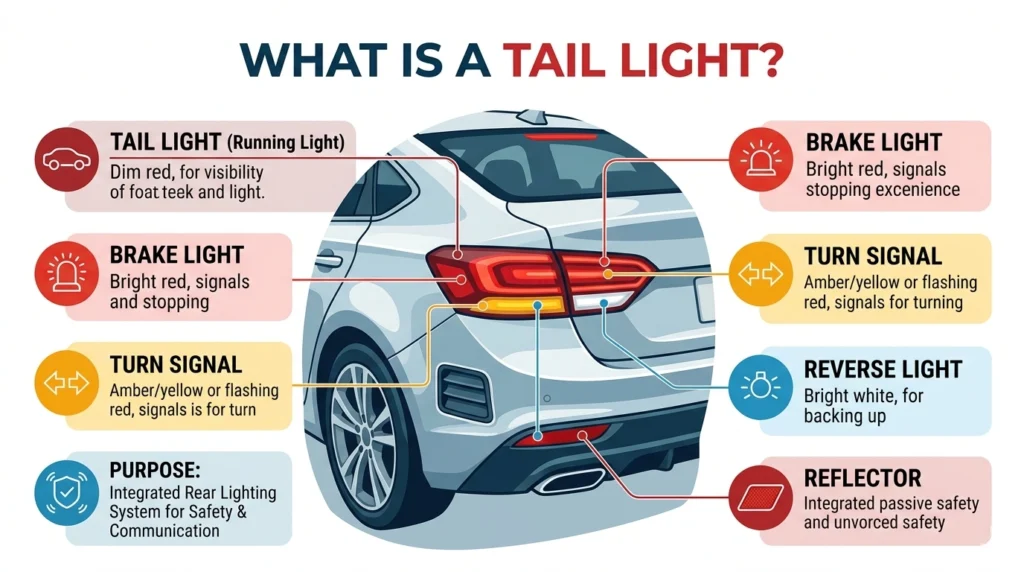
A tail light is the rear light on a vehicle that helps other drivers see your car in low-light or poor visibility conditions. It usually turns on with the headlights or parking lights and plays an important role in road safety. A tail light is a red safety light mounted at the rear of a vehicle that usually turns on with the headlights, parking lights, or automatic lighting system to improve visibility in low-light conditions such as night, fog, or rain. It is one of the most important rear lighting components because it helps make your vehicle clearly visible to other drivers and may reduce the risk of rear-end collisions. In many vehicles, the rear light assembly also includes the brake light, which glows brighter when the driver presses the brake pedal, along with separate lights for reversing and turn signals. Overall, tail lights play a vital role in road safety by helping communicate your vehicle’s presence and position to others on the road. What Is a Tail Light? A tail light is a red light located at the rear of a vehicle. Its main purpose is to make the vehicle visible to other road users in low-light and poor-visibility conditions, such as at night, during heavy rain, in fog, or inside dark parking areas. Unlike brake lights, which become brighter when the driver presses the brake pedal, tail lights usually stay on at a steady, lower brightness level while the headlights or parking lights are switched on. This helps drivers behind you see your vehicle’s position, width, and presence on the road more clearly. From an automotive safety perspective, tail lights are essential because they improve rear visibility and support safer driving in conditions where a vehicle might otherwise be difficult to notice. They are especially important for preventing confusion and reducing the chance of rear-end accidents when visibility is limited. In many modern vehicles, the tail light may be part of a larger rear lighting assembly that also includes the brake light, turn signal, and reverse light. However, the exact design, brightness, bulb type, and activation method can vary depending on the vehicle model, manufacturer, and the instructions provided in the owner’s manual. What Are Tail Lights Used For? What is a Tail Light, Tail lights are used to make a vehicle visible from behind, especially in low-light or poor-weather conditions. Their primary purpose is to help other drivers quickly notice your car’s presence, position, and width on the road. This is particularly important during night driving, when reduced natural light can make it harder for drivers to judge distance and spot vehicles ahead. By glowing steadily at the rear of the vehicle, tail lights provide a clear visual signal that improves overall road awareness. Tail lights are also highly useful in bad weather conditions such as rain, fog, mist, or heavy clouds, where visibility may drop significantly. In these situations, they help other motorists detect your vehicle earlier and react more safely. They can also make a parked vehicle easier to identify in dark streets, parking lots, or roadside areas. From a safety standpoint, this added visibility may help reduce the risk of rear-end collisions, especially when traffic is moving slowly or stopping unexpectedly. Tail lights support general road safety compliance, since proper rear lighting is an important part of safe vehicle operation. While exact lighting systems may vary by vehicle, the main use of tail lights remains the same: helping others see your vehicle clearly and respond appropriately. Where Is the Rear Tail Light Located? What is a Tail Light, The rear tail light is usually located at the left and right rear corners of a vehicle. These lights are positioned this way so that other drivers can clearly see the vehicle’s width, outer edges, and location on the road, especially in low-light conditions. In most cars, the rear tail light is built into a visible housing on both sides of the back end, making it easier for vehicles behind to recognize the car’s presence from a distance. The exact design and placement of a rear tail light can vary depending on the type of vehicle. Sedans often have compact tail light units that wrap slightly around the rear corners, while SUVs and trucks may use larger and higher-positioned rear lighting assemblies for better visibility. Motorcycles usually have a more central rear light design, although the function remains the same. Some modern vehicle designs also extend the tail light across part of the trunk or rear hatch for styling and visibility purposes. The rear tail light assembly includes more than just the tail light itself. It may also contain the brake light, turn signal, and reverse light in a single unit. Although these lights share one housing, each one serves a different purpose, and the layout can vary by manufacturer and model. Tail Light or Taillight: Which One Is Correct? When people search for tail light or taillight, they are usually asking the same thing, and the good news is that both spellings are commonly used. Taillight is the closed compound form, while tail light is the open two-word version. In everyday writing, automotive blogs, product listings, and repair guides, you may see either one depending on the brand style or editorial preference. Neither form is universally wrong in general usage, although one may be preferred over the other in specific publications. How Does a Tail Light Work? A tail light works by connecting to the vehicle’s electrical system and turning on when the headlight switch or parking light setting is activated. Once the driver switches on the lights, electrical power flows through the circuit to the rear lighting unit, causing the tail light to illuminate. Its job is not to shine brightly like a brake light, but to provide a steady rear light that makes the vehicle visible in low-light conditions. Several components help the tail light function properly. These typically include the bulb or light source, fuse, wiring, socket, and outer lens. The fuse protects the lighting circuit from electrical overload, while the wiring carries power from the battery and switch to the rear

Scroll to Top