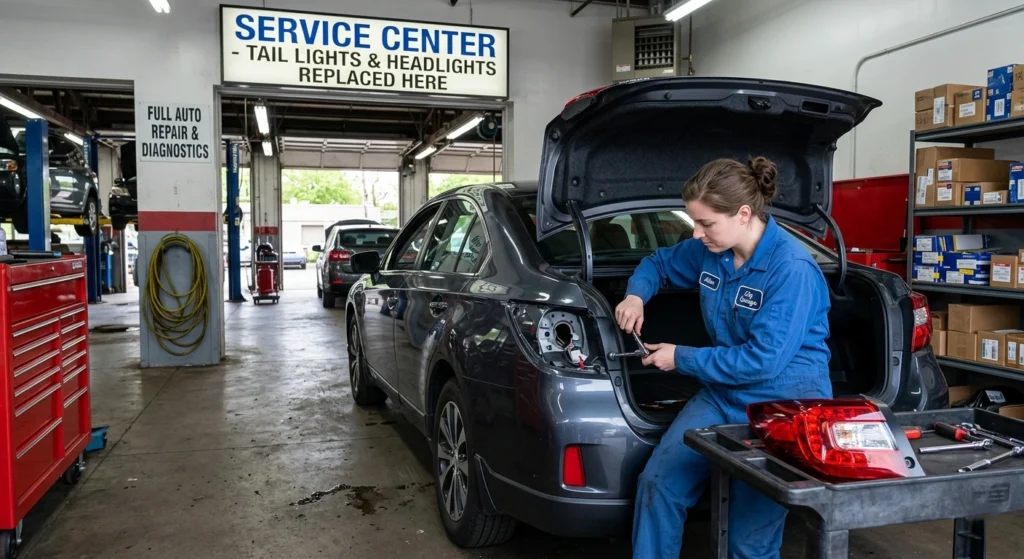
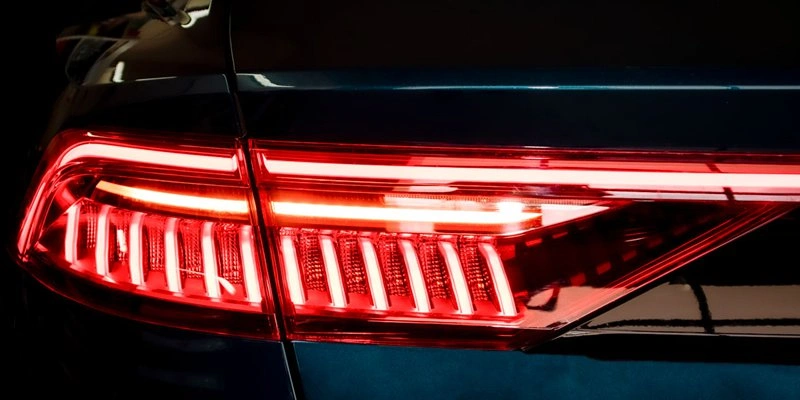
A tail light is the rear light on a vehicle that helps other drivers see your car in low-light or poor visibility conditions. It usually turns on with the headlights or parking lights and plays an important role in road safety.
A tail light is a red safety light mounted at the rear of a vehicle that usually turns on with the headlights, parking lights, or automatic lighting system to improve visibility in low-light conditions such as night, fog, or rain. It is one of the most important rear lighting components because it helps make your vehicle clearly visible to other drivers and may reduce the risk of rear-end collisions.
In many vehicles, the rear light assembly also includes the brake light, which glows brighter when the driver presses the brake pedal, along with separate lights for reversing and turn signals. Overall, tail lights play a vital role in road safety by helping communicate your vehicle’s presence and position to others on the road.
What Is a Tail Light?
A tail light is a red light located at the rear of a vehicle. Its main purpose is to make the vehicle visible to other road users in low-light and poor-visibility conditions, such as at night, during heavy rain, in fog, or inside dark parking areas.
Unlike brake lights, which become brighter when the driver presses the brake pedal, tail lights usually stay on at a steady, lower brightness level while the headlights or parking lights are switched on. This helps drivers behind you see your vehicle’s position, width, and presence on the road more clearly.
From an automotive safety perspective, tail lights are essential because they improve rear visibility and support safer driving in conditions where a vehicle might otherwise be difficult to notice. They are especially important for preventing confusion and reducing the chance of rear-end accidents when visibility is limited.
In many modern vehicles, the tail light may be part of a larger rear lighting assembly that also includes the brake light, turn signal, and reverse light. However, the exact design, brightness, bulb type, and activation method can vary depending on the vehicle model, manufacturer, and the instructions provided in the owner’s manual.
What Are Tail Lights Used For?
What is a Tail Light, Tail lights are used to make a vehicle visible from behind, especially in low-light or poor-weather conditions. Their primary purpose is to help other drivers quickly notice your car’s presence, position, and width on the road. This is particularly important during night driving, when reduced natural light can make it harder for drivers to judge distance and spot vehicles ahead. By glowing steadily at the rear of the vehicle, tail lights provide a clear visual signal that improves overall road awareness.
Tail lights are also highly useful in bad weather conditions such as rain, fog, mist, or heavy clouds, where visibility may drop significantly. In these situations, they help other motorists detect your vehicle earlier and react more safely. They can also make a parked vehicle easier to identify in dark streets, parking lots, or roadside areas. From a safety standpoint, this added visibility may help reduce the risk of rear-end collisions, especially when traffic is moving slowly or stopping unexpectedly.
Tail lights support general road safety compliance, since proper rear lighting is an important part of safe vehicle operation. While exact lighting systems may vary by vehicle, the main use of tail lights remains the same: helping others see your vehicle clearly and respond appropriately.
Where Is the Rear Tail Light Located?
What is a Tail Light, The rear tail light is usually located at the left and right rear corners of a vehicle. These lights are positioned this way so that other drivers can clearly see the vehicle’s width, outer edges, and location on the road, especially in low-light conditions. In most cars, the rear tail light is built into a visible housing on both sides of the back end, making it easier for vehicles behind to recognize the car’s presence from a distance.
The exact design and placement of a rear tail light can vary depending on the type of vehicle. Sedans often have compact tail light units that wrap slightly around the rear corners, while SUVs and trucks may use larger and higher-positioned rear lighting assemblies for better visibility. Motorcycles usually have a more central rear light design, although the function remains the same. Some modern vehicle designs also extend the tail light across part of the trunk or rear hatch for styling and visibility purposes.
The rear tail light assembly includes more than just the tail light itself. It may also contain the brake light, turn signal, and reverse light in a single unit. Although these lights share one housing, each one serves a different purpose, and the layout can vary by manufacturer and model.
Tail Light or Taillight: Which One Is Correct?
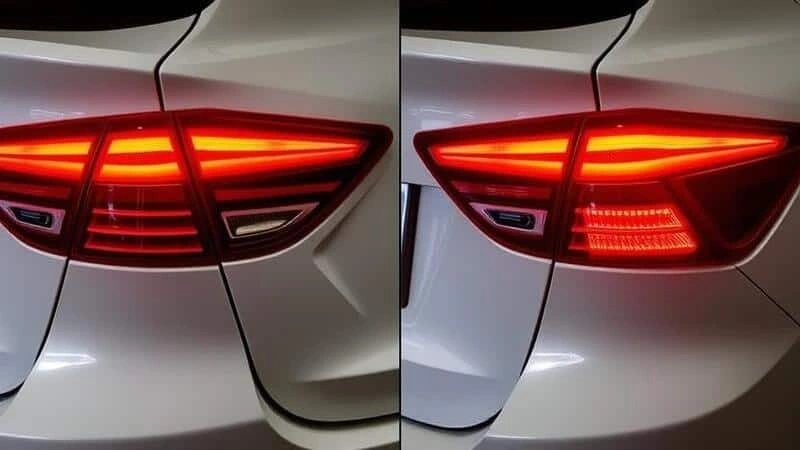
When people search for tail light or taillight, they are usually asking the same thing, and the good news is that both spellings are commonly used. Taillight is the closed compound form, while tail light is the open two-word version. In everyday writing, automotive blogs, product listings, and repair guides, you may see either one depending on the brand style or editorial preference. Neither form is universally wrong in general usage, although one may be preferred over the other in specific publications.
How Does a Tail Light Work?
A tail light works by connecting to the vehicle’s electrical system and turning on when the headlight switch or parking light setting is activated. Once the driver switches on the lights, electrical power flows through the circuit to the rear lighting unit, causing the tail light to illuminate. Its job is not to shine brightly like a brake light, but to provide a steady rear light that makes the vehicle visible in low-light conditions.
Several components help the tail light function properly. These typically include the bulb or light source, fuse, wiring, socket, and outer lens. The fuse protects the lighting circuit from electrical overload, while the wiring carries power from the battery and switch to the rear of the vehicle. The socket holds the bulb securely in place, and the red lens helps project the correct color and spread of light. If any of these parts fail, the tail light may stop working or become dim.
In modern vehicles, tail light systems may use traditional halogen bulbs, energy-efficient LED units, or integrated light modules. LEDs are especially common because they last longer, respond quickly, and require less maintenance. However, the exact setup can vary depending on the vehicle model, manufacturer, and lighting design used in the rear assembly.
Tail Light Bulb Explained
A tail light bulb is the light source inside the tail light assembly that provides steady illumination at the rear of a vehicle. It is fitted within the tail light housing and turns on automatically when the headlights or parking lights are activated. Its main function is to keep the vehicle clearly visible to other drivers during low-light conditions such as night driving, rain, fog, or poor visibility.
From a vehicle safety perspective, the tail light bulb is very important. When it works properly, other drivers can easily understand the vehicle’s position, width, and presence on the road. If the bulb fails, rear visibility decreases, which can create a serious road safety issue.
1. Common Types of Tail Light Bulb
Not all tail light bulbs are the same. Different vehicles use different technologies, such as:
- Halogen bulbs – Very common, affordable, and easy to replace
- LED bulbs – More durable, energy-efficient, and widely used in modern vehicles
- Incandescent bulbs – Older technology, now less commonly used
2. Signs of a Bad Tail Light Bulb
A faulty tail light bulb may show several common problems:
- Tail light not working at all
- Light appears dim
- One side of the rear light works while the other does not
- The bulb warning appears on the dashboard
3. When to Replace a Tail Light Bulb
You should replace the bulb as soon as it becomes burnt out, dim, or starts flickering. A faulty tail light bulb not only reduces visibility but also increases the risk of rear-end collisions. It is always best to follow the owner’s manual and use the correct bulb type for timely replacement.
Is Tail Light and Brake Light the Same Bulb?
If you are wondering is tail light and brake light the same bulb, the answer is not always. They are not the same in every vehicle, because lighting systems vary by model, design, and manufacturer. In some cars, a single bulb handles both functions, while in others, the tail light and brake light operate through separate bulbs or separate LED circuits.
1. Cars That Use the Same Bulb for Tail Light and Brake Light
Many vehicles use a dual-filament bulb. In this setup, one filament provides the tail light function, which stays on when the headlights or parking lights are activated, and the second filament becomes brighter when the brake pedal is pressed. This allows one bulb to perform both jobs inside the same tail light assembly.
2. Cars That Use Separate Bulbs or Circuits
Other vehicles are designed with separate bulbs for the tail light and brake light. In newer models, especially those with LED lighting, the system may use separate LED sections or independent circuits instead of a traditional bulb. This design can improve lighting performance, styling, and serviceability.
3. How to Check Your Vehicle’s Setup
The easiest way to confirm your setup is to check the owner’s manual, inspect the bulb type, or look at the tail light assembly design. So, are the tail light and brake light the same bulb? Sometimes yes, sometimes no; it all depends on how your specific vehicle was built.
Tail Light and Brake Light Bulb: What’s the Difference?
A tail light and brake light bulb may look similar, but the two lighting functions are not the same. A tail light provides lower-intensity illumination and stays on when the headlights or parking lights are activated. Its purpose is to make the vehicle visible from the rear in low-light conditions. A brake light, on the other hand, is much brighter because it signals that the driver is slowing down or stopping.
This is why many drivers confuse the two. Both lights are located in the rear lighting assembly, and in some vehicles, they may even share the same bulb. When that happens, the tail light and brake light bulb usually have a dual-intensity design. One level of brightness works as the tail light, while the brighter level activates when the brake pedal is pressed.
The tail light and brake light use separate bulbs or dedicated circuits. This setup is common in newer models, especially those with LED lighting systems. Understanding this difference is helpful for basic fault diagnosis. For example, if the tail light works but the brake light does not, the issue may be with the brake circuit, switch, or bulb filament. If both stop working, the problem could involve wiring, a fuse, or the full rear light assembly.
How to Turn On Tail Lights
If you are wondering how to turn on tail lights, the process is simple in most vehicles. Tail lights usually come on through the headlight switch, parking light setting, or auto light mode, depending on the vehicle’s design. In many cars, you may first need to turn the ignition on or place the vehicle in accessory mode so the lighting controls can operate properly.
Next, locate the light control stalk on the steering column or the dashboard light switch. Turn the switch to the parking light position or the headlight position. Once activated, the tail lights at the rear of the vehicle should illuminate. It is a good idea to walk around the car or check the reflections to confirm the rear lights are working correctly.
Some modern vehicles have an automatic light sensor that switches the lights on when outside conditions become dark. However, drivers should remember that daytime running lights are not the same as tail lights. In some vehicles, daytime running lights only illuminate the front and do not activate the rear lights.
Why Tail Lights Matter for Road Safety
Tail lights play a critical role in keeping roads safe by ensuring your vehicle remains visible to others at all times. They help alert other drivers to your presence, especially from the rear, where visibility can easily be reduced during nighttime driving or in poor weather conditions. This simple yet essential function allows drivers behind you to maintain a safe distance and react appropriately.
Properly functioning tail lights support compliance with standard traffic safety requirements followed in most regions. While specific regulations may vary, maintaining operational rear lights is widely recognized as a basic responsibility for safe driving.
Tail lights are particularly important in low-visibility conditions such as fog, heavy rain, or dim lighting. In these situations, they act as a clear signal that helps other drivers detect your vehicle’s position and movement on the road. This improved awareness significantly reduces confusion and enhances overall traffic flow.
Most importantly, tail lights help prevent accidents. By making your vehicle clearly visible and signaling your presence, you reduce the risk of rear-end collisions. Even though they may seem like a small component, tail lights contribute greatly to safer driving conditions and responsible vehicle operation.
Tail Light Maintenance Tips
Keeping your tail lights in good condition is essential for safety and visibility on the road. Regular inspections should be part of your routine, allowing you to quickly spot issues like dim bulbs, cracks, or malfunctioning lights before they become serious problems. A simple visual check every few weeks can make a big difference.
Always keep the tail light lens clean. Dirt, dust, and mud can reduce brightness and make your vehicle less visible to others. Gently cleaning the lens with a soft cloth and mild cleaner helps maintain clear and effective lighting.
It’s also important to check bulb brightness. If a light appears dim or uneven compared to the other side, it may be time for a replacement. Consistent brightness ensures that other drivers can accurately judge your position and distance.
If the housing is cracked or damaged, replace it as soon as possible. A broken housing can expose internal components to moisture and dust, leading to further damage. Preventing water leakage is crucial, as moisture can cause bulbs to fail or create electrical issues.