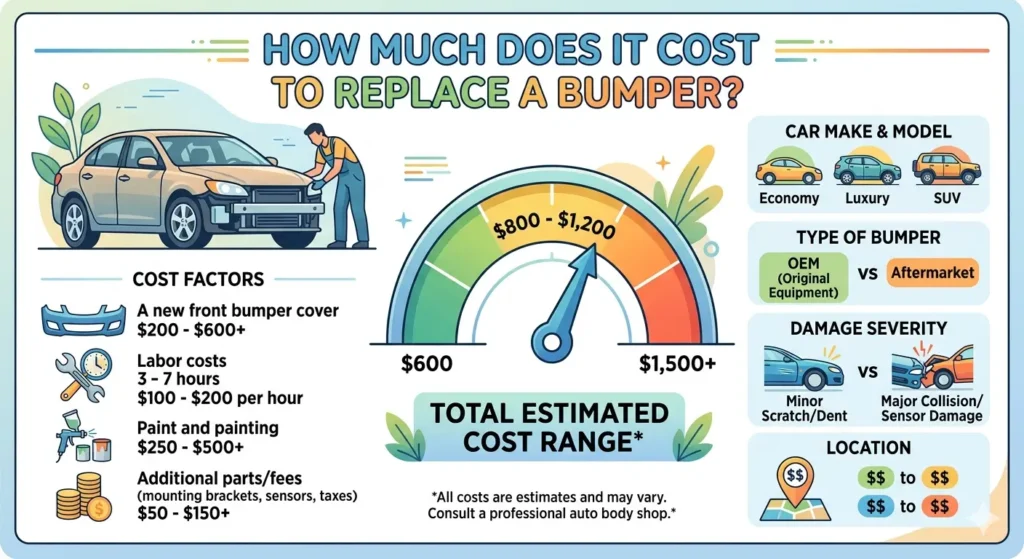
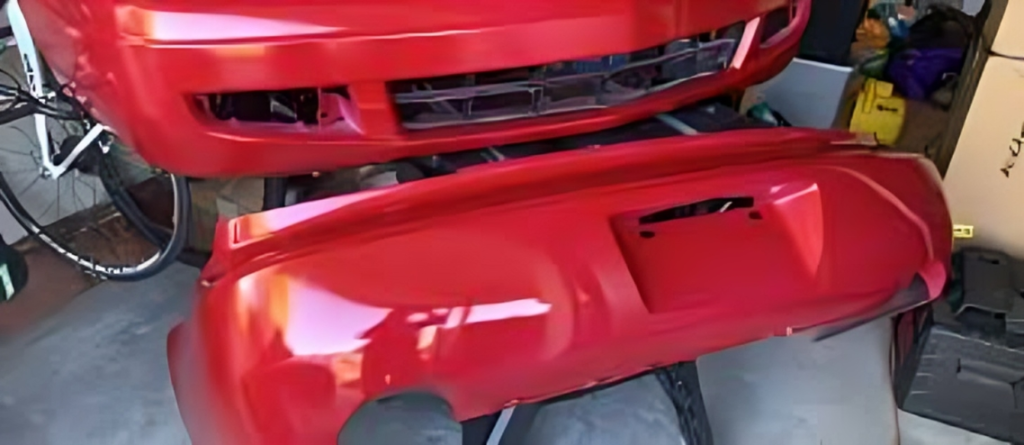
If you’ve ever backed into a pole, tapped another car in a parking lot, or dealt with a minor fender-bender, your first question is probably the same as everyone else’s: how much will it cost to fix a bumper?
The honest answer? It depends. Bumper repair costs in 2025 range from as little as $50 for a DIY touch-up to over $1,500 for a full rear bumper replacement at a dealership. That’s a wide range — and knowing what drives the cost up or down can save you a serious amount of money.
This guide breaks down everything: repair vs. replacement, material types, labor fees, real-world price examples, and where to find affordable parts. Let’s get into it.
What Affects How Much It Will Cost to Fix a Bumper?
Before you get a quote, it helps to understand what shops are actually charging you for. Several factors push the price in either direction.
1. Severity of the Damage
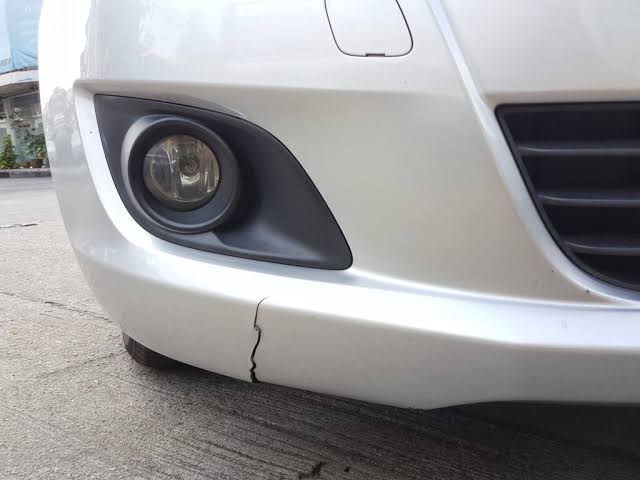
Minor scuffs, scratches, and small dents cost less to fix than cracks, deep gouges, or structural damage. A light scratch might only need sanding and paint touch-up. A cracked bumper that’s broken at the mounting points usually requires a full replacement.
- Scratch or scuff: $50–$300
- Small dent (no cracks): $150–$400
- Crack or broken tabs: $300–$700
- Full replacement (parts + labor): $500–$1,500+
2. Front vs. Rear Bumper
Front bumpers tend to cost more because they often house sensors, radar systems, parking cameras, and grilles. Rear bumpers are typically simpler in design, though modern vehicles are changing that.
- Front bumper repair: $200–$1,200
- Rear bumper repair: $150–$1,000
3. Vehicle Make and Model
A bumper for a 2015 Honda Civic costs much less than one for a 2023 Mercedes-Benz GLE. Luxury and European vehicles use more expensive OEM parts, and labor rates at dealerships are significantly higher.
- Economy car bumper (Toyota, Honda, Hyundai): $100–$400 for parts
- Mid-range vehicles (Ford, Chevy, Nissan): $150–$500 for parts
- Luxury or performance vehicles (BMW, Mercedes, Porsche): $400–$1,200+ for parts
4. OEM vs. Aftermarket vs. Used Parts
OEM (Original Equipment Manufacturer) parts are made by your car’s manufacturer. They fit perfectly but cost the most.
Aftermarket parts are made by third-party companies. They’re more affordable and quality varies by brand.
Used/salvage parts are pulled from wrecked vehicles. They’re the cheapest option but may have hidden wear or fit issues.
5. Paint Matching
Even if the repair itself is cheap, paint matching adds cost. Shops use a color code to blend your car’s exact shade. If the bumper needs full repainting, expect to add $200–$600 to your bill.
6. Labor Rates
Body shop labor typically runs $50–$150 per hour depending on your location. Dealerships charge on the higher end. Independent shops and franchise chains (like Maaco or Caliber Collision) are usually more affordable.
How Much Does It Cost to Fix a Bumper at a Body Shop?
If you take your car to a professional body shop, here’s a realistic cost breakdown based on common scenarios.
1: Minor Scratch on a Rear Bumper
- Damage: Surface scratch, no cracking
- Repair method: Sanding, filler, repaint
- Cost: $150–$350
- Time: Half a day to one full day
2: Cracked Front Bumper on a Midsize Sedan
- Damage: Cracked on the right corner from a parking lot collision
- Repair method: Plastic welding or replacement
- Cost: $400–$750
- Time: 1–2 days
3: Full Rear Bumper Replacement on an SUV
- Damage: Impact caused structural damage, tabs broken
- Repair method: New bumper cover, sensors reinstalled, full repaint
- Cost: $800–$1,400
- Time: 2–3 days
4: Front Bumper with Parking Sensors
- Damage: Cracked bumper housing, one sensor damaged
- Repair method: New bumper + sensor replacement + calibration
- Cost: $1,000–$1,800
- Time: 2–4 days
DIY Bumper Repair: Is It Worth It?
For minor damage, a DIY repair can save you hundreds of dollars. Here’s what’s realistic to fix yourself and what isn’t.
What You Can DIY
- Small scratches: Use a scratch repair kit ($20–$50) with sandpaper, compound, and touch-up paint
- Scuffs: A heat gun and plastic bumper repair kit ($30–$80) can reshape minor deformations
- Hairline cracks: Plastic bumper repair kits with adhesive and fiberglass mesh work for small cracks
What You Probably Shouldn’t DIY
- Deep structural cracks or breaks
- Bumpers with integrated sensors or cameras
- Paint color matching (unless you’re experienced)
- Damage that affects how the bumper mounts to the car
A basic DIY kit runs $20–$100. Your time investment is 2–5 hours. Results vary based on skill level, but for minor cosmetic issues, it’s a reasonable option.
Bumper Repair vs. Bumper Replacement: Which One Do You Need?
This is one of the most important decisions, and body shops will give you their recommendation — but it helps to know the difference yourself.
Repair makes sense when:
- The damage is purely cosmetic (scratches, scuffs)
- The bumper structure is intact
- No mounting points are broken
- No sensors are damaged
Replacement makes sense when:
- The bumper is cracked through or shattered
- Mounting tabs are snapped
- The damage is so extensive that repair costs more than a new bumper
- Safety components like sensors or radar are involved
A good rule of thumb: if repair costs more than 70% of a replacement, go with the replacement.
Bumper Materials and How They Affect Cost
Not all bumpers are made the same way. The material your bumper is made from affects both the repair method and the price.
Thermoplastic Olefin (TPO) – Most Common
Most modern vehicles use TPO bumpers. They’re flexible, lightweight, and relatively easy to repair. Plastic welding and adhesive kits work well on TPO.
Fiberglass
Found on older vehicles and some performance cars. Fiberglass is brittle and cracks more easily, but it can be repaired with fiberglass filler. More labor-intensive than TPO.
Carbon Fiber
Used on high-end sports cars. Carbon fiber bumpers are expensive ($500–$3,000+ just for parts) and require specialized repair or replacement.
Steel (Older Vehicles)
Steel bumpers are found on classic cars and some trucks. They dent rather than crack. Dent repair (PDR) works well, and repainting is the main cost.
Where to Buy Bumper Parts and Save Money
Where you buy the replacement part matters just as much as where you get it installed.
Dealerships
Highest-quality OEM parts, but expect to pay a premium. Good choice if your car is under warranty or you want an exact fit.
Auto Parts Stores
Stores like AutoZone and O’Reilly carry aftermarket bumpers and repair kits. Prices are mid-range and availability varies by make/model.
Online Retailers
Sites like RockAuto, Amazon, and eBay often have the lowest prices on aftermarket and OEM-equivalent parts. Read reviews and check return policies before buying.
Specialty Auto Parts Dealers
For specific makes like Mitsubishi, shopping at a dedicated parts store ensures you’re getting parts that match your vehicle’s specs. When dealing with bumper damage, many owners first ask, how much will it cost to fix a bumper, before deciding whether to repair or replace the part.
Mitsubishi Auto Store is a reliable source for genuine and compatible Mitsubishi bumper parts, covers, and body components. Understanding how much will it cost to fix a bumper can help you determine whether purchasing replacement parts is the more cost-effective option.
If you own a Mitsubishi Outlander, Eclipse Cross, or Mirage, knowing how much will it cost to fix a bumper can make it easier to compare repair estimates with replacement costs. Access to genuine parts also helps ensure the right fit without dealership markups.
Many Mitsubishi owners researching how much will it cost to fix a bumper find that quality aftermarket or OEM-compatible parts can significantly reduce overall expenses. Before making a final decision, it’s always worth evaluating how much will it cost to fix a bumper based on the extent of the damage and the parts required.
Salvage Yards
If budget is your priority, a used bumper from a salvage yard can cost 50–70% less than a new part. Just inspect it carefully before buying.
Does Car Insurance Cover Bumper Repair?
It depends on your policy and how the damage happened.
Collision coverage pays for bumper damage caused by an accident — after you pay your deductible. If your deductible is $500 and the repair costs $600, it’s often not worth filing a claim.
Comprehensive coverage covers non-collision incidents like vandalism or falling objects.
Liability-only policies do NOT cover damage to your own car.
When to use insurance vs. pay out of pocket:
- If repair cost > deductible by a meaningful margin: use insurance
- If repair cost ≤ deductible: pay out of pocket to avoid a rate increase
- For small cosmetic damage: almost always pay yourself
Real-World Cost Examples from Different Vehicles
Here are some real estimates based on common vehicles to give you a benchmark:
| Vehicle | Damage Type | Estimated Cost |
|---|---|---|
| 2019 Toyota Camry | Rear bumper scratch | $175–$300 |
| 2020 Honda CR-V | Front bumper crack | $450–$750 |
| 2021 Mitsubishi Outlander | Rear bumper replacement | $550–$900 |
| 2018 Ford F-150 | Front bumper dent | $300–$600 |
| 2022 BMW 3 Series | Front bumper + sensor | $1,200–$1,900 |
| 2016 Chevrolet Malibu | Minor scuff, full repaint | $200–$400 |
Tips to Lower Your Bumper Repair Cost
You don’t always have to pay the first price you’re quoted. Here are practical ways to reduce your bill:
- Get at least 3 quotes. Prices can vary by $200–$500 for the same job.
- Supply your own part. Buy the bumper online and ask the shop to install it. Not all shops allow this, but many will.
- Choose repair over replacement when structurally appropriate.
- Use an independent body shop instead of a dealership for basic repairs.
- Ask about used or aftermarket parts if OEM isn’t necessary.
- Fix cosmetic damage yourself if it’s minor and you have the patience.
How much will it cost to fix a bumper with just a scratch?
A surface scratch without structural damage usually costs $50–$300 to fix, depending on the size and whether repainting is needed. Small scratches can often be addressed with a DIY scratch repair kit for under $50.
Is it cheaper to repair or replace a bumper?
Repair is almost always cheaper for minor damage. Replacement becomes more cost-effective when the bumper is cracked through, mounting points are broken, or repair labor exceeds the cost of a new bumper cover.
How long does bumper repair take?
Minor repairs take a few hours to one day. Replacements with paint matching usually take 1–3 days. Repairs involving sensors or cameras may take longer due to calibration time.
Can I drive with a damaged bumper?
For cosmetic damage such as scratches and small dents, driving is generally safe in the short term. However, many drivers wonder how much will it cost to fix a bumper before deciding whether to repair minor damage immediately or wait.
A bumper that’s cracked, hanging off, or damaged around sensors should be repaired promptly. Understanding how much will it cost to fix a bumper can help you make a timely decision and avoid further damage or safety issues.
A loose bumper can become a road hazard and may fail safety inspections. Before continuing to drive with significant damage, it’s worth considering how much will it cost to fix a bumper to ensure your vehicle remains safe and roadworthy.
Will a bumper repair show up on a CarFax report?
Minor cosmetic repairs done without an insurance claim typically don’t appear on CARFAX. However, many vehicle owners ask how much will it cost to fix a bumper before deciding whether to pay out of pocket or file an insurance claim.
If you’re wondering how much will it cost to fix a bumper, the answer can influence whether the repair is reported through insurance or handled privately. Repairs filed through insurance or reported as accidents are more likely to appear on the vehicle history report.
Understanding how much will it cost to fix a bumper can help you determine the most cost-effective approach for minor damage. In many cases, small cosmetic repairs are affordable enough to avoid an insurance claim altogether.
Before making a decision, it’s worth considering how much will it cost to fix a bumper compared to your insurance deductible and potential premium increases. Knowing how much will it cost to fix a bumper can help you protect both your finances and your vehicle’s history record.
Does a bumper repair affect my car’s resale value?
A properly done repair by a professional shop usually has minimal impact on resale value. A visible or poorly done repair can reduce it. Always keep receipts from any body work — it shows buyers the car was properly maintained.
Conclusion
To bring it all together, how much will it cost to fix a bumper depends on the extent of damage, your vehicle type, whether you need repair or replacement, and where you get the work done.
When asking how much will it cost to fix a bumper, it’s important to consider the severity of the damage and the type of bumper involved. For minor scratches and scuffs, how much will it cost to fix a bumper typically ranges from $50 to $300.
For moderate damage requiring professional body shop repairs, how much will it cost to fix a bumper generally falls between $300 and $800. If the damage is extensive and replacement is necessary, how much will it cost to fix a bumper can increase substantially.
For full replacements on modern vehicles—especially those equipped with sensors, cameras, and advanced driver assistance systems—how much will it cost to fix a bumper can reach $1,000 to $1,800 or more. Understanding how much will it cost to fix a bumper in advance can help you budget appropriately and choose the most cost-effective repair option for your vehicle.
The smartest move is to assess the damage honestly, get multiple quotes, and weigh DIY options for anything cosmetic. If you’re sourcing replacement parts for a Mitsubishi vehicle, check Mitsubishi Auto Store for competitively priced OEM and compatible parts before heading to a dealer.