How to Check Car Rim Size: A Complete Guide for Every Car Owner
Knowing how to check car rim size is one of those simple skills that can save you real money and a lot of frustration. Whether you’re replacing a damaged rim, upgrading to alloy wheels, or just shopping for new tires, getting the size right is the first and most important step. Buy the wrong size and the wheels won’t fit, the tires won’t seat properly, and your car could become unsafe to drive.
The good news? You don’t need to be a mechanic to figure it out. With a tape measure, a few minutes, and this guide, you can check your car rim size right in your driveway. This article walks you through everything — how to read the numbers, the difference between steel and alloy wheels, what affects wheel rim price, and where to find the best deals on car rim replacement.
Why Rim Size Matters More Than Most People Think
Most drivers only think about rims when something goes wrong — a pothole bends one, or they want a fresh look for their car. But rim size affects more than just appearance. It directly impacts:
- Tire fitment — the wrong rim size means tires won’t mount correctly
- Speedometer accuracy — an incorrect overall wheel diameter throws off your speed readings
- Braking performance — brake calipers need clearance from the rim’s inner barrel
- Fuel efficiency — heavier or larger rims increase rolling resistance
- Ride comfort — rim width determines how much sidewall your tire has for cushioning
How to Check Car Rim Size: 4 Easy Methods
1. Read the Tire Sidewall
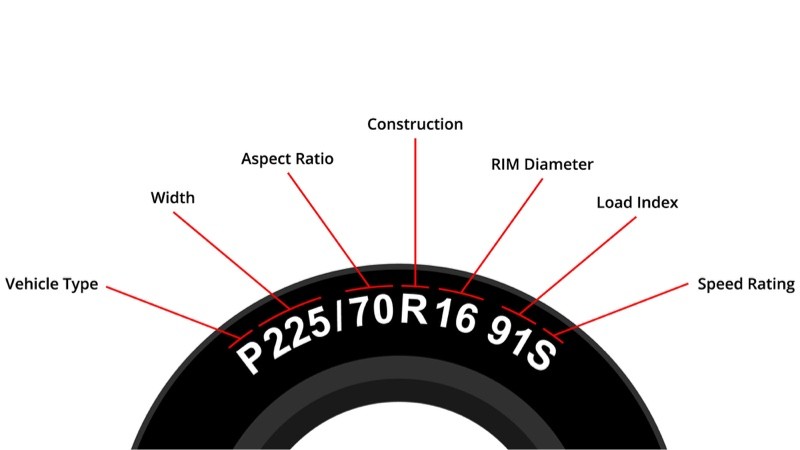
This is the fastest method and works on any car. Look at the sidewall of your existing tire — you’ll see a string of numbers and letters like this:
225/55R17
Here’s what each part means:
- 225 — tire width in millimeters
- 55 — aspect ratio (sidewall height as a percentage of width)
- R — radial construction
- 17 — this is your rim diameter in inches
2. Look at the Rim Itself
Most rims have the size stamped directly on the back of the wheel or along the inner barrel. You may need to crouch down and look inside the wheel arch with a flashlight. You’ll typically see something like:
7J x 17 ET40
Breaking this down:
- 7 — rim width in inches
- J — the flange shape (standard for most passenger cars)
- 17 — rim diameter in inches
- ET40 — offset (how far the rim sits from the hub center), measured in millimeters
3. Check Your Owner’s Manual
Every car’s owner manual includes factory wheel and tire specifications. This is the most reliable reference because it gives you the manufacturer-recommended sizes, not just what’s currently on the car (which may have been changed by a previous owner).
Open the manual and look under “Wheels,” “Tires,” or “Specifications.” You’ll find the OEM (original equipment manufacturer) rim size clearly listed.
4. Use the Door Jamb Sticker
Open your driver’s side door and look at the sticker on the door jamb or the B-pillar. Most modern vehicles have a placard that lists the recommended tire size and sometimes the wheel size. This is a quick, no-tools-needed option that works even if your tires have already been replaced with non-standard sizes.
Understanding Rim Measurements: A Quick Reference
Once you have the numbers, it helps to understand what they mean in practical terms.
| Measurement | What It Means | Common Range |
|---|---|---|
| Diameter | Height of the rim from bead to bead | 14″ – 22″ |
| Width | Inner width from lip to lip | 5.5″ – 10″ |
| Bolt Pattern | Number of lug holes and spacing | 4×100, 5×114.3, etc. |
| Offset (ET) | Hub-to-center distance in mm | ET20 – ET55 for most cars |
| Center Bore | Hole in the center of the wheel | 56mm – 73mm |
Steel Rims vs Alloy Wheels: Which One Is Right for You?
This is one of the most common questions when shopping for car rim replacement. Both have real advantages, and the right choice depends on your priorities and budget.
Steel Rims
Steel wheels are the standard option on most base-model vehicles. They’re pressed from heavy-gauge steel and finished with a hubcap.
Pros:
- Much cheaper — typically $40–$100 per rim
- Extremely durable and resistant to cracking
- Easy to repair after minor bends
- Ideal for winter driving (salt and road grime won’t damage them as badly)
Cons:
- Heavy, which hurts fuel economy and performance
- No visual appeal without a hubcap
- Can rust over time if the coating chips
Alloy Wheels
Alloy wheels are made from aluminum or magnesium alloys. They’re the upgrade option and are standard on most mid-range and premium vehicles today.
Pros:
- Significantly lighter — improves handling, acceleration, and fuel economy
- Visually appealing in a wide range of finishes and designs
- Better heat dissipation (good for braking performance)
- Resistant to rust
Cons:
- Higher alloy wheels cost — typically $100–$500+ per rim
- More prone to cracking on severe impacts
- Harder to repair when bent; often need replacement
How Much Do Car Rims Cost? Real Price Examples
Wheel rim price varies widely depending on size, material, brand, and vehicle type. Here’s a realistic breakdown based on current market pricing.
Steel Rim Prices
| Vehicle Type | Rim Size | Average Price Per Rim |
|---|---|---|
| Economy sedan (e.g., Toyota Yaris) | 15″ | $45 – $75 |
| Mid-size sedan (e.g., Honda Civic) | 16″ | $60 – $90 |
| SUV / Crossover | 17″ | $80 – $120 |
| Pickup Truck | 17″ – 18″ | $90 – $140 |
Alloy Wheel Prices
| Vehicle Type | Rim Size | Average Price Per Rim |
|---|---|---|
| Economy sedan | 15″ – 16″ | $100 – $200 |
| Mid-size sedan | 17″ | $150 – $300 |
| SUV / Crossover | 18″ – 19″ | $200 – $450 |
| Luxury or sports car | 19″ – 22″ | $350 – $900+ |
Set of 4 Rims: What to Expect
Most drivers replace all four rims at once. Realistically:
- Budget steel set (16″): $200 – $400
- Mid-range alloy set (17″): $500 – $900
- Premium alloy set (18″–19″): $1,000 – $2,500+
What Factors Affect Wheel Rim Price?
Understanding what drives alloy wheels cost and overall pricing helps you shop smarter.
1. Material
Aluminum alloy rims cost more than steel but less than forged magnesium wheels. Forged alloy wheels (made under high pressure) are the most expensive because they’re lighter and stronger than cast alloys.
2. Rim Size
Larger diameter rims always cost more. Going from a 17″ to a 20″ rim can nearly double the price of the same design.
3. Brand
OEM (original equipment) rims from manufacturers like Mitsubishi, Toyota, or Honda carry a premium. Aftermarket brands vary — some are budget-friendly and decent quality, while premium aftermarket brands (BBS, Enkei, OZ Racing) can cost as much or more than OEM.
4. Finish
Standard silver machined alloy is the cheapest finish. Gloss black, bronze, gunmetal, and two-tone finishes all add to the price. Powder-coated custom colors add even more.
5. New vs Refurbished
Used OEM rims from a salvage yard can be a great deal — often 50–70% cheaper than new. Refurbished rims are professionally cleaned, straightened, and refinished. They’re a solid middle-ground option.
6. Vehicle Make and Model
Rims for rare, imported, or luxury vehicles cost more because supply is limited. Standard sizes for common vehicles (Honda Civic, Toyota Corolla, Mitsubishi Lancer) tend to be more affordable and widely available.
Where to Buy Car Rims: Your Best Options
1. Dealership Parts Department
Going directly to the manufacturer’s dealership ensures you get the exact OEM fitment. It’s the most reliable option for newer vehicles still under warranty. Prices are higher, but fitment is guaranteed.
2. Specialty Auto Parts Stores
Stores like AutoZone, O’Reilly, or local wheel shops carry a wide selection of aftermarket rims. Staff can usually cross-reference your vehicle to confirm fitment.
3. Online Retailers
Websites like TireRack, Discount Tire, and brand-specific stores often have the best prices. If you own a Mitsubishi, for example, Mitsubishi Auto Store is a trusted source for genuine OEM Mitsubishi parts and accessories, including wheels and related components. Buying from a brand-specific store means you’re getting parts engineered specifically for your vehicle — no guesswork on fitment.
4. Salvage Yards and Used Markets
Sites like eBay, Craigslist, Facebook Marketplace, and local junkyards are worth checking for used OEM rims. Inspect photos carefully and confirm the bolt pattern, offset, and center bore before buying. A good deal on a used rim can save you hundreds.
5. Discount Tire and Warehouse Clubs
Big box wheel shops often run seasonal promotions and bundle deals. Buying a set of four with installation included is often cheaper than sourcing rims and installation separately.
Tips to Avoid Common Rim-Buying Mistakes
Here are the mistakes most first-time rim buyers make — and how to avoid them.
Don’t buy by diameter alone. Width, offset, and bolt pattern matter just as much. A rim with the right diameter but wrong offset can rub against the brake caliper or fender liner.
Measure your center bore. Many people skip this. If the center bore is too small, the rim simply won’t go on. If it’s slightly too large, you’ll need hub centric rings to prevent vibration at speed.
Don’t assume same-brand means same fitment. Even within one manufacturer’s lineup, rim specs change between model years and trim levels. Always verify against your specific year, model, and trim.
Buy from reputable sources. Cheap rims from unknown overseas sellers sometimes fail quality standards. Look for rims with JWL, VIA, or TÜV certifications — these indicate the wheels have been tested for load and impact safety.
FAQs
1. Can I use a different size rim than what came on my car?
Yes, within limits. You can go up or down in rim diameter (called “plus sizing” or “minus sizing”), but you need to adjust tire profile to keep the overall wheel diameter the same. Going too large can cause clearance issues with brakes and fenders.
2. How do I know if a rim will fit my car without measuring?
The safest way is to use an online fitment guide — most tire and rim retailers offer tools where you enter your year, make, and model to see compatible options. But always double-check offset and center bore even when the tool says it fits.
3. Is it safe to drive on a cracked or bent rim?
No. A cracked rim can fail suddenly, especially at highway speeds. A bent rim causes vibration and uneven tire wear. Replace damaged rims as soon as possible.
4. How much does rim replacement cost at a shop?
For a single rim replacement (rim + labor + tire remount and balance), expect to pay $150–$500 depending on vehicle type and rim material. A full set of four can run $600–$2,500+ for quality alloy wheels installed.
5. What’s the difference between OEM and aftermarket rims?
OEM rims are made by or for the original vehicle manufacturer and are guaranteed to fit your car perfectly. Aftermarket rims are made by third parties — they offer more design variety and sometimes lower prices, but you need to confirm fitment carefully.
6. Can I mix steel and alloy wheels on the same car?
Technically yes, but it’s not recommended. Mixing rim materials can cause handling imbalances because steel and alloy wheels have different weights. Stick to a matching set of four for the best performance and safety.
Conclusion
Learning how to check car rim size takes less than five minutes and can save you a lot of trouble and money. Start with the sidewall of your current tire, cross-reference with your owner’s manual, and confirm the bolt pattern and offset before buying anything. Whether you’re going with budget-friendly steel rims or investing in premium alloy wheels, getting the measurements right is what makes everything else work.
When it comes to wheel rim price, the range is wide — from $45 for a basic steel rim to $900+ for a premium alloy on a luxury vehicle. Know your priorities: durability and savings point toward steel, while performance and style point toward alloy.
And when you’re ready to buy, shop from trusted sources. For Mitsubishi owners, Mitsubishi Auto Store offers genuine parts designed to fit your vehicle exactly as the manufacturer intended — no compatibility guesswork, no fitment surprises.