How Long Do Brakes Last on a Car? 7 Real Factors That Affect Brake Life
Brakes are one of the most important safety components on any vehicle. Whether you drive daily to work, take long road trips, or simply use your car for errands, your braking system works every time you slow down or stop.
A common question many drivers ask is: how long do brakes last on a car?
The answer is not always straightforward. Some brake pads can last as little as 20,000 miles, while others may continue performing well beyond 70,000 miles. Driving habits, road conditions, vehicle weight, and maintenance all play major roles in determining brake lifespan.
In this guide, we’ll explain how long brakes typically last, what affects their longevity, warning signs of worn brakes, and practical tips to help extend brake life and save money on future repairs.
Understanding Your Car’s Brake System
Before discussing lifespan, it helps to understand the basic components involved.
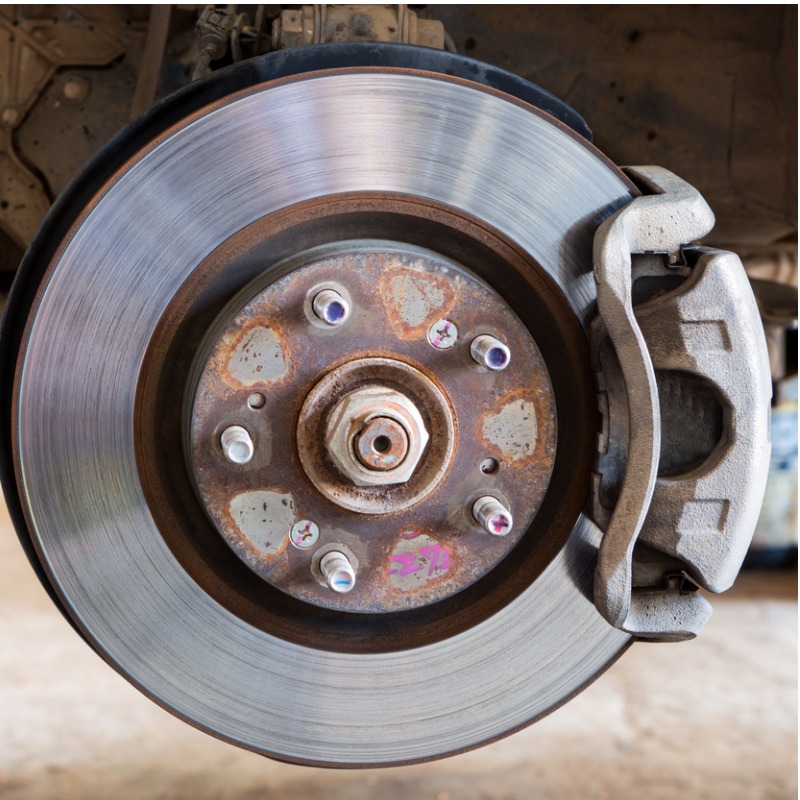
A vehicle’s braking system typically includes:
- Brake pads
- Brake rotors
- Brake calipers
- Brake fluid
- Brake lines
- Master cylinder
When you press the brake pedal, hydraulic pressure forces the brake pads against the rotors, creating friction that slows the vehicle.
Because brake pads and rotors experience constant friction, they naturally wear down over time.
How Long Do Brakes Last on a Car?
Most brake pads last between 30,000 and 70,000 miles.
However, actual lifespan varies depending on several factors.
General estimates include:
| Component | Typical Lifespan |
|---|---|
| Brake Pads | 30,000–70,000 miles |
| Brake Rotors | 50,000–80,000 miles |
| Brake Fluid | 2–3 years |
| Brake Calipers | 75,000+ miles |
Some drivers may need brake pad replacement much sooner, while others may exceed these estimates significantly.
1. Driving Habits Matter Most
Your driving style has a huge impact on brake wear.
Aggressive driving habits such as:
- Hard braking
- Sudden stops
- Tailgating
- Frequent stop-and-go traffic
cause brake pads to wear much faster.
Drivers who anticipate traffic and brake gradually often enjoy significantly longer brake life.
For example:
A commuter driving in heavy city traffic may replace pads every 25,000–35,000 miles.
Meanwhile, a highway driver may get 60,000–80,000 miles from the same set of brake pads.
2. City Driving vs Highway Driving
Where you drive affects brake longevity.
City Driving
City roads require:
- Frequent stopping
- Traffic lights
- Congestion
- Pedestrian crossings
This constant braking accelerates wear.
Highway Driving
Highway travel generally requires fewer braking events.
Since brakes are used less frequently, components often last much longer.
This explains why two identical vehicles can experience dramatically different brake lifespans.
3. Vehicle Weight Influences Brake Wear
Heavier vehicles place greater demands on brakes.
Examples include:
- SUVs
- Pickup trucks
- Family vans
Additional passengers, cargo, or towing can increase brake stress even further.
More weight means:
- More stopping force required
- More friction generated
- Faster brake pad wear
Drivers who frequently tow trailers should inspect brakes more often.
4. Brake Pad Material Makes a Difference
Not all brake pads are created equal.
Organic Brake Pads
Advantages:
- Affordable
- Quiet operation
Disadvantages:
- Faster wear
Semi-Metallic Brake Pads
Advantages:
- Durable
- Better heat resistance
Disadvantages:
- Can be noisier
Ceramic Brake Pads
Advantages:
- Long lifespan
- Quiet performance
- Reduced brake dust
Disadvantages:
- Higher initial cost
Ceramic brake pads often provide the best balance of durability and performance for many drivers.
5. Road Conditions Affect Brake Life
The environment where you drive also impacts brake wear.
Brakes wear faster when driving on:
- Mountain roads
- Hilly terrain
- Rough roads
- Wet conditions
- Dusty environments
Descending steep hills requires frequent braking, creating extra heat that accelerates wear.
Heat is one of the biggest enemies of brake components.
6. Weather Conditions Can Reduce Lifespan
Extreme weather can contribute to brake deterioration.
Factors include:
- Heavy rain
- Snow
- Road salt
- High humidity
Road salt, in particular, can accelerate corrosion of brake components.
Drivers in colder climates should schedule regular brake inspections to catch rust-related issues early.
Signs Your Brakes Need Replacement
Even if you don’t know the exact mileage on your brakes, your vehicle often provides warning signs.
Squealing or Screeching Noises
Many brake pads include wear indicators.
These indicators create a squealing sound when the pads become too thin.
Grinding Sounds
Grinding often means the brake pad material has worn away completely.
Metal-to-metal contact can damage rotors and significantly increase repair costs.
Vibrations While Braking
A vibrating brake pedal may indicate:
- Warped rotors
- Uneven pad wear
- Brake system issues
Longer Stopping Distances
If your vehicle takes longer to stop than usual, brake inspection should be a priority.
Dashboard Brake Warning Light
Modern vehicles often monitor brake system conditions electronically.
Never ignore warning lights.
How Often Should Brakes Be Inspected?
Most automotive professionals recommend brake inspections:
- Every 10,000 to 15,000 miles
- During tire rotations
- During routine maintenance visits
Regular inspections help identify problems before they become expensive repairs.
How to Make Brakes Last Longer
If you’re wondering how long do brakes last on a car, you’ll be happy to know there are several ways to extend their lifespan.
Drive Smoothly
Avoid aggressive braking whenever possible.
Gradual braking reduces friction and heat.
Maintain Safe Following Distance
More space between vehicles allows smoother stops.
Reduce Excess Weight
Remove unnecessary cargo from your vehicle.
Less weight means less strain on brakes.
Use Engine Braking
When descending hills, downshifting can reduce brake usage.
Schedule Regular Maintenance
Routine inspections help catch issues before they worsen.
Do Front Brakes Wear Faster Than Rear Brakes?
In most vehicles, yes.
During braking, weight transfers toward the front of the vehicle.
As a result:
- Front brake pads usually wear faster.
- Front rotors experience more stress.
- Front brake service is often required more frequently.
This is completely normal.
How Much Does Brake Replacement Cost?
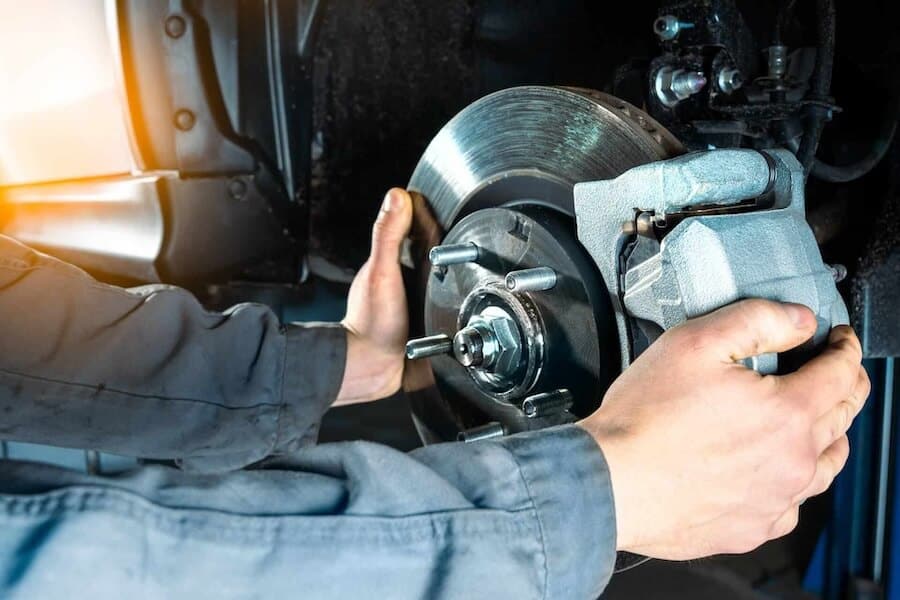
Costs vary depending on vehicle type and parts used.
Average estimates include:
- Brake pad replacement: $150–$400 per axle
- Rotor replacement: $300–$800 per axle
- Complete brake service: $500–$1,200+
Premium vehicles often cost more.
Investing in quality components can provide better durability and long-term value.
Can You Drive with Worn Brakes?
Technically, yes—but how long do brakes last on a car is not recommended.
Worn brakes can result in:
- Reduced stopping power
- Longer stopping distances
- Rotor damage
- Increased accident risk
Ignoring brake problems usually leads to more expensive repairs later.
The Importance of Quality Brake Components
When replacing brakes, quality matters.
Reliable brake components improve:
- Safety
- Performance
- Durability
- Driving confidence
Using trusted automotive parts helps ensure your braking system performs properly under various driving conditions.
Final Thoughts
So, how long do brakes last on a car?
For most drivers, brake pads last between 30,000 and 70,000 miles, while rotors often last 50,000 to 80,000 miles. However, driving habits, vehicle weight, road conditions, and maintenance practices can significantly affect these numbers, which is why how long do brakes last on a car can vary from one vehicle to another.
Understanding how long do brakes last on a car helps drivers plan maintenance schedules and avoid unexpected repair expenses. The best approach is regular inspection and proactive maintenance.
Paying attention to warning signs and replacing worn components before they fail helps maintain safety, improve vehicle performance, and reduce long-term repair costs. Regular servicing is one of the most reliable ways to determine how long do brakes last on a car under your specific driving conditions.
Whether you drive daily in city traffic or spend most of your time on the highway, taking care of your brakes is one of the smartest investments you can make in your vehicle’s safety and reliability. By monitoring brake wear and scheduling inspections, you can better understand how long do brakes last on a car and maximize the lifespan of your braking system.
How Long Do Brakes Last on Different Types of Vehicles?
Brake lifespan can vary significantly depending on the type of vehicle you drive.
Sedans
Most sedans are relatively lightweight compared to larger vehicles. Because they require less stopping force, brake pads often last between 40,000 and 70,000 miles.
SUVs
SUVs are heavier and frequently carry more passengers and cargo. This extra weight places additional stress on the braking system, causing brake pads to wear more quickly. If you are wondering how long do brakes last on a car, SUV owners should expect a shorter brake lifespan compared to smaller vehicles.
Many SUV owners replace brake pads between 30,000 and 60,000 miles. However, how long do brakes last on a car depends heavily on driving conditions, towing habits, and the amount of weight the vehicle carries regularly.
Understanding how long do brakes last on a car can help SUV owners plan maintenance schedules and avoid unexpected brake repairs.
Pickup Trucks
Pickup trucks often haul tools, equipment, or trailers. When regularly carrying heavy loads, brake components experience increased wear. Brake life can vary greatly depending on usage.
Electric Vehicles (EVs)
Many electric vehicles use regenerative braking systems that help slow the vehicle while recovering energy. This technology can significantly reduce brake wear, allowing brake pads to last much longer than those on conventional vehicles.
Common Mistakes That Wear Out Brakes Faster
Many drivers unknowingly shorten the life of their brakes through everyday habits.
Riding the Brakes
Keeping your foot lightly on the brake pedal while driving creates unnecessary friction and heat. Over time, this can dramatically reduce brake pad life.
Late Braking
Waiting until the last moment to stop forces the braking system to work harder. Consistently braking late accelerates pad and rotor wear.
Ignoring Maintenance
Skipping brake inspections can allow minor issues to become major problems. Small repairs are usually far less expensive than replacing damaged brake components.
Driving Aggressively
Rapid acceleration followed by hard braking creates excessive heat and friction. Drivers with aggressive habits typically replace brakes much sooner than those who drive smoothly.
Frequently Asked Questions
Can brakes last 100,000 miles?
Some brake pads may approach 100,000 miles under ideal conditions, especially with mostly highway driving. However, most drivers will need replacement before reaching that milestone.
How do I know if my brake pads are worn out?
Common signs include squealing noises, grinding sounds, reduced braking performance, vibration when stopping, and visible thinning of the brake pad material.
Should I replace rotors every time I replace brake pads?
Not always. Rotors should be inspected during every brake service. If they remain within manufacturer specifications and show minimal wear, they may not require replacement.
How long do ceramic brake pads last?
Ceramic brake pads often last longer than organic pads and may reach 60,000 to 80,000 miles or more depending on driving conditions.
Is it safe to drive with squeaky brakes?
Not necessarily. Squeaking may indicate worn brake pads or other issues. It’s best to have the braking system inspected as soon as possible.
Why Regular Brake Maintenance Matters
Your vehicle’s brakes are its primary safety system. Even a high-performance car cannot protect you if the brakes are worn out or poorly maintained.
Routine brake inspections help identify issues early, improve vehicle safety, reduce repair costs, and provide peace of mind on every journey. If you are wondering how long do brakes last on a car, regular inspections can provide the answer based on your driving habits and brake condition.
Understanding how long do brakes last on a car allows drivers to schedule maintenance before serious issues develop. A small investment in preventive maintenance can prevent expensive repairs and dangerous situations down the road.
Drivers who monitor brake condition regularly often save hundreds of dollars over the life of their vehicle while maintaining optimal stopping performance. Knowing how long do brakes last on a car can also help you budget for future maintenance costs.
Since every vehicle and driving style is different, how long do brakes last on a car may vary significantly from one driver to another. Regular servicing remains the best way to determine how long do brakes last on a car for your specific vehicle.